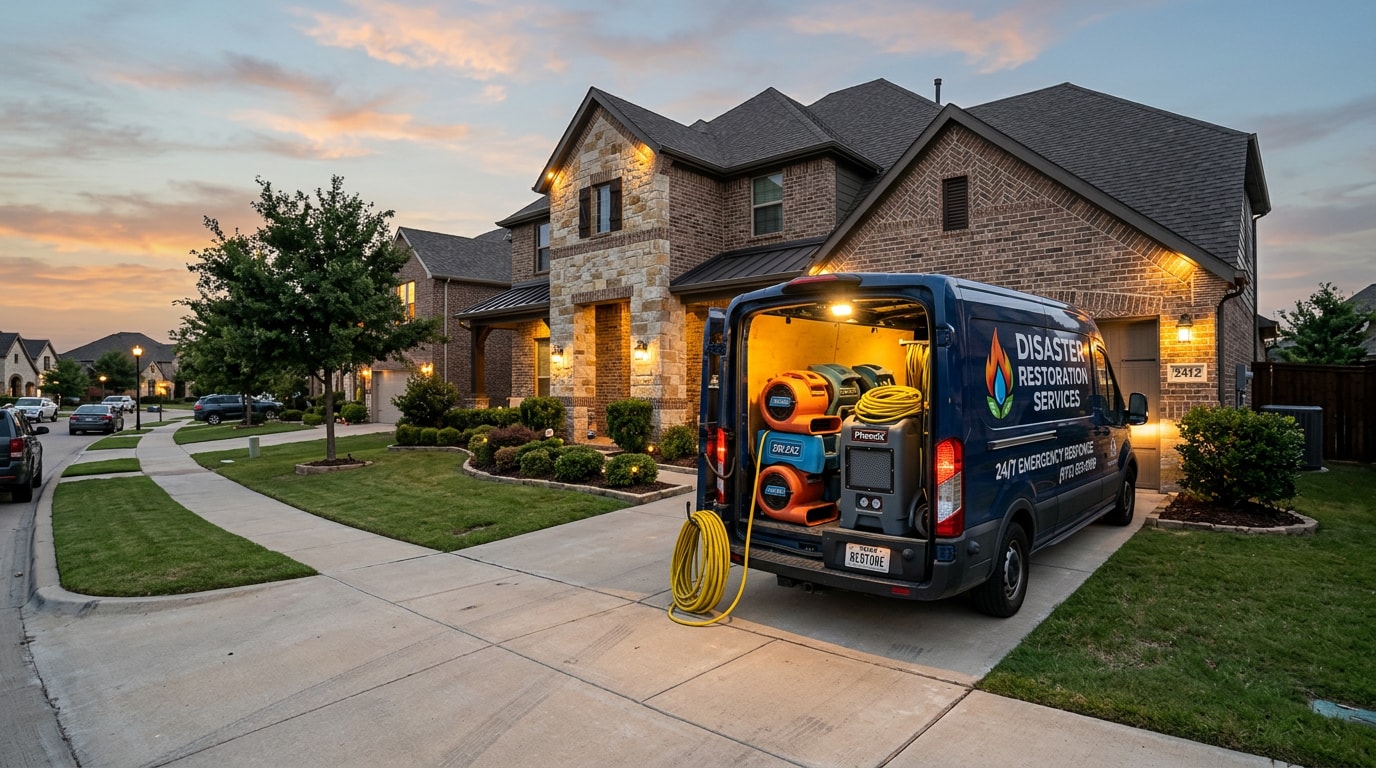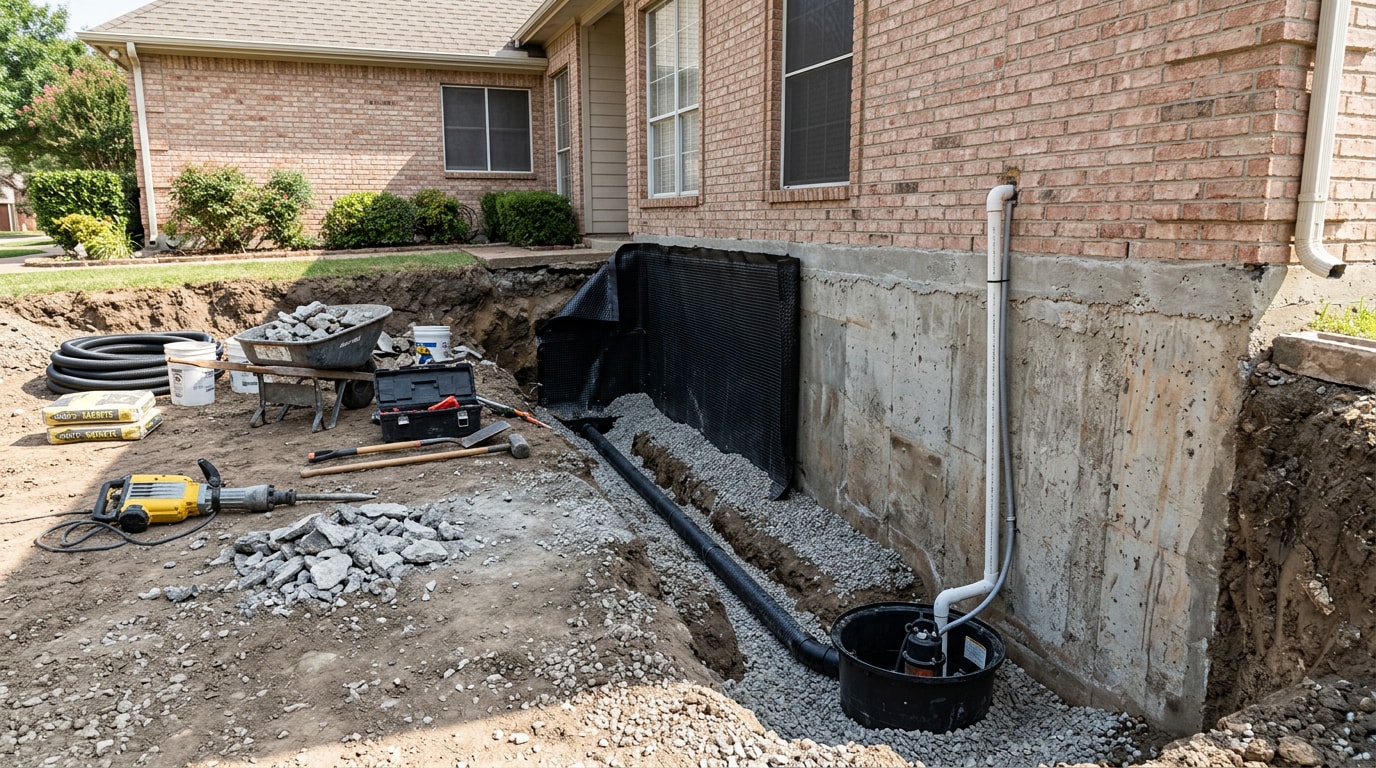
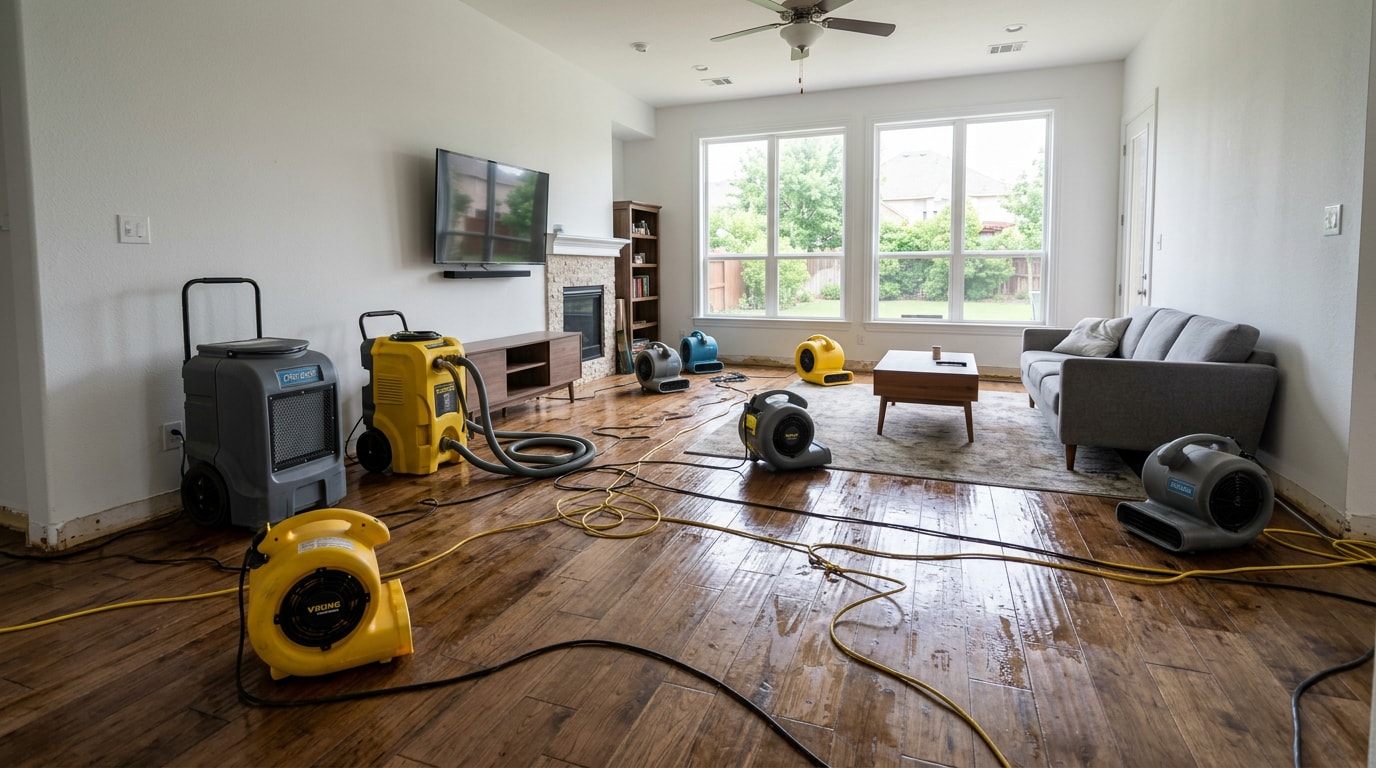
Water remediation in the Dallas Fort Worth Metro, TX area follows a tested, sequenced process, not a mop and a hope that the rest dries on its own. A slab leak can surface on a quiet Tuesday, a pipe can burst during a February freeze, and a summer storm can push water through a roof before anyone's had coffee. This guide breaks down what professional water remediation actually involves, what it tends to cost, how DFW insurance claims typically play out, and how to tell a weekend DIY job from one that needs trained technicians fast.
What Water Remediation Actually Involves
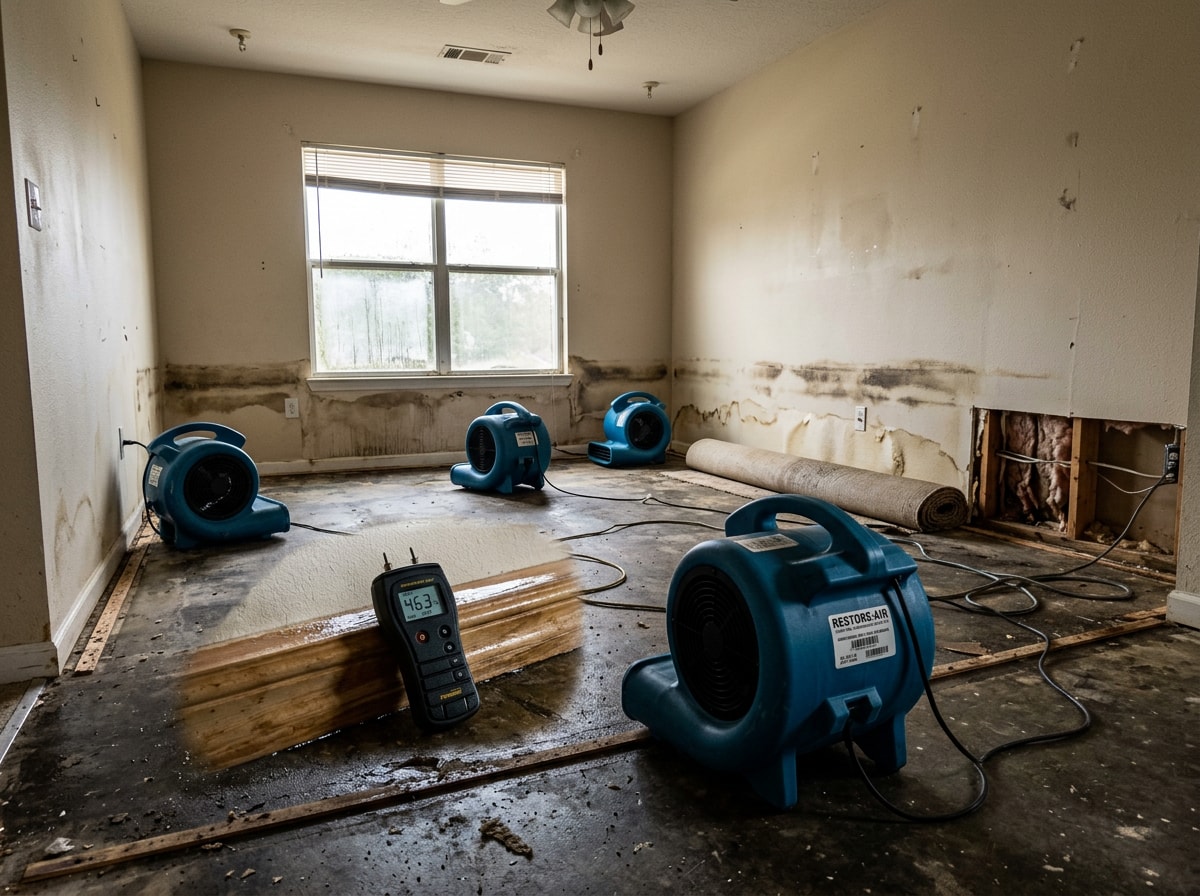
Water remediation is a structured process. It includes inspection and moisture detection, categorizing the water source, extracting standing water, running structural drying and dehumidification equipment, cleaning affected materials, and repairing or replacing what can't be saved.
Skipping a step, especially moisture detection behind walls or under flooring, is how hidden mold and warped materials show up weeks later. In our experience inspecting DFW slab homes after a leak, tile and baseboards often read dry on the surface while the subfloor underneath stays saturated for days. That gap is exactly why the process follows a set sequence instead of a quick visual check.
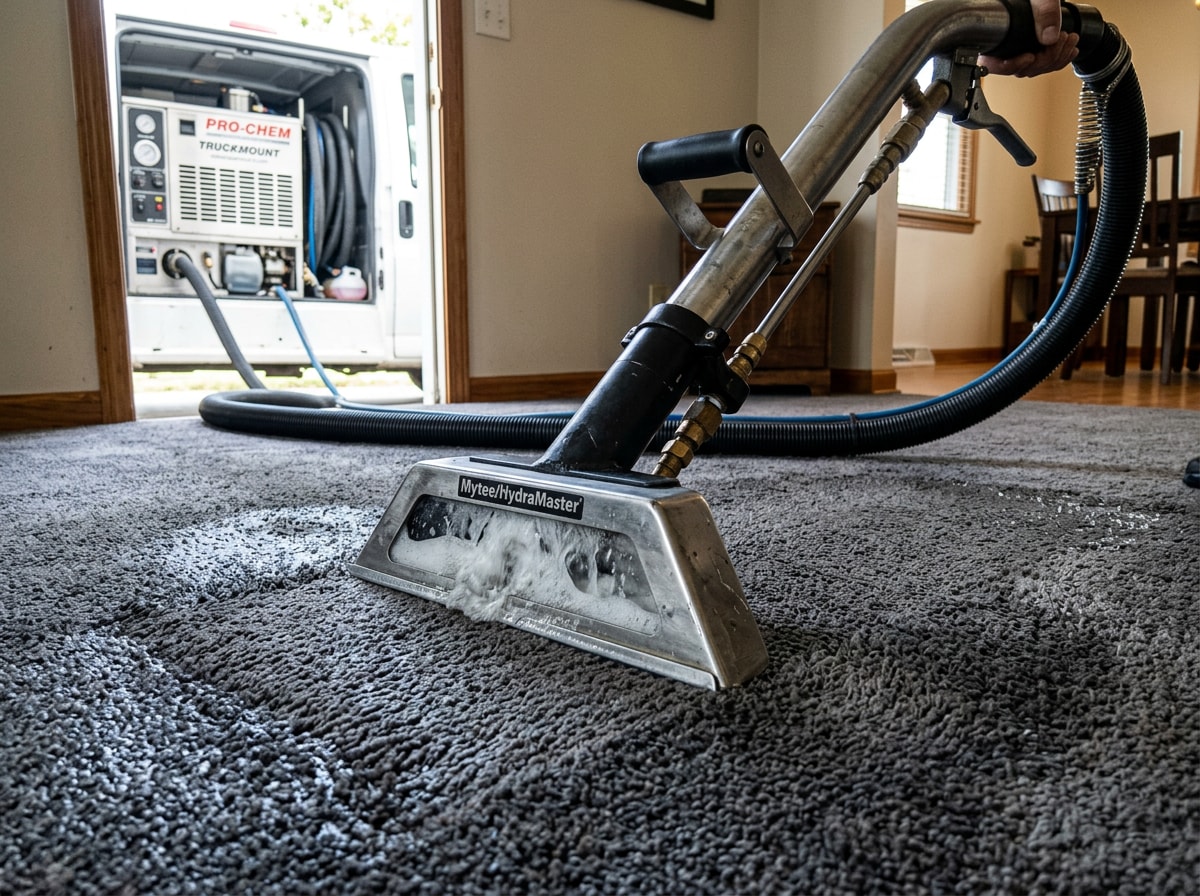
The timeline shifts with the season and the source:
- Summer slab leaks add humidity to a home already fighting outdoor heat, which can slow drying unless dehumidifiers run continuously.
- Winter burst pipes behave differently. Once heat and airflow return indoors, dry winter air can help pull moisture out faster, though thawed materials still need careful handling first.
- Storm intrusion usually brings contaminated water, which changes both the drying approach and what can be saved.
Either way, extraction needs to start within the first few hours. The longer water sits, the further it migrates into subfloors and baseboards, extending both the drying timeline and the cost. Professional crews work to the ANSI/IICRC S500 Standard for Professional Water Damage Restoration, which sets the benchmarks for moisture levels and defines when a job is actually complete, not just when it looks dry.
Water Remediation Services Across the Dallas Fort Worth Metro
Water damage in a DFW home rarely fits one mold. A property owner might need flood recovery after a storm, help with a slab leak, or structural drying for soaked flooring. Our water damage restoration services cover emergency extraction through full structural drying and rebuild, depending on what the situation calls for, and our emergency water removal team is built to respond fast when water is still spreading.
Flood Damage Restoration
Flood damage applies when water enters a home from an outside source rather than a broken pipe. Storm flooding, creek overflow, and lake rise during heavy rain all fall into this category, and the water is usually classified as Category 3, meaning it's contaminated and requires different handling than a clean supply-line break.
This distinction matters beyond safety. Category 3 water often means porous materials like carpet padding and drywall need removal rather than drying and saving, since contaminants can't be fully cleaned out. It also changes how an insurance claim is handled, a point covered further down this page. Our flood damage repair team handles both the extraction and the material decisions that follow.
Residential Water Damage
Most residential water damage calls in the DFW Metro trace back to a handful of causes:
- Burst pipes, from pressure buildup, age, or a hard freeze, can release hundreds of gallons before anyone notices.
- Appliance failure, like a washing machine line, dishwasher hose, or water heater rupture, can flood a kitchen or utility room overnight.
- Roof leaks, especially after North Texas hailstorms compromise shingles or flashing.
Each of these sources is typically considered sudden and accidental, which matters later when filing a claim. The response is the same regardless of source: stop the water, extract what's standing, and start drying before materials absorb more than they can release. A water damage inspection is usually the first step, since it tells the crew exactly how far the water traveled before drying equipment goes in.
Floor Water Damage
Flooring reacts to water differently depending on the material, which affects how fast a crew needs to respond.
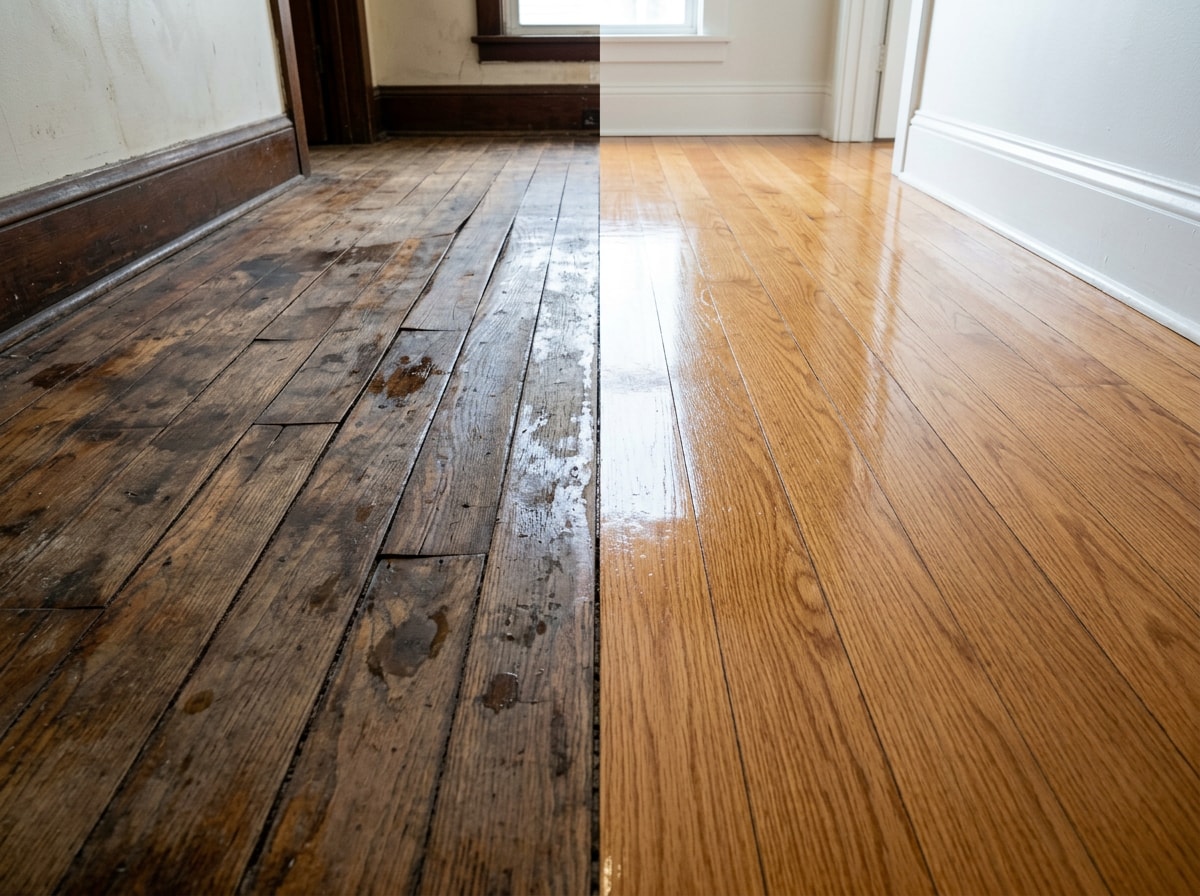
Hardwood can start cupping or warping within 24 to 48 hours of exposure. The longer boards stay wet, the more likely they'll need replacement instead of refinishing. Carpet behaves differently. Padding underneath can hold water long after the surface feels dry, creating a hidden breeding ground for mold if it isn't pulled up and checked. Tile and vinyl hold up better, but water trapped underneath can still damage the subfloor. Extraction timing is the deciding factor almost every time. Floors pulled up and dried within the first day are far more likely to be saved with structural drying services.
What Causes Water Damage in Dallas Fort Worth Homes
North Texas has its own list of water damage triggers, shaped by soil, weather swings, and aging infrastructure in older neighborhoods.
The expansive clay soil common across the Dallas Fort Worth Metro shifts between wet and dry seasons, stressing foundations and contributing to slab leaks in homes built on a concrete slab. Temperature swings add another layer. A warm afternoon can give way to a hard freeze overnight during a North Texas cold front, and that rapid swing stresses pipes that aren't insulated for sustained cold.
Storm season brings a separate risk. The National Weather Service office in Fort Worth notes that large hail, damaging winds, flooding, and tornadoes occur nearly every year in the Dallas/Fort Worth Metroplex , which is part of why so many DFW water claims trace back to storm damage rather than plumbing failures alone.
Older DFW neighborhoods add a final variable: plumbing installed decades ago wasn't built for today's water pressure, and galvanized pipe in particular tends to corrode from the inside out long before a visible leak appears.
Water Categories and What They Mean for Your Home
Not all water damage is handled the same way. The water's source determines what can be dried and saved versus what has to be removed.
| Category | Source Examples | How It's Typically Handled |
|---|---|---|
| Category 1 (clean) | Supply line break, appliance fill line | Extract and dry in place; most materials can be saved |
| Category 2 (gray) | Washing machine overflow, dishwasher discharge | Extract, clean, and dry; some porous materials may need removal |
| Category 3 (contaminated) | Storm flooding, sewage backup, standing water over 48 hours | Remove contaminated porous materials, disinfect, then dry and rebuild |
Water can also shift categories over time. Clean water left standing for more than 48 hours is generally treated as more contaminated, which is another reason fast extraction matters more than people expect.
Typical DFW Water Remediation Costs
Cost depends on square footage affected, water category, and how much needs replacing versus drying in place. These ranges are general guidelines, not a quote; an on-site assessment is the only way to get an exact number for a specific home.
| Loss Size & Category | Typical Cost Range | What's Usually Involved |
|---|---|---|
| Small, contained Category 1, single room | $500 to $2,500 | Extraction, 3 to 5 day drying, little to no material replacement |
| Moderate loss, multiple rooms, Category 1 to 2 | $2,500 to $7,500 | Extraction, drying, partial drywall or flooring replacement |
| Large loss or Category 3 | $8,000 to $25,000+ | Extraction, demolition of contaminated materials, antimicrobial treatment, rebuild |
If you're staring at a wet floor right now and trying to figure out which row applies, request a consultation and a technician can give you a straight answer instead of a guess.
Is This a DIY Fix or a Water Restoration Job?
A water restoration job is needed whenever water has stood for more than a few hours, soaked into flooring or drywall, or spread behind walls or under cabinets, situations a mop and a box fan can't fully resolve.
DIY cleanup works fine for small, contained incidents:
- A spilled glass or minor overflow caught right away
- Water that never touched flooring or baseboards
- A spot that's fully dry within an hour with no lingering odor
The situation changes once water has soaked into carpet, pooled on hardwood, or run behind a wall. Moisture trapped where it can't be seen won't respond to household fans fast enough to prevent warping or mold growth. A good rule of thumb: if water sat more than an hour or touched more than one material, it's worth a professional opinion. If you're not sure which side of that line you're on, reach out to our team for a fast assessment before it becomes a bigger job.
Insurance and Water Damage Claims
Homeowners insurance coverage generally comes down to one question: was the water sudden and accidental, or gradual?
A burst pipe, a water heater that fails overnight, or an appliance hose that gives out are typically considered sudden events, and most standard policies cover the resulting restoration costs minus a deductible. Gradual damage tells a different story. A slow leak behind a wall that went unnoticed for months is often denied, since insurers treat it as a preventable maintenance issue rather than a covered loss.
This is also where flood insurance becomes relevant. Standard homeowners policies almost never cover rising water from storms or regional flooding. That coverage has to come from a separate policy through the National Flood Insurance Program, which FEMA administers directly and through a network of private insurers. If a DFW property sits in or near a flood zone, checking NFIP coverage is worth doing before storm season, not after. Every policy reads differently, so confirming specifics with your insurer is always the safest step.
Mold Risk After Water Damage
Mold doesn't wait around. Federal guidance on flood cleanup notes that after a flood, standing water and wet materials can become a breeding ground for viruses, bacteria and mold , and the EPA recommends drying everything out as quickly as possible to limit growth.
That short window is why fast extraction and structural drying matter so much in Texas humidity. Waiting even a day or two longer than necessary can turn a water damage job into a separate mold remediation job. If you're already seeing discoloration or a musty smell, our mold remediation) team can work alongside the water damage crew instead of starting a second project from scratch.
Cities We Serve Across the DFW Metro
The Dallas Fort Worth Metro covers a lot of ground, and response time matters when water is actively spreading through a home. Coverage includes:
and surrounding suburbs, with crews positioned to reach most of the metro quickly. Because the service area stretches across multiple counties, response times can vary somewhat by location and time of day. For more on how a DFW restoration timeline actually plays out, see our 24/7 water damage response guide for the metro.
Looking for help with an active loss right now? Visit the homepage for emergency contact options, or check our completed projects to see the kind of work a full restoration and rebuild actually looks like.
Frequently Asked Questions
How Much Does Water Remediation Cost?
Cost varies based on square footage affected, water category, and which materials need replacing versus drying and saving. A small room with clean water might run a few hundred to a couple thousand dollars, while a whole-floor loss with contaminated water can run into the tens of thousands. See the cost table above for ranges by scope, and request an on-site assessment for an exact number.
Is Water Damage Covered by Homeowners Insurance?
In most cases, yes, if the damage was sudden and accidental, like a burst pipe or failed appliance. Standard homeowners insurance typically covers it minus your deductible. Gradual damage from a long-term leak is usually excluded, and flooding from storms requires separate flood insurance through the NFIP. Reviewing your specific policy is the only way to confirm exact coverage.
How Long Does Water Remediation Take?
Drying typically takes three to five days for a contained, single-room loss with clean water. Larger losses or Category 3 contaminated water can push the timeline to a week or more. Drying isn't considered complete until materials return to a normal moisture range, not just when they look dry on the surface.
What's the Difference Between Water Mitigation and Water Remediation?
Mitigation is the first response: stopping the water, extracting what's standing, and preventing further damage. Remediation (sometimes called restoration) is the full process, including drying, cleaning, and repairing or rebuilding what was damaged. In practice, most companies handle both as one continuous job.
Can I Stay in My Home During Water Remediation?
Often, yes, for small, contained losses where drying equipment is confined to one or two rooms. Larger losses, Category 3 water, or jobs involving demolition may require staying elsewhere until air quality and structural work are back to normal. A technician can tell you which situation applies during the initial inspection.
What Should I Do Immediately After Water Damage Occurs?
- Shut off the water source if you can safely reach it.
- Cut power to wet areas only if the breaker is accessible without stepping into standing water; never wade through water near powered outlets or appliances.
- Document the damage with photos before moving anything, since adjusters rely on this evidence.
- Avoid using a household vacuum on standing water.
- Call a restoration company promptly before materials absorb more moisture.
When Does Mold Start Growing After Water Damage?
Mold can begin growing within 24 to 48 hours after water damage occurs, especially in Texas humidity. That short window is why fast extraction and structural drying matter so much, since waiting even a day or two longer than necessary can turn a water damage job into a mold remediation job.