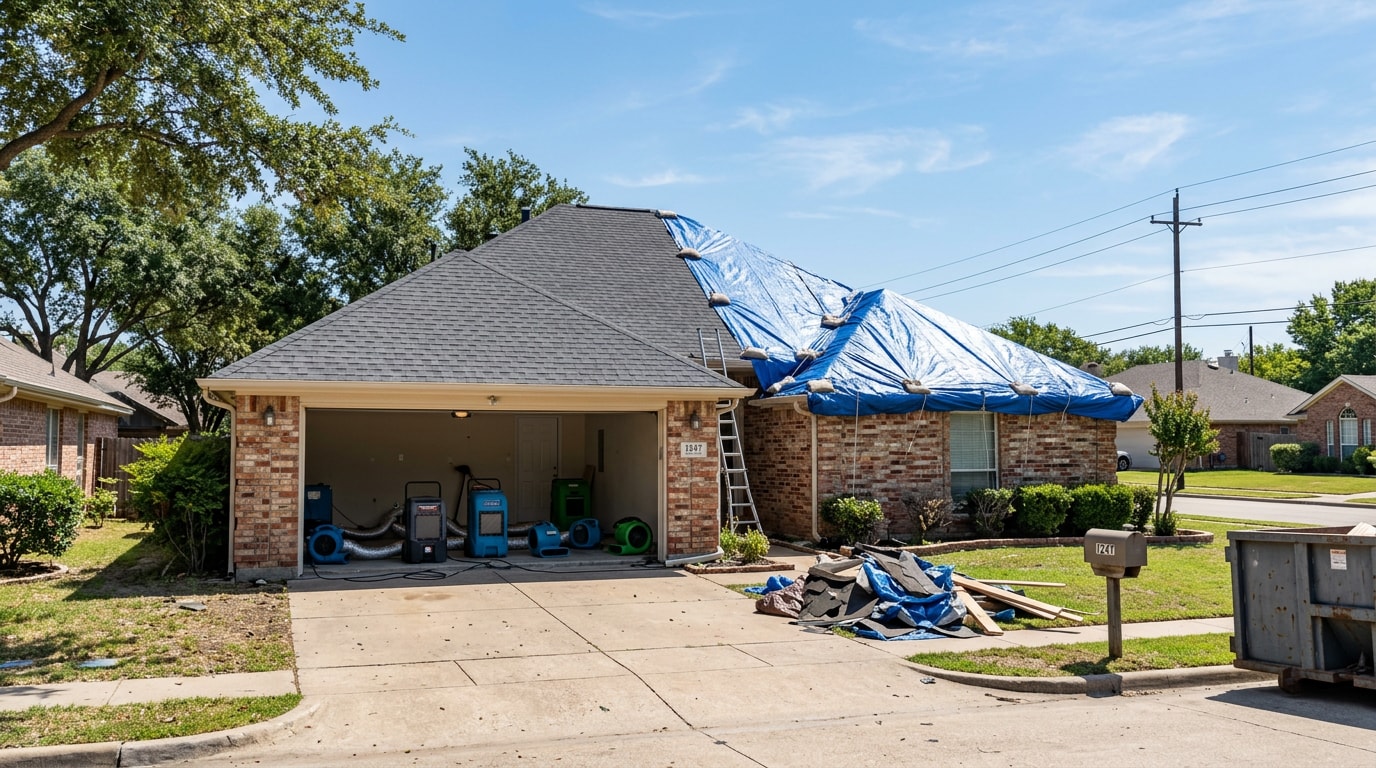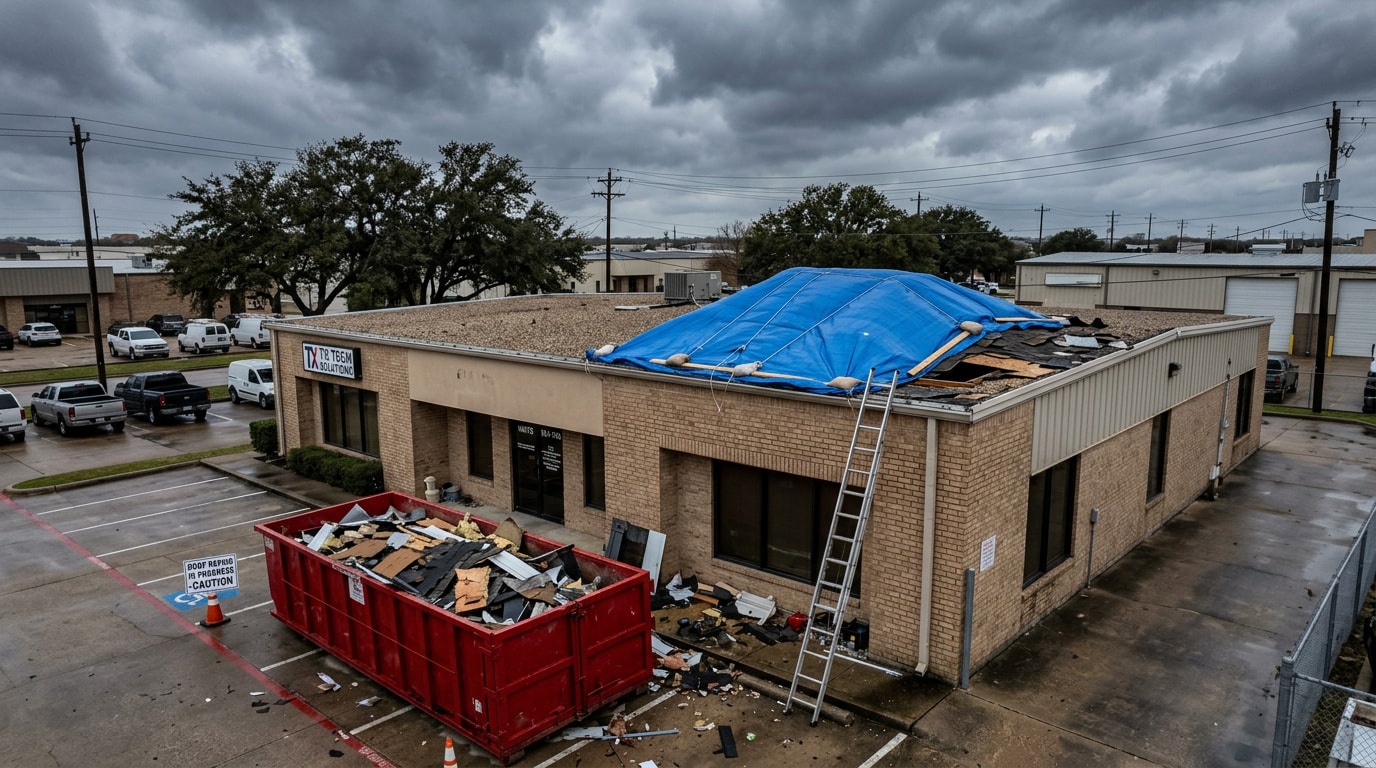
Wet basement services in Dallas, TX exist because the ground under every slab in this city works against your foundation year-round. Dallas sits on expansive Blackland Prairie clay that swells after rain and shrinks hard during drought, and that cycle drives most of the moisture intrusion local crews respond to. This guide covers the warning signs, the fix, realistic pricing, and how fast a crew should show up once water gets in.
Why Dallas Basements and Crawl Spaces Flood
Clay soil is the root cause behind most wet basement calls in North Texas. The U.S. Department of Agriculture's soil hazard guidance notes that shrinking and swelling of expansive soils commonly result in serious cracking of homes and other structures , and Dallas-Fort Worth sits squarely in one of the most reactive clay belts in the country. Every heavy rain swells that clay against the foundation; every dry spell shrinks it back and opens hairline gaps. Water finds those gaps.
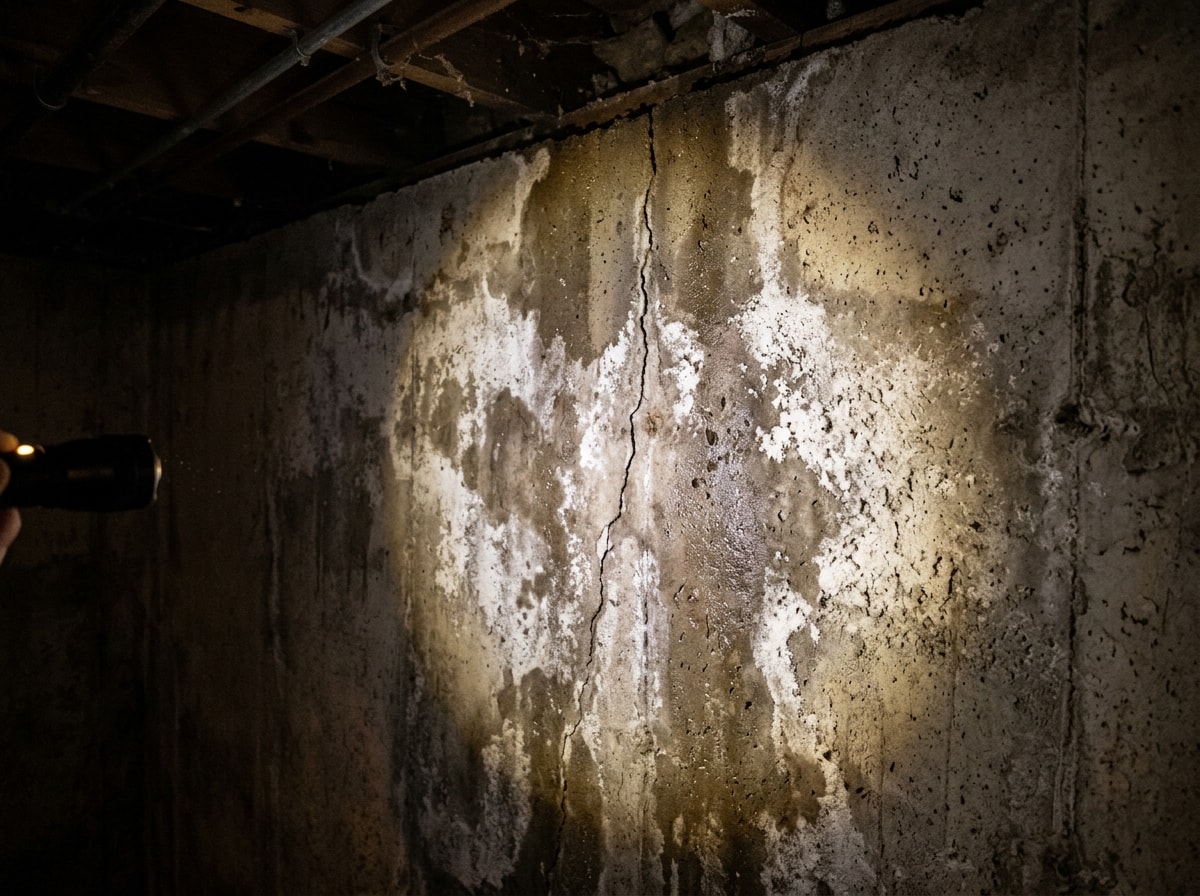
Some signs are obvious: standing water, visible wall leaks, or soaked carpet the morning after a storm. Others are easy to miss:
- White, chalky efflorescence on concrete
- Peeling paint or bubbling drywall near the floor line
- Small rust spots on metal fixtures or ductwork
- Persistent musty odor, even when the floor looks dry
- Doors or windows that stick seasonally (a sign of foundation movement, not just humidity)
Musty odors deserve attention on their own. Indoor dampness supports mold growth, and the EPA states plainly that the key to mold control is moisture control, and if mold is a problem in your home, you should clean up the mold promptly and fix the water problem .
Wet Basement Services We Provide in Dallas, TX
"Wet basement services" really covers two separate jobs: a planned waterproofing system that keeps water out permanently, and emergency cleanup after water has already gotten in. Most homeowners need one or the other, not both at once.
Basement Waterproofing Systems
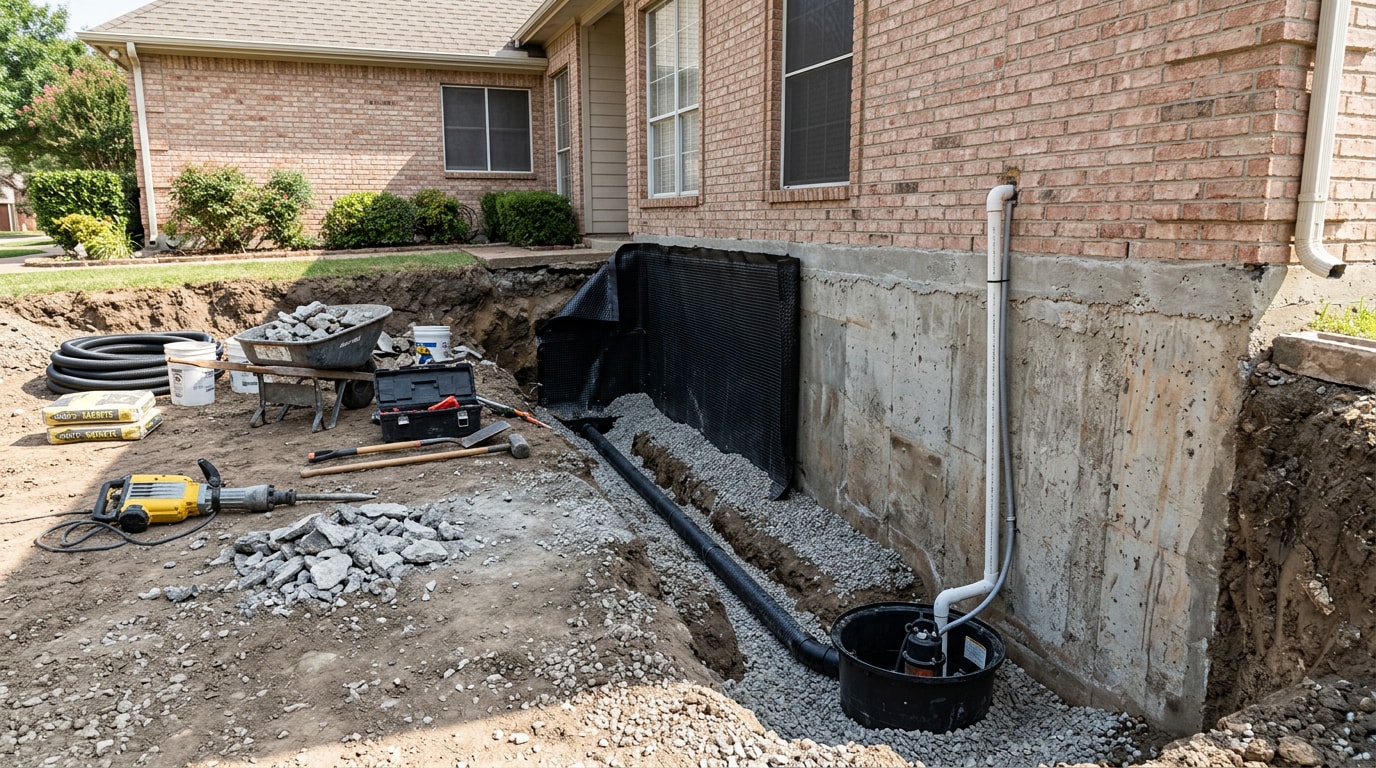
A complete system typically combines interior drainage (drain tile along the footing), a sump pump, vapor barriers on walls and floors, and foundation crack injection where needed. For an existing Dallas home on clay soil, interior systems usually make more sense than full exterior excavation, since they manage water once it reaches the basement without disturbing the foundation's soil bearing. You can review our water damage restoration services and the related water damage inspection process we use to diagnose the source before any system goes in.
Emergency Wet Basement and Flood Cleanup
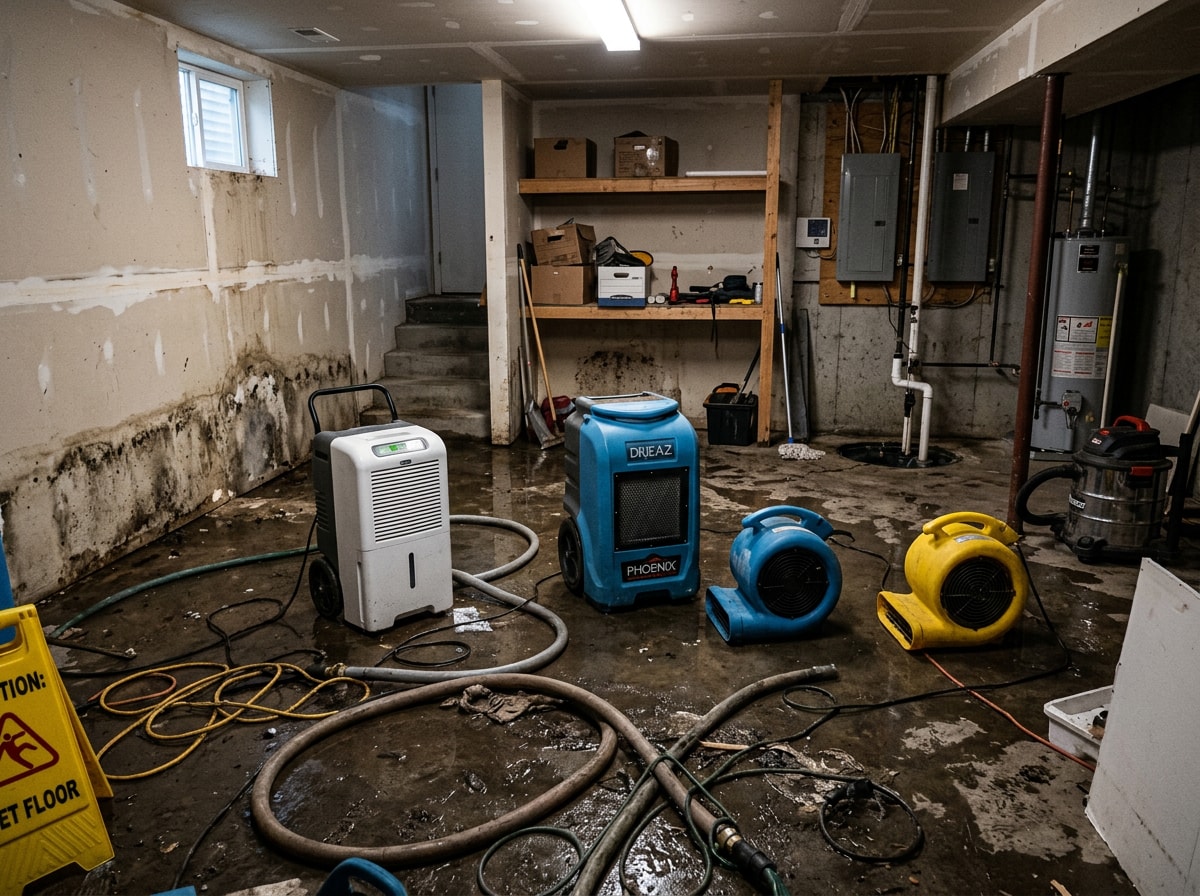
When water has already flooded a basement, speed matters more than anything else. Crews handle standing water extraction, debris removal, and structural drying services to pull moisture out of framing, insulation, and subfloor before mold gets a foothold. Our emergency water removal teams work around the clock because the clock genuinely matters here, not as a sales line.
Mold Prevention After Water Intrusion
Any basement that's taken on water needs a moisture-control follow-up, even if it looks dry a week later. That's where moisture control and mold prevention services come in, targeting the humidity levels inside wall cavities and under flooring that a surface-level dry-out can miss.
Interior vs. Exterior Waterproofing: Which Fits Your Dallas Home
Both methods work. They solve different problems, and cost very differently.
| Factor | Interior Waterproofing | Exterior Waterproofing |
|---|---|---|
| Best for | Existing homes, finished basements | New construction, major grading issues |
| Typical cost | Lower (no excavation) | Higher (full excavation required) |
| Disruption | Minimal, work stays indoors | Significant, landscaping is disturbed |
| What it fixes | Manages water after it enters | Stops water before it reaches the wall |
| Dallas clay soil fit | Works well with seasonal soil movement | Can be undermined by clay shifting after backfill |
Most Dallas homeowners with an existing, finished basement choose interior drainage paired with a sump pump, since it sidesteps the risk of clay soil re-settling around a freshly excavated foundation.
How the Wet Basement Repair Process Works
- Inspection. A technician checks the foundation, walls, and grading to find the actual moisture source, not just the symptom.
- Extraction or installation. Standing water comes out first if there's an active flood; otherwise, the waterproofing system goes in.
- Structural drying. Industrial dehumidifiers and air movers bring humidity down before any repair work is closed up.
- Final walkthrough. A follow-up visit confirms the fix is holding, usually a few weeks after the initial work.
Learn more about our full approach in the water damage restoration process before you schedule.
Why Dallas Homeowners Choose Us for Wet Basement Services
Our Dallas Fort Worth crews see a predictable pattern after every heavy rain: service calls spike within 48 hours, almost always from clay soil swelling fast enough to push water through hairline foundation cracks that stayed dry all summer. That pattern is why our technicians, trained to IICRC water damage restoration standards, inspect grading and soil conditions first instead of jumping straight to a sump pump quote.
We back installations with a warranty and serve homeowners across the Dallas, TX area and the wider Dallas Fort Worth Metro, including coordinated response for multi-property owners. For a closer look at how we've handled past basement flooding jobs in this market, see our guide to basement water damage restoration across Dallas Fort Worth and our completed projects.
Request Your Free Wet Basement Inspection
A free inspection means a specialist walks the foundation, walls, and drainage path looking for the actual moisture source, not a generic checklist. Have recent photos of any wet areas on hand before the visit. Request a consultation to get a clear scope and price, or start from our homepage to see the full range of restoration services available in your area.
FAQ
How long does basement flood cleanup take?
Most jobs take one to five days, depending on how much water intruded, which materials got wet, and how much drying equipment goes in. A small, isolated leak might dry in a day; a full flood with soaked drywall and flooring can take closer to a week.
Does homeowners insurance cover basement waterproofing?
Usually not. Standard homeowners insurance covers sudden, accidental water damage, like a burst pipe, but it excludes preventive waterproofing and routine maintenance. FEMA is direct about this: most homeowners insurance does not cover flood damage , which is why rising groundwater or storm flooding typically falls under a separate flood policy, not your standard homeowners coverage. Check your policy wording before assuming either way.
How much does basement waterproofing cost in Dallas, TX?
Basement waterproofing in Dallas commonly runs between roughly $2,500 and $10,000, depending on basement size, method, and whether the work is interior or exterior. Smaller interior drainage jobs land near the low end; full exterior excavation runs higher. Get an exact number from an in-person inspection rather than a phone estimate.
What causes a wet basement in Dallas, TX specifically?
Expansive clay soil is the main driver. It swells when saturated and shrinks during dry spells, opening gaps around the foundation that water exploits after the next rain. Poor grading, clogged gutters, and aging foundation cracks make the problem worse.
How fast does water need to come out to prevent mold?
Fast. EPA guidance is specific on this point: when things get wet, dry them quickly, within 24-48 hours , to keep mold from taking hold. That's why emergency extraction and drying start the same day a crew arrives, not after a quote is approved.
Is interior or exterior waterproofing better for an existing Dallas home?
For most existing, finished basements, interior drainage paired with a sump pump is the more practical and less disruptive choice. Exterior waterproofing works best during new construction or when grading around the home needs a full rebuild.