Water foundation repair in Irving, TX almost always comes down to one of two triggers: expansive clay soil cycling through wet and dry seasons, or a leak that's been feeding moisture into the ground longer than anyone noticed. Most homeowners searching for help are dealing with both at once, and treating them as separate problems is how repairs get redone twice. Here's how to tell which one you have, what it costs to fix, and what the repair process actually looks like.
Visit Spotless restoration to see our services and request a free estimate.
Why Irving Homes Get Water-Related Foundation Damage
Irving sits on a mix of native clay and, in parts of Las Colinas and Valley Ranch, land shaped by past flood-control work along the Elm Fork Trinity River. Those two soil environments move differently, and both interact with water in ways that stress a foundation over time.
Expansive Clay Soil Movement
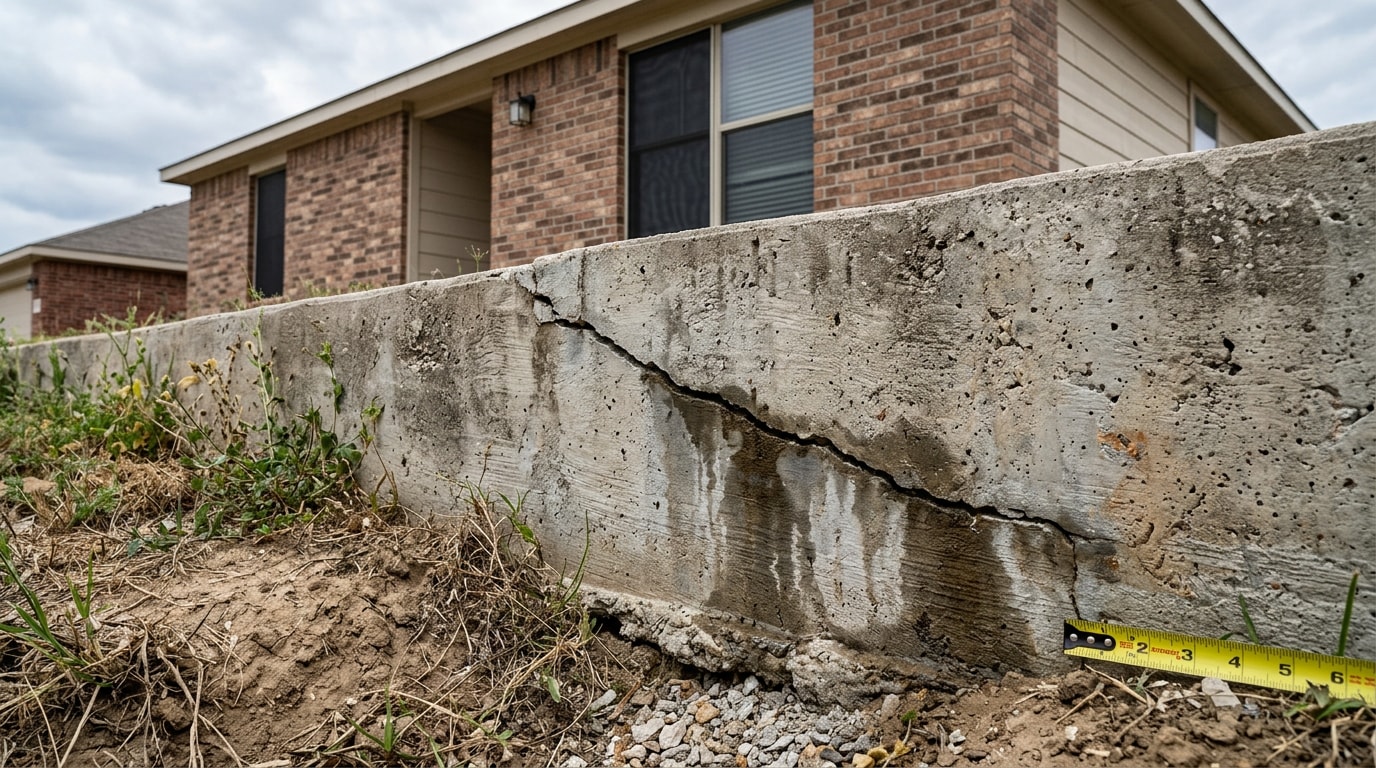
Expansive clay shrinks when it dries and swells when it absorbs water, and that cycle is the leading cause of foundation movement across North Texas. As soil beneath a slab contracts and expands unevenly, it creates pressure points that crack concrete or cause one section of the house to settle faster than another.
The USDA's Natural Resources Conservation Service maps soil shrink-swell potential county by county, and Dallas County's clay-heavy soils consistently show up in the moderate-to-high range on that scale.
Drainage and Plumbing Leaks
Poor drainage speeds up soil movement instead of preventing it. When water pools against a foundation instead of draining away, the clay underneath swells unevenly on that one side, pulling the slab or pier-and-beam frame out of level.
Under-slab plumbing leaks cause the same effect from the inside. A slow leak can run for months before anyone notices a stain or a soft spot in the flooring, and by the time it's found, the saturated soil may already be mimicking or worsening normal settling.
Neighborhood Risk Factors Worth Knowing
Risk looks different depending on where you live in Irving.
- Las Colinas and Valley Ranch — shared-wall condos and townhomes mean one unit's leak can become three units' water damage claim fast.
- South Irving — older housing stock with aging plumbing is more prone to slow, hard-to-spot leaks.
- Near the Elm Fork Trinity River and Lake Carolyn — periodic flood exposure adds a second water source beyond plumbing.
- Citywide — freeze events like the February 2021 winter storm that NOAA still references as a benchmark cold-weather event raise burst-pipe risk every winter.
Soil Movement or Water Damage? A Quick Way to Tell
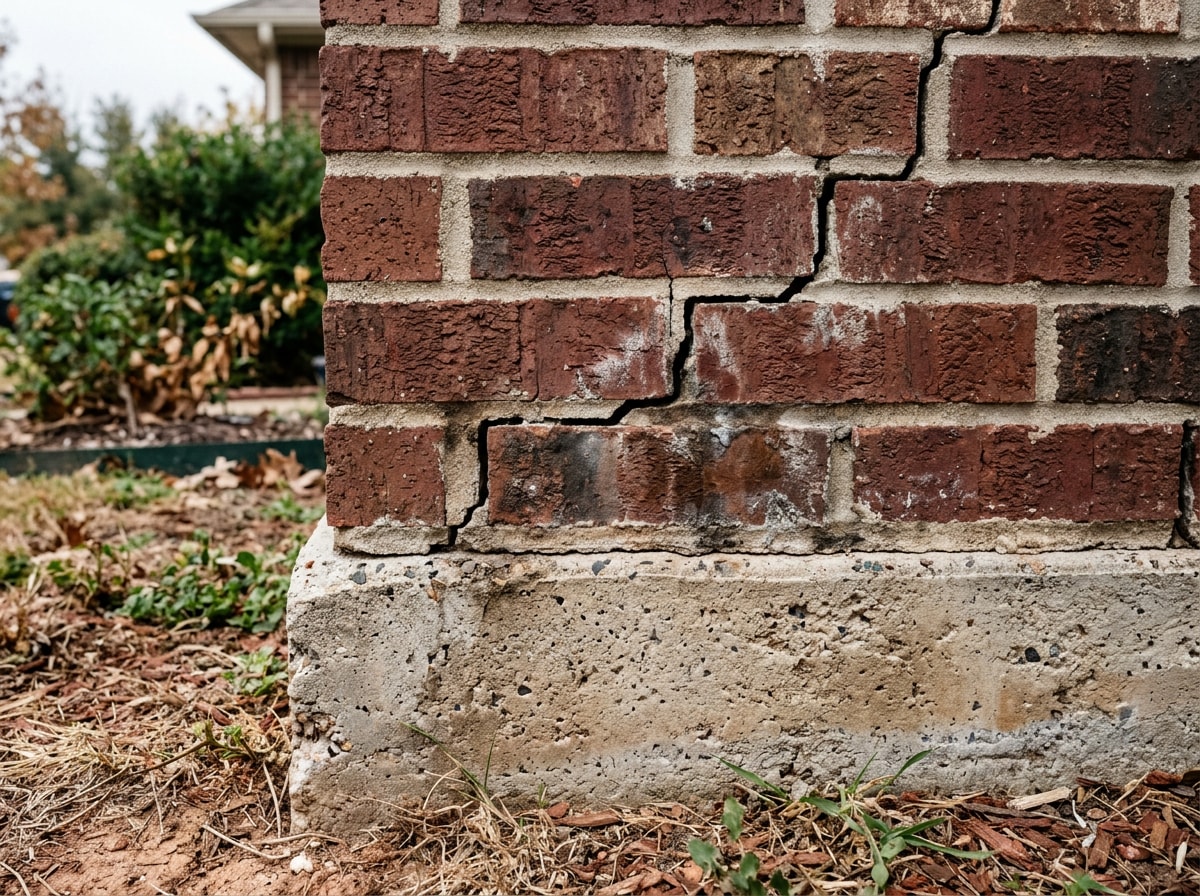
Both problems produce cracks and uneven floors, but they don't need the same fix. This is the checklist we actually use on inspections before recommending next steps.
| Clue | Points to Soil-Driven Movement | Points to Water Damage |
|---|---|---|
| Timing | Worsens during Irving's hot, dry summer stretches | Appears suddenly after a storm, leak, or plumbing failure |
| Crack pattern | Diagonal, stair-step cracks near corners | Cracks paired with staining, bubbling paint, or a musty smell |
| Moisture | No standing water or dampness nearby | Damp carpet, soft drywall, or visible pooling |
| Location | Spread evenly around the perimeter | Concentrated near one plumbing line or low exterior grade |
| What it needs | Piering or releveling by a structural specialist | Leak repair, drainage correction, and structural drying |
If you're seeing signs from both columns, that's common, and it's exactly why a slow leak gets missed: it looks like "just settling" until someone checks moisture levels.
What Water Foundation Repair Costs in Irving, TX
Costs vary a lot depending on which column above your problem falls into, and local quotes we've seen bounce around by a factor of ten depending on scope. These ranges reflect what shows up most often across Irving jobs.
| Repair Type | Typical Cost Range |
|---|---|
| Minor crack or leak sealing | $350 – $1,200 |
| Drainage correction (French drains, regrading) | $1,500 – $6,000 |
| Water damage restoration (clean to grey water) | $1,300 – $5,800 |
| Pier or foundation stabilization (multiple piers) | $3,000 – $12,000+ |
| Full-perimeter stabilization or major structural repair | $10,000 – $30,000+ |
Pier count and water category drive price more than square footage does. Steel and bell-bottom piers cost more than pressed concrete, and interior piers installed under a slab cost more than exterior perimeter work because of the extra access involved. For the water-damage side specifically, pricing depends heavily on whether the water is clean, grey, or contaminated, a classification system laid out in the ANSI/IICRC S500 standard that restoration professionals use to scope a job correctly.
Get a written scope before you agree to anything. A number without a pier count or a water category attached to it isn't a real estimate yet.
How We Handle the Water Damage Side of Foundation Repair
Spotless Restoration USA isn't a pier-driving company, and we won't pretend otherwise. Our scope is the water side of the problem: finding it, stopping it, drying the structure out, and rebuilding what it damaged. For slab-raising or pier installation, we work alongside licensed structural specialists so homeowners aren't left managing two separate contractors with two separate timelines.
Here's what that process looks like in practice.
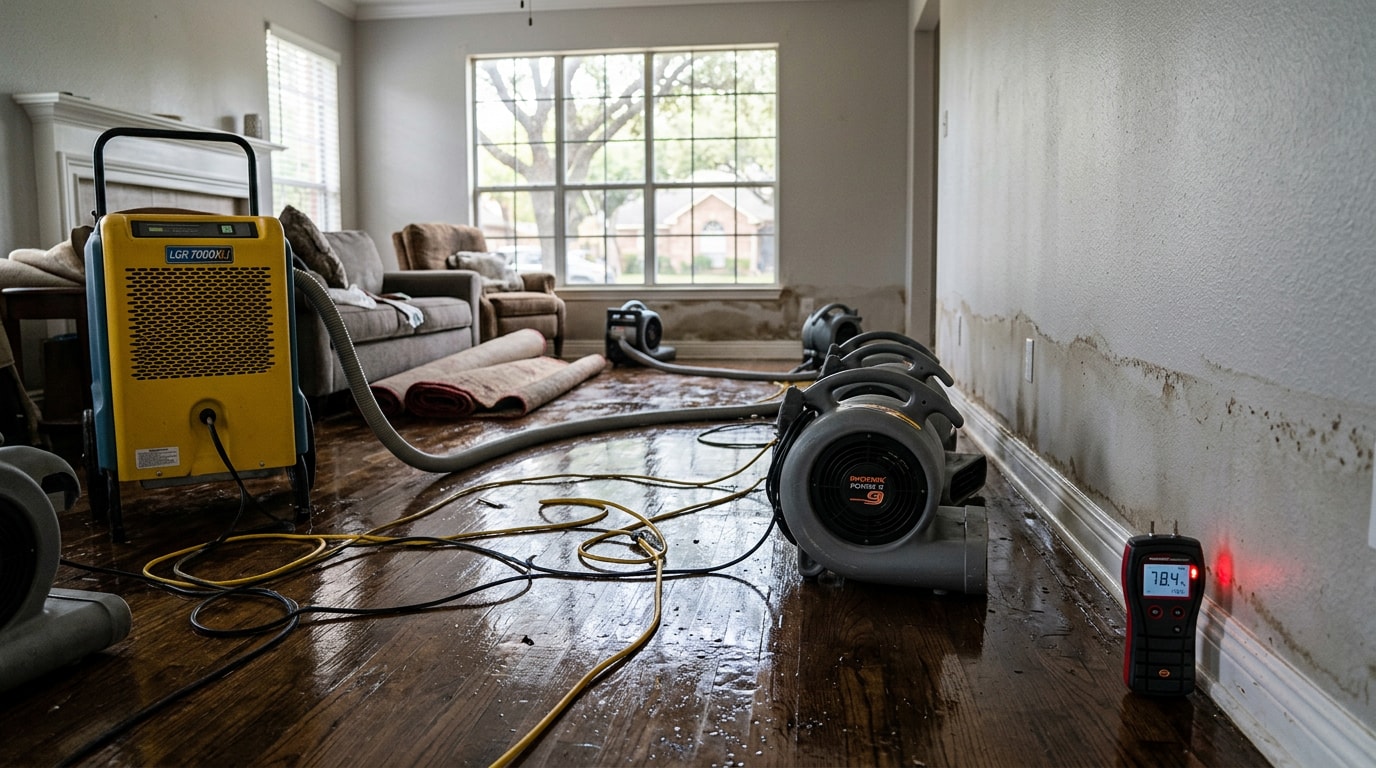
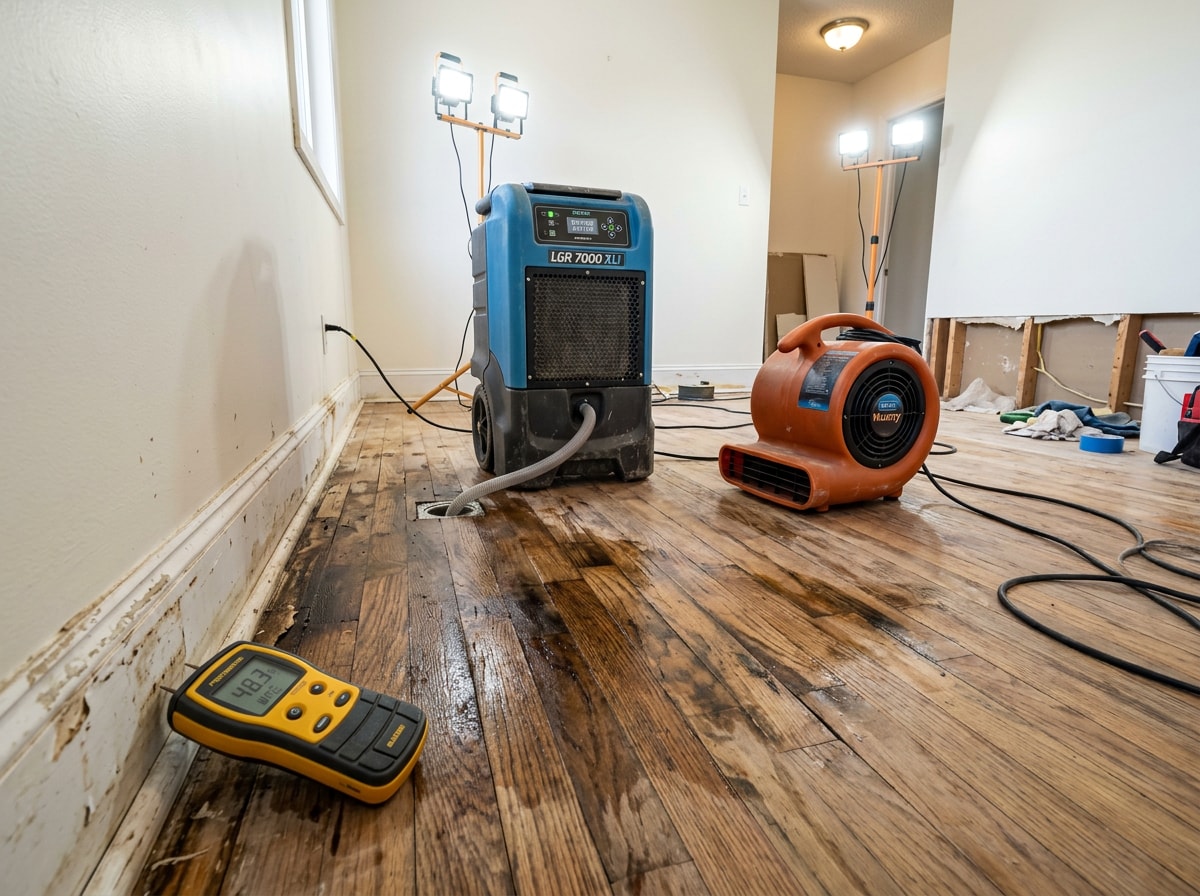
- Inspection — A water damage inspection pinpoints the source: a slab leak, poor grading, or storm intrusion, using moisture meters rather than guesswork.
- Extraction — If water is actively present, emergency water removal gets it out before it soaks deeper into soil or subflooring.
- Structural drying — Structural drying services bring humidity and material moisture back to normal so mold and further soil saturation don't follow.
- Flood-specific repair — For storm or river-adjacent flooding, flood damage repair addresses contamination and material loss that a simple leak doesn't involve.
- Rebuild — Once the structure is dry and any pier work is complete, home reconstruction restores flooring, drywall, and trim.
(Wait, remove stray markdown link formatting above — fixing below in final output.)
Explore the full water damage restoration services we provide, or see our broader general contractors work for post-repair rebuilds.
Does Homeowners Insurance Cover Foundation Water Damage?
Usually only if the water event was sudden and accidental. The Texas Department of Insurance's home insurance guide draws a clear line: most policies cover a sudden release of water, like a burst pipe, but exclude continuous or gradual leaks and flood damage from outside water.
That means a slab leak caught early has a real shot at coverage. A slow leak that's been running for months, or floodwater from the Trinity River, usually doesn't qualify without a separate endorsement or flood policy. Document everything and call your adjuster before cleanup starts, not after.
Why Irving Homeowners Choose a Professional for Water and Foundation-Related Repairs
Citywide Coverage
Fast response matters when water is actively damaging a structure. We cover the full Irving service area, including Las Colinas, Valley Ranch, and South Irving, as well as the broader Dallas-Fort Worth Metro.
Experienced, Honest Diagnosis
In the water damage jobs we've worked across Irving, a slab leak gets mistaken for ordinary settling more often than homeowners expect, especially when the only sign is a slightly uneven floor. Certified technicians who check moisture levels before assuming "it's just the clay" catch that distinction early, which saves a second round of repairs.
If you're seeing cracks, staining, or a musty smell, don't wait for it to get worse. Get a free consultation and we'll tell you straight whether you're looking at a water problem, a soil problem, or both.
For a broader look at how our team handles emergencies across the region, see our water damage company guide for the Dallas-Fort Worth Metro.
About the Author
This guide was reviewed by the restoration team at Spotless Restoration USA, led by project managers holding IICRC Water Damage Restoration Technician (WRT) certifications and years of hands-on experience with North Texas clay soil and slab-leak diagnostics. Questions about a specific property? Contact us directly.
FAQ
How much does foundation leak repair cost in Irving?
Foundation leak repair in Irving typically costs between $350 and $1,200 for sealing and minor crack repair, depending on materials and access. This is separate from full pier and stabilization pricing, which runs much higher.
What are common signs of foundation water damage?
Watch for cracks paired with staining or a musty smell, damp carpet or soft drywall near the slab, doors and windows that suddenly stick, and visible water pooling against the foundation after rain. Cracks alone without moisture usually point to soil movement instead.
What causes foundation leaks?
Foundation leaks usually come from poor drainage, aging under-slab plumbing, or a crack in the foundation wall that lets groundwater seep through over time. In Irving, expansive clay soil often makes an existing leak worse by swelling unevenly around it.
Does homeowners insurance cover foundation repair caused by water damage?
Generally only if the water event was sudden and accidental, like a burst pipe. Gradual seepage, long-term leaks, and flood damage are typically excluded under standard Texas policies. Check your specific policy or ask your agent about a foundation or water-backup endorsement.
Do you handle slab foundation leaks?
We handle the water side: locating the leak with moisture diagnostics, extracting standing water, and structurally drying the affected area. For the actual pier or slab-leveling work, we coordinate with licensed structural specialists so you get one coordinated timeline instead of juggling separate contractors.
How long does the water damage portion of repair take?
Extraction and structural drying typically take three to five days once the water source is stopped. Reconstruction timelines depend on how much flooring, drywall, or trim needs replacing, and run separately from any foundation stabilization work.