A mold restoration company in Dallas, TX has to deal with clay soil, pier-and-beam crawl spaces, and air conditioners that run nonstop from May through September. That combination creates moisture problems that look different from one property to the next, and it's why a generic national playbook often misses the mark here. This guide covers how to vet a provider, what the remediation process should include, and what the job should realistically cost in 2026.
What to Look for in a Mold Restoration Company in Dallas
Not every mold restoration company Dallas, TX homeowners find online operates to the same standard, and the gap between a compliant provider and a corner-cutter usually shows up in three places: licensing, who repairs the moisture source, and whether the job gets independently checked when it's done.
Licensing is non-negotiable. Texas requires mold remediation contractors to hold a license through the Texas Department of Licensing and Regulation, and state law keeps the assessment role separate from the remediation role on most projects. A licensed mold assessor identifies the problem and writes a remediation protocol. A separate licensed remediator performs the actual work. That separation exists so the company diagnosing a problem isn't also the one selling the fix.
This rule got stricter recently. Senate Bill 1255, effective September 1, 2025, closed a loophole that let unlicensed employees work under a licensed supervisor's credentials. Every individual now performing mold assessment or remediation in Texas must hold their own TDLR license or registration, not just work under someone else's. If you're vetting a company in late 2026, it's worth asking whether every technician on the crew, not just the company owner, carries an individual credential.
Beyond state minimums, independent IICRC certification signals technicians were trained on recognized industry protocols. The real test is whether a provider treats moisture source repair as part of the job rather than an afterthought. Removing visible mold without fixing the leak or humidity problem behind it usually means it comes back.
| Provider type | License only | Licensed + IICRC certified + clearance testing |
|---|---|---|
| Meets state minimum | Yes | Yes |
| Independently verified training | Not guaranteed | Yes |
| Confirms moisture source repaired | Sometimes | Standard practice |
| Post-job clearance testing included | Rarely | Yes |
Use this table as a baseline when comparing quotes. We cover licensing details specific to this market in our guide to mold treatment companies in Dallas, TX, and a free inspection is a reasonable first step before committing to any plan.
Why Mold Spreads Fast in Dallas-Fort Worth Homes
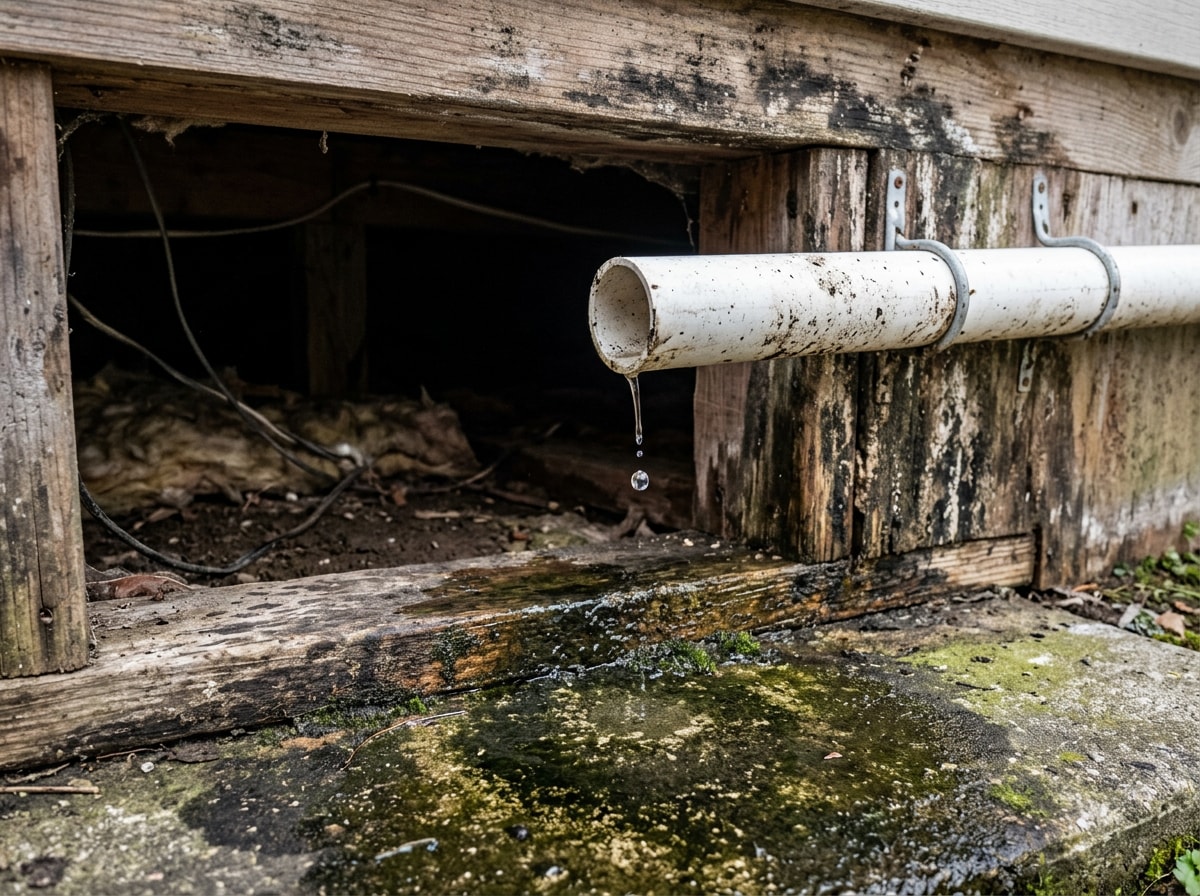
Dallas summers push humidity well above what most building materials tolerate, and that moisture is the root of the mold growth homeowners deal with year after year. Air conditioning systems run almost nonstop from May through September, and the condensation they produce has to go somewhere. When a condensate line clogs or a vapor barrier fails, moisture sits against wood, drywall, or insulation long enough for mold to take hold.
Housing type matters too.
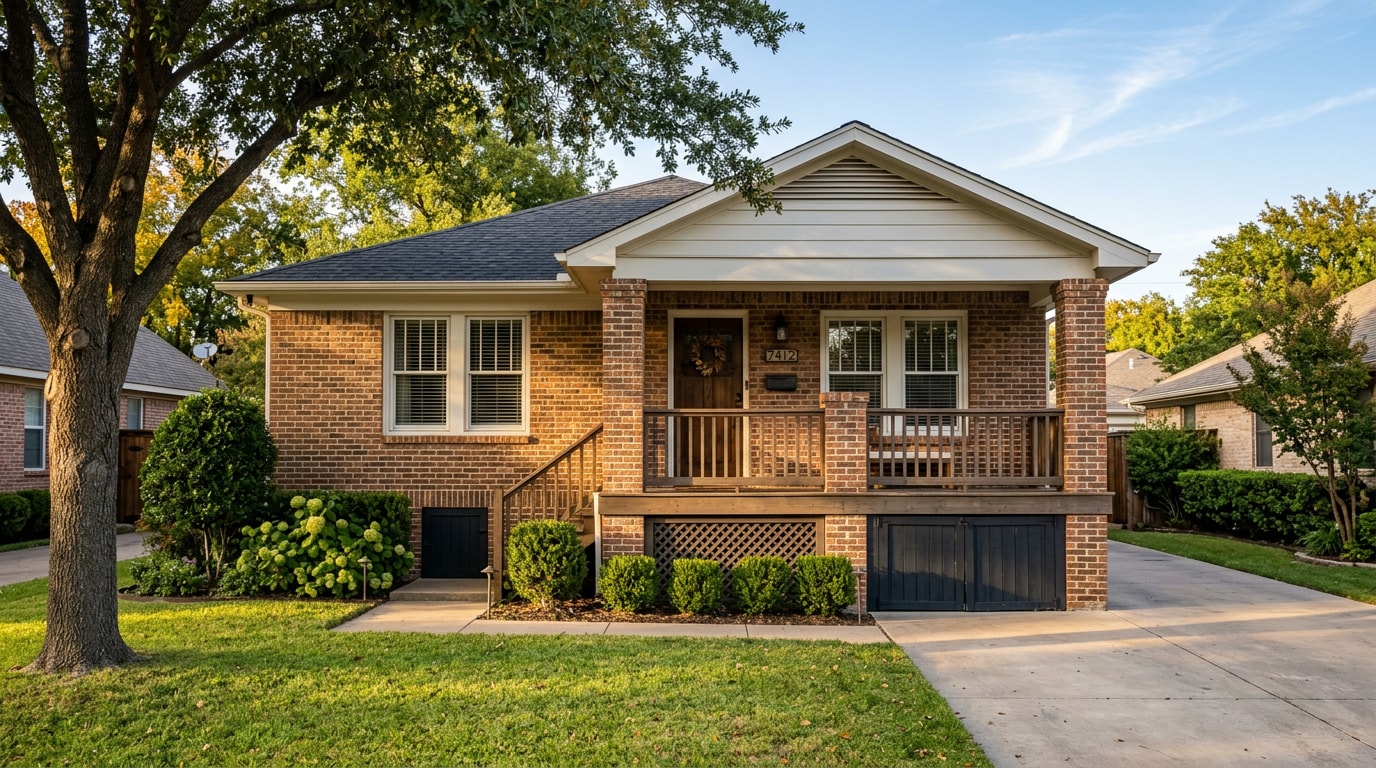
- Older pier-and-beam homes, common in neighborhoods like Oak Cliff and East Dallas, have open crawl spaces where ground moisture and limited ventilation collect.
- Newer slab foundation construction traps moisture differently, through plumbing leaks, foundation cracks, and vapor intrusion from below.
Both styles are common across Dallas-Fort Worth, and each creates its own path for water to reach vulnerable material. In our own jobs, we see slab-foundation homes develop mold behind baseboards months before anyone notices a smell, simply because the leak is below the finished floor.
The timeline is shorter than most people assume. According to the EPA's guide to mold and moisture control, it is important to dry water-damaged areas and items within 24-48 hours to prevent mold growth. That narrow window is why a slow leak behind a wall, or a damp crawl space after a hard freeze, can turn into a full remediation job before anyone notices.
Mold and Health: Why Remediation Matters in Dallas Homes
Mold isn't just an eyesore on a bathroom ceiling. For many Dallas homeowners, exposure symptoms show up as respiratory irritation, coughing, sinus congestion, or allergy-like reactions that flare up at home and ease elsewhere. People with asthma or weakened immune systems often notice these effects more acutely, though reactions vary and shouldn't be treated as a diagnosis.
Indoor air quality suffers as mold colonies release spores into air a household breathes daily. Even mold growing in a crawl space or attic can reach living spaces once it's pulled into the HVAC system.
Beyond health, untreated mold causes real property damage. It breaks down drywall paper, weakens wood framing, and spreads through ductwork into rooms far from the original source. A small patch behind a baseboard can, over months, turn into a structural repair instead of a simple cleaning job. That's why professional remediation is usually the safer route once mold has taken hold. Our mold remediation services page outlines what a full inspection and treatment plan typically includes.
Where Mold Hides in Dallas Homes
Hidden mold is often more significant than the small patch a homeowner notices. Moisture travels toward whatever path is easiest, gravity, condensation, or airflow, rather than staying put where it's visible.
- Crawl space mold is common in pier-and-beam homes where ground moisture lingers with limited airflow.
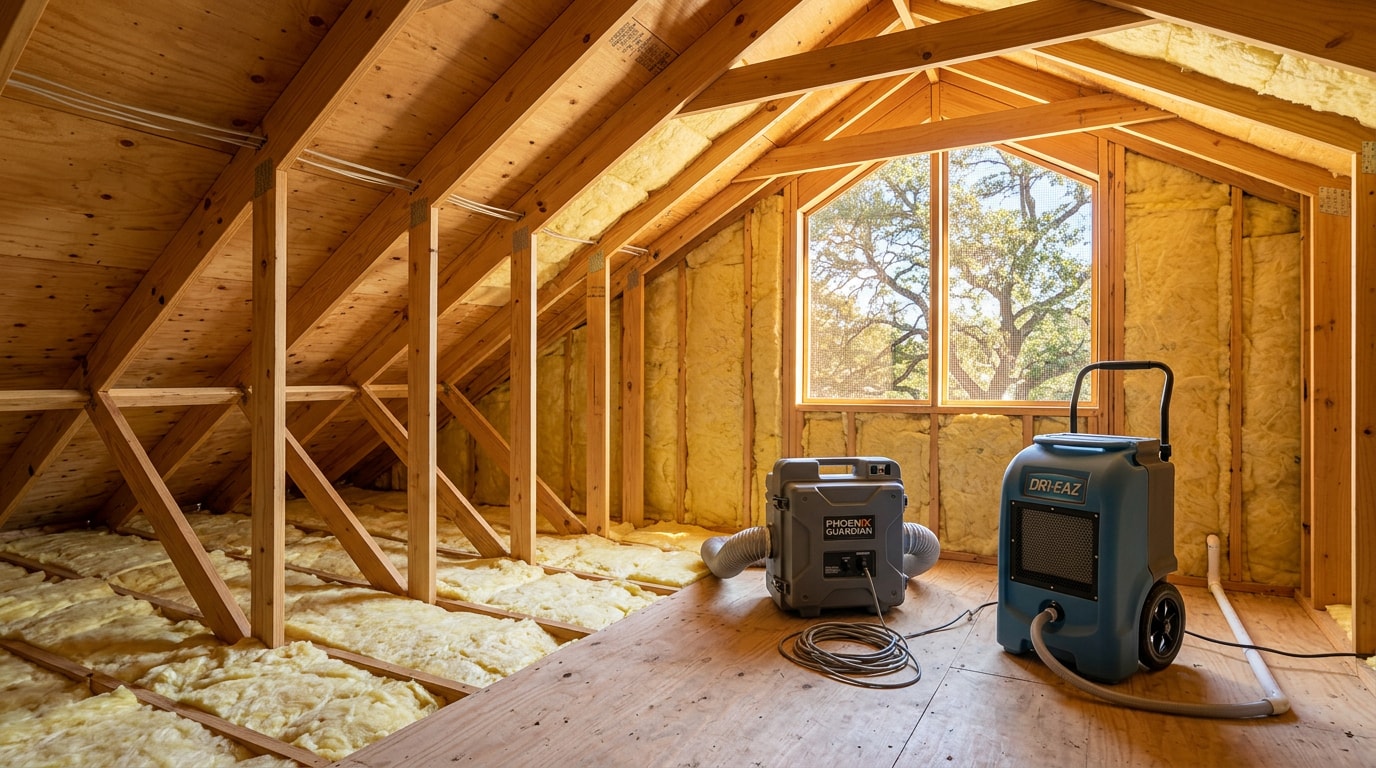
- Attic mold often develops from roof leaks or poor ventilation that lets warm, humid air condense against the roof deck.
- HVAC mold can form inside ductwork or around the evaporator coil when condensate drainage slows, the same condensation issue covered above.
- Drywall mold frequently grows behind the surface paper after a slow plumbing leak, so the visible stain is often smaller than the damage behind it.
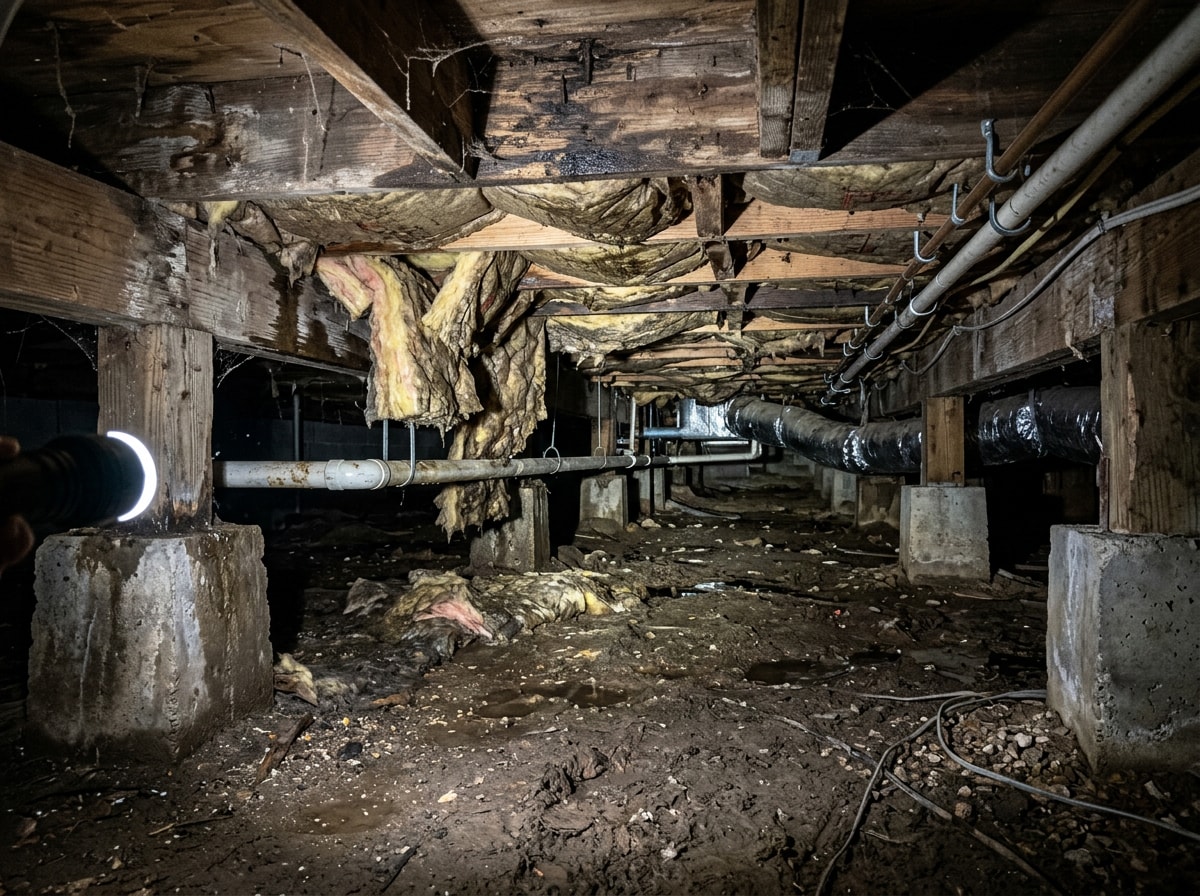
Each location traces back to an unresolved moisture source. A thorough inspection checks beyond the visible stain before any material comes out, which is also why moisture control is its own line item on a proper estimate rather than something bundled in as an afterthought.
How Dallas Mold Remediation Works: The Process Step by Step
Once a provider confirms a mold problem, the remediation process generally follows the same core stages. Knowing the sequence helps you judge whether a quote covers the full job or just the visible cleanup.
Containment, Removal, and Moisture Correction
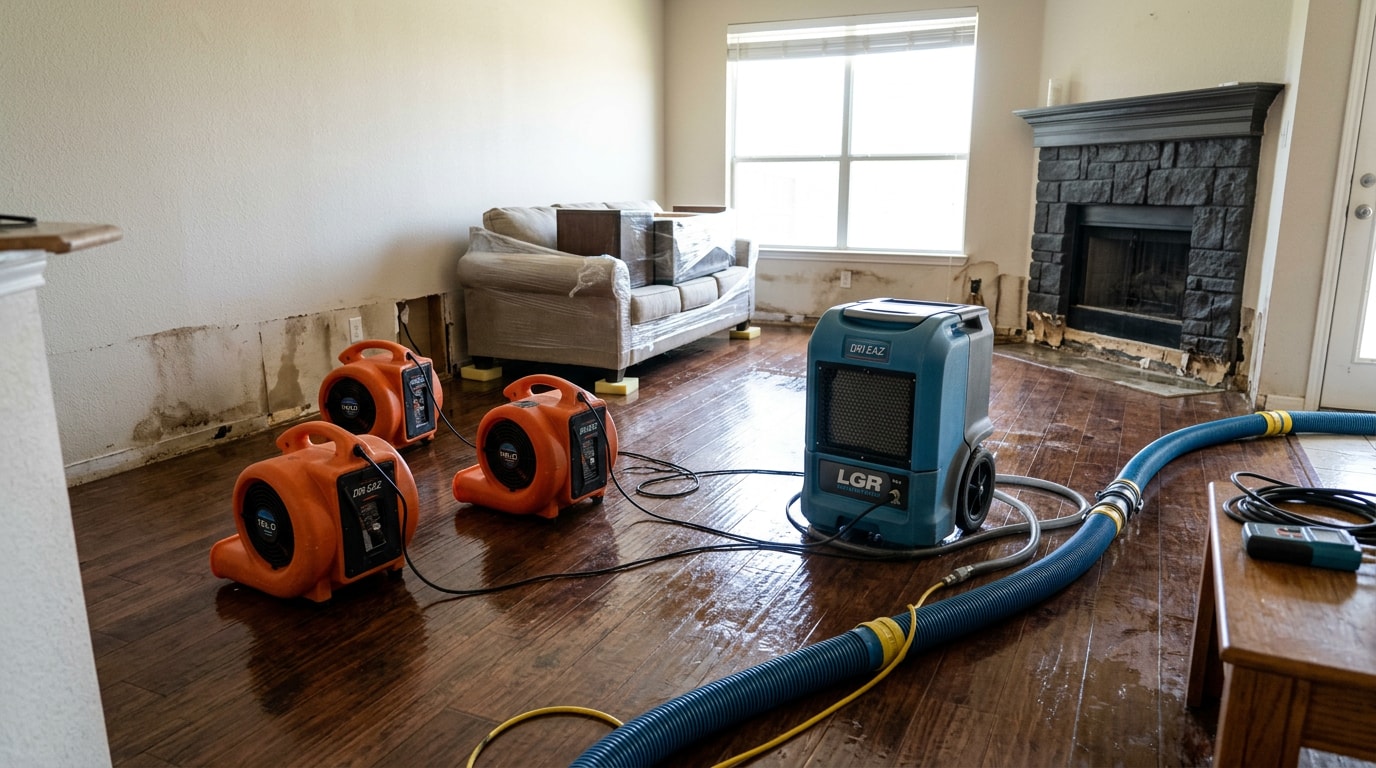
Mold removal starts with containment: sealing the affected area with plastic sheeting and blocking HVAC vents so spores don't spread to unaffected rooms. A HEPA filtration air scrubber typically runs inside the containment zone to capture airborne spores while technicians work.
From there, contaminated material comes out.
- Porous materials like drywall, insulation, and carpet padding usually can't be fully cleaned once mold penetrates them, so they're cut out and bagged for disposal.
- Non-porous surfaces, like framing lumber or concrete, are typically cleaned and treated instead of removed.
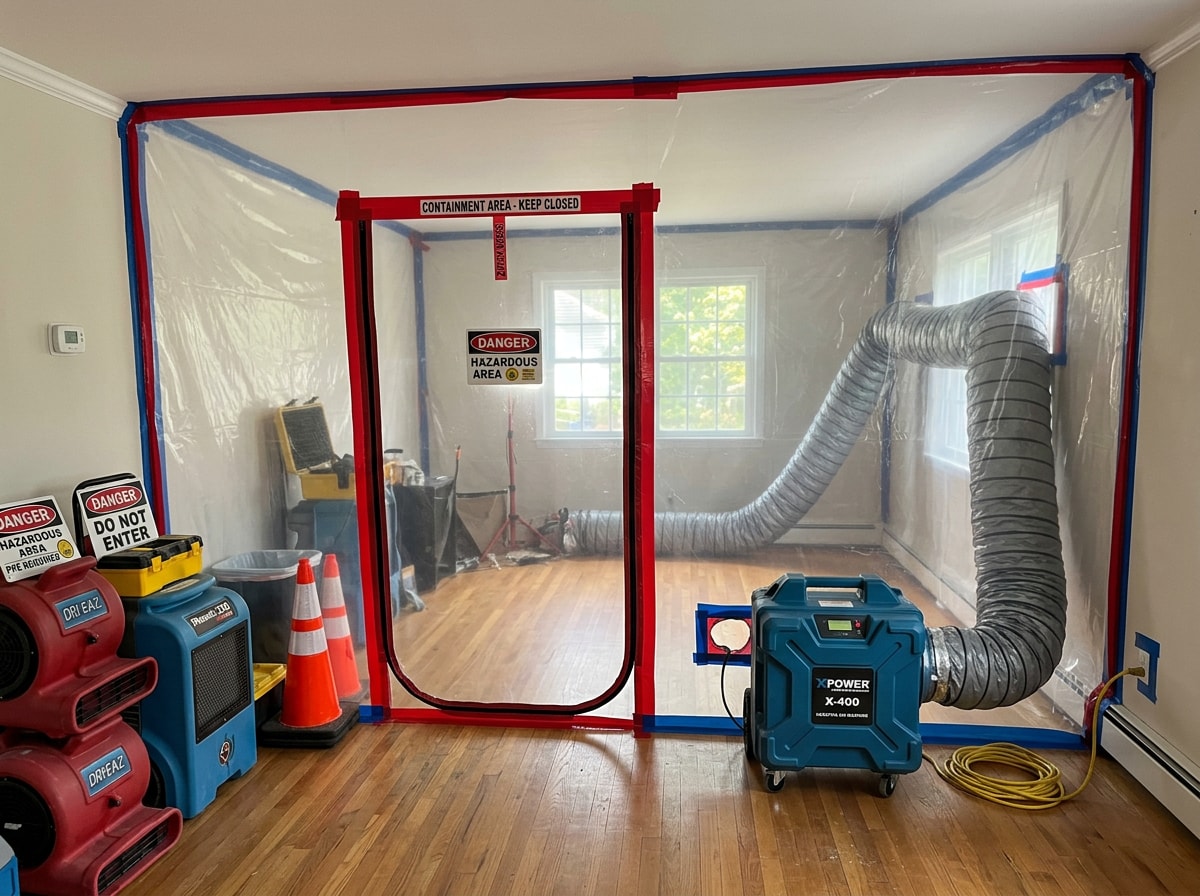
The step lower-quality jobs skip most often is moisture correction. Replacing drywall and spraying antimicrobial solution accomplishes little if the leaky pipe or clogged condensate line that caused the problem never gets repaired. This sequence generally follows the IICRC S520 standard, the recognized industry protocol for professional mold remediation. Our mold removal page breaks down options by project scope, and mold prevention steps matter just as much once the visible problem is gone.
Tools That Keep Dallas Homes Safe During Remediation
Professional remediation relies on equipment most homeowners don't have on hand.
- HEPA air scrubbers filter airborne spores down to a fraction of a micron, far finer than a standard furnace filter manages.
- Negative air pressure machines keep air flowing into the containment zone rather than out of it, which helps prevent cross-contamination into clean parts of the house.
- Moisture meters let technicians check drywall, subfloor, and framing for hidden dampness that isn't visible to the eye, since a surface can look dry while the material underneath still holds moisture.
- Antimicrobial treatment is typically applied to cleaned surfaces as an added safeguard, though it supplements physical removal and moisture correction rather than replacing either one.
What Mold Remediation Costs in Dallas, TX in 2026
Before hiring a mold restoration company, it helps to know roughly what the job should cost so a quote can be judged against something concrete. These figures reflect typical ranges seen across the Dallas-Fort Worth market; your exact number depends on square footage, material type, and whether ductwork is involved.
How much does mold remediation cost in Dallas, TX?
| Project scope | Typical cost range |
|---|---|
| Small area (bathroom, closet) | $500 – $1,500 |
| Multi-room / moderate spread | $1,500 – $5,000 |
| Whole-house or HVAC-involved | $7,500 – $15,000+ |
| Mold inspection only | $200 – $600 |
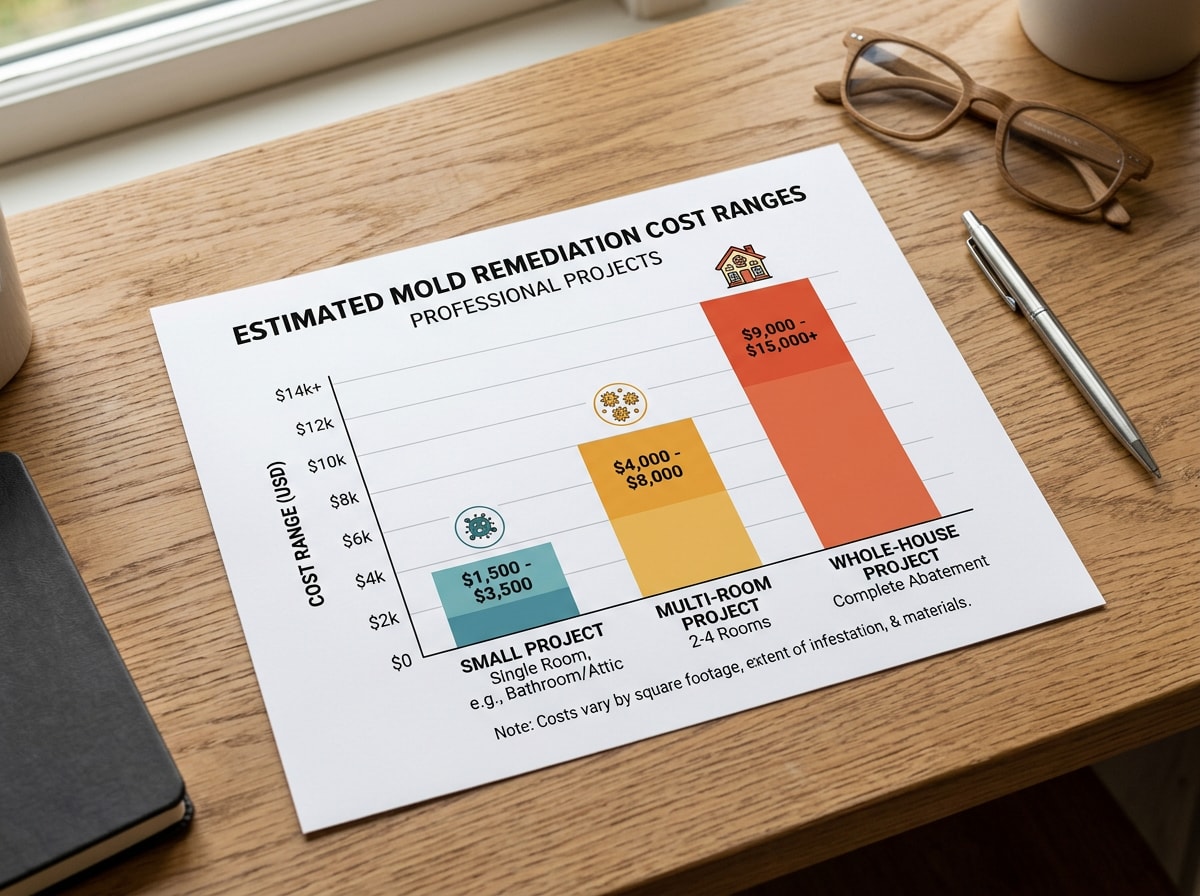
Cost per square foot generally runs $10 to $25 for remediation work, though heavily contaminated material or difficult crawl space access can push costs higher. A detailed inspection is the only reliable way to get an accurate number. Request a consultation for a written quote rather than relying on a phone estimate.
If you're dealing with mold that followed a leak or storm event rather than long-term humidity, it's also worth reading how water damage restoration ties into the remediation timeline, since drying the structure correctly the first time reduces the odds of a second mold job down the road. You can also see completed local work on our projects page, or start from the homepage to see our full range of restoration services across Dallas, TX and the wider Dallas-Fort Worth Metro.
FAQ
How long does mold remediation take?
Most mold remediation jobs in Dallas take two to five days from containment setup to final cleanup, though small, isolated areas sometimes finish in a single day. The timeline extends when a job involves extensive drywall replacement, structural drying, or HVAC decontamination. Larger whole-house jobs can take a week or longer before clearance testing confirms the space is ready to rebuild.
Is a Texas license required for mold remediation companies?
Yes. All non-exempt mold assessors and remediators must be licensed by the Texas Department of Licensing and Regulation (TDLR). State law also keeps the roles of mold assessor and mold remediator separate on most projects, so the company that identifies the problem typically can't be the one performing the remediation. As of September 2025, every individual technician on a crew, not just the licensed company, must also hold their own credential. Always confirm a mold restoration company's TDLR license number before signing a contract, regardless of where in our service area the property sits.
What is the difference between mold removal and mold remediation?
Mold removal refers to the physical act of eliminating visible mold from a surface. Mold remediation is the broader process that includes containment, HEPA filtration, removal of contaminated material, moisture source repair, and clearance testing. Removal alone addresses what's visible; remediation addresses the conditions that let mold grow, which is why remediation is the more reliable long-term solution.
How do I know the mold won't come back after remediation?
Recurrence prevention comes down to two things: fixing the moisture source that caused the mold, and confirming the job worked through independent clearance testing rather than a visual check alone. A reputable provider treats both as standard practice, not optional add-ons. If a quote doesn't mention moisture source repair or post-job testing, ask exactly how the company plans to keep the problem from returning.
Is DIY mold removal okay for small areas?
Small mold patches, under roughly 10 square feet on a non-porous surface like tile or glass, can sometimes be cleaned with household products by someone without respiratory sensitivities. Anything larger, mold on porous material like drywall or wood, or mold connected to a hidden leak generally calls for a professional. If odor or visible growth returns after cleaning, the underlying moisture source likely hasn't been addressed.
Does Texas law let the same company test for mold and remediate it?
No. State law bars a license holder from performing both mold assessment and mold remediation on the same project, which is meant to prevent a company from diagnosing a problem it then gets paid to fix.