Mold treatment companies in Dallas, TX aren't interchangeable, and picking the wrong one can cost you a redone job, a voided warranty, or a denied insurance claim. This guide walks through how Texas licenses mold professionals, what separates a thorough remediation from a quick spray-and-pray job, and what the work actually costs in 2026. Use it before you sign a contract, not after.
Why Mold Spreads Fast in Dallas-Fort Worth Homes
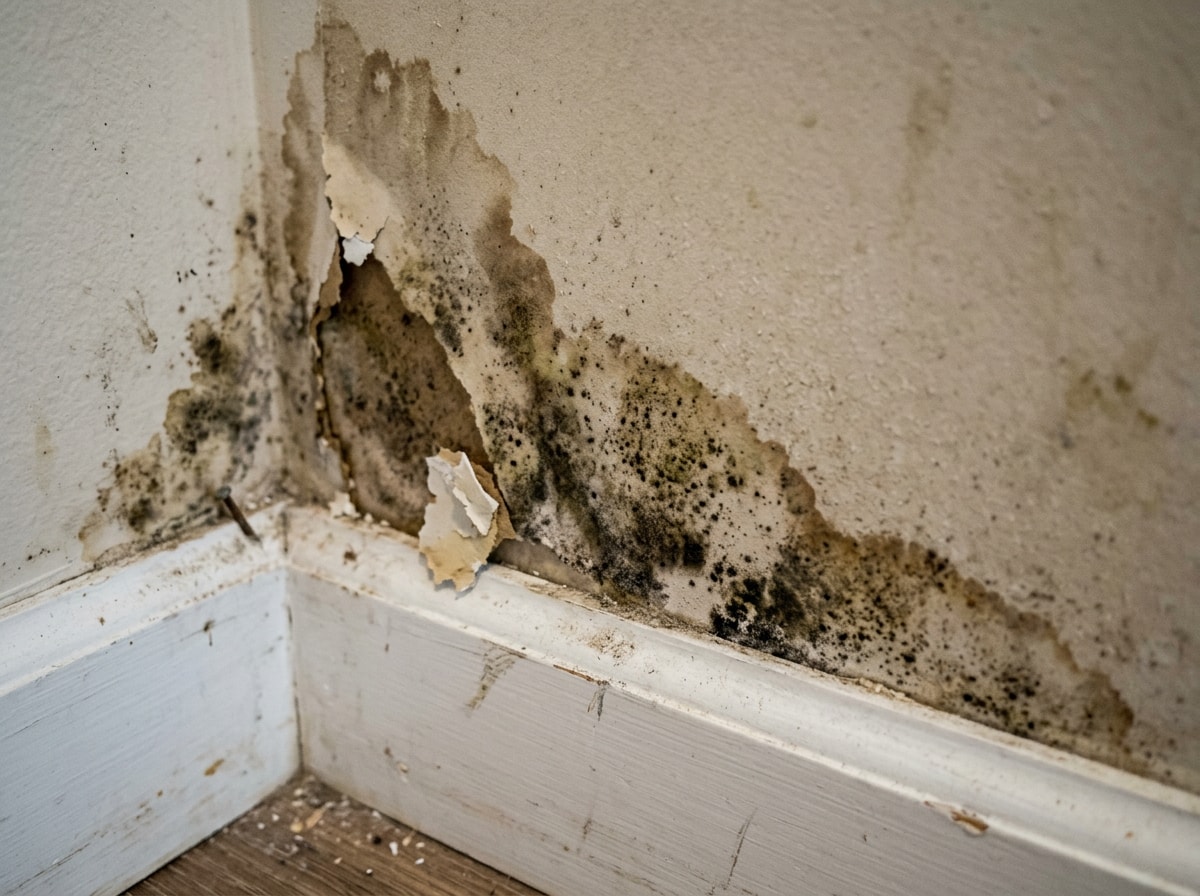
Dallas summers run hot and humid for months at a time, and that combination is exactly what mold needs to take hold once moisture gets behind a wall or under a slab. A roof leak, a slow plumbing drip, or a poorly vented bathroom can turn into a full colony in 24 to 48 hours.
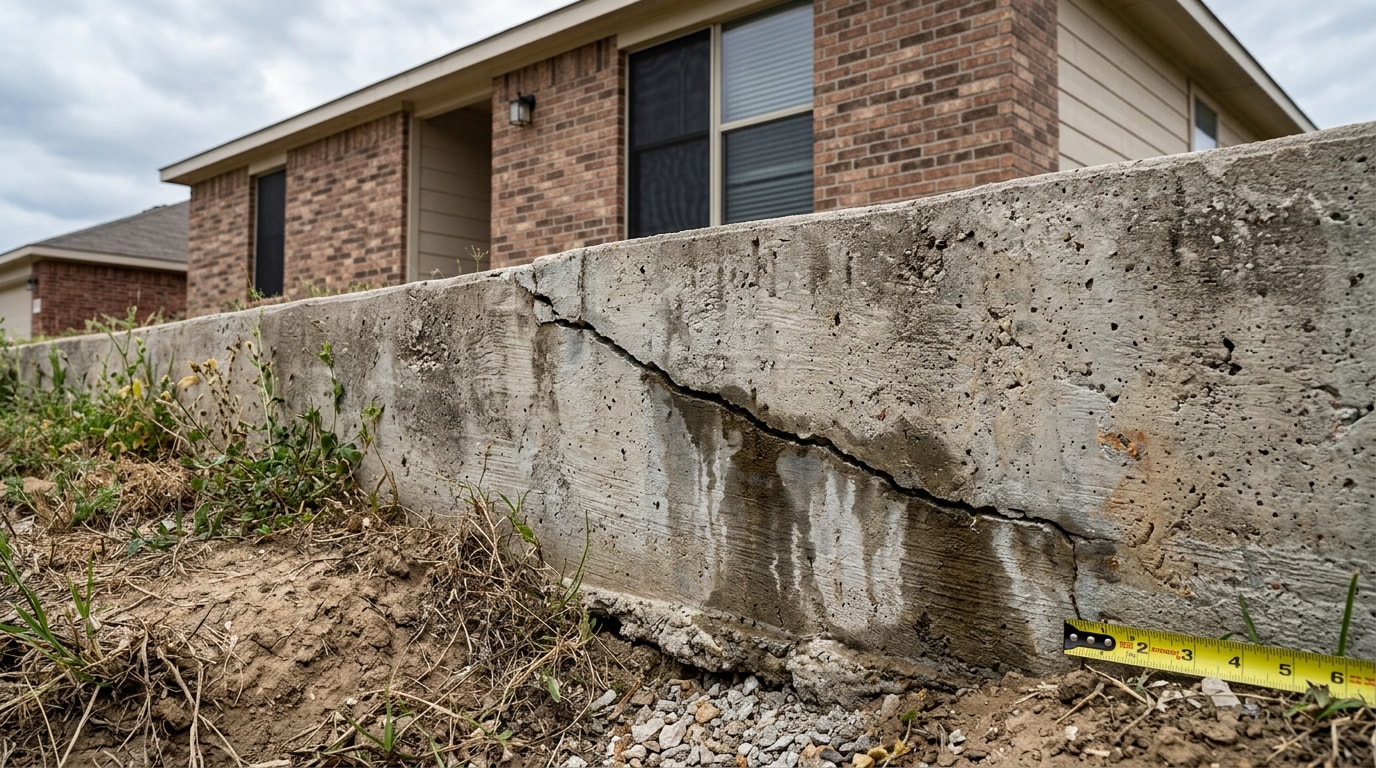
Older housing stock across Dallas-Fort Worth makes this worse. Original ductwork, aging roof flashing, and foundations that have shifted over decades all create entry points for water. Once that water sits, mold is rarely far behind, which is why moisture control and water damage restoration often go hand in hand with any serious mold job.
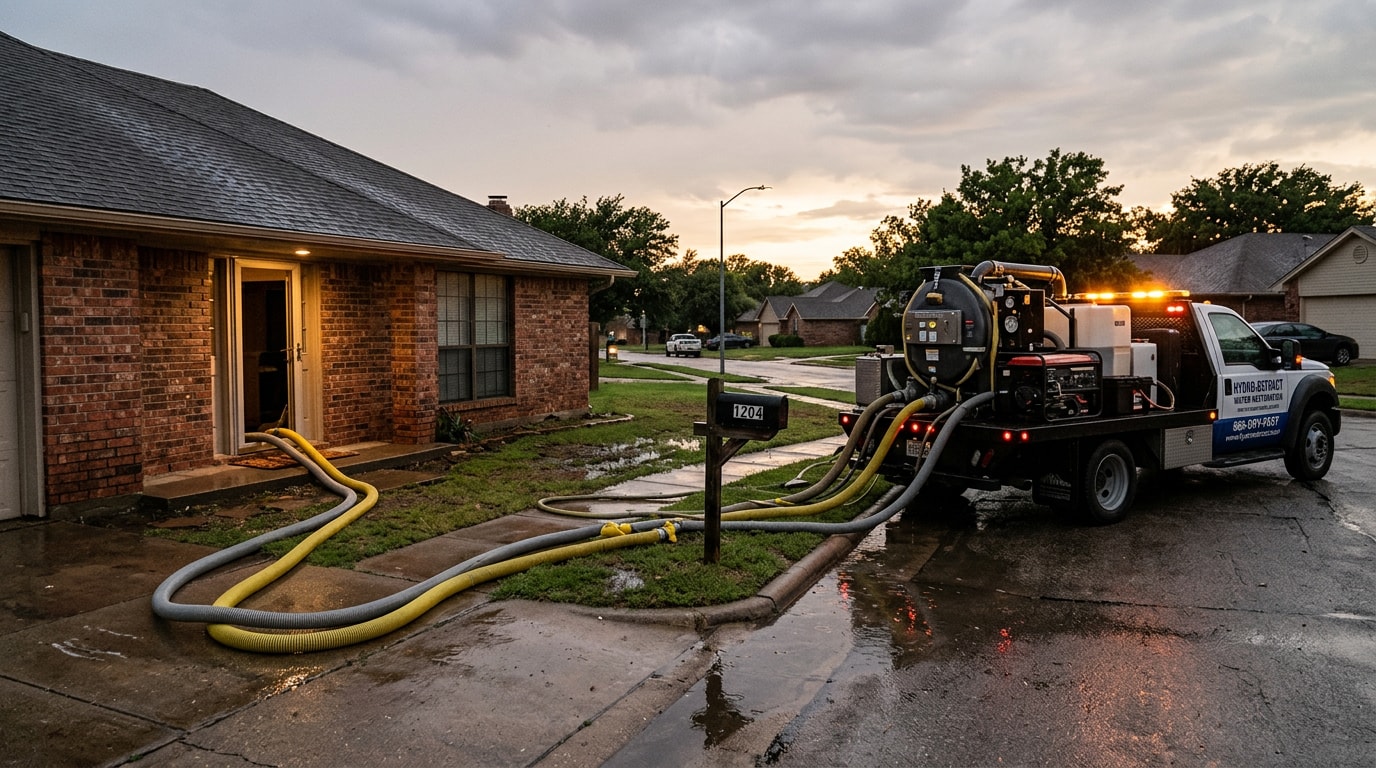
If your mold problem started with a flood, burst pipe, or storm damage, it's worth reading our guide on flood clean up in Irving, TX for a sense of how fast water damage escalates into a mold problem if it isn't dried out completely.
Texas Law on Mold Assessors and Remediators
Before you compare companies, understand the rule that shapes how all of them operate. Under Texas Occupations Code Chapter 1958, mold assessors and mold remediators must hold separate licenses issued by the Texas Department of Licensing and Regulation, and in most cases the same company cannot perform both jobs on one project.
The Texas Attorney General's consumer protection office spells this out directly for homeowners: all non-exempt mold assessors and remediators must be licensed by the Texas Department of Licensing and Regulation (TDLR), and consumers should be wary of possible conflicts of interest on the part of companies that provide multiple services, since a person may hold licenses but may not do both jobs on the same project.
This exists for a simple reason: a company shouldn't be able to "find" a mold problem during an inspection and then get paid to fix the problem it just found. TDLR's own licensing overview confirms the scope of this oversight, noting that a person must hold a mold remediation or mold assessment license to provide those services in Texas, and the industry is regulated to ensure that persons conducting mold assessment and remediation services are properly trained and licensed and follow minimum standards that protect the health of workers and building occupants .
Ask any company directly whether they're licensed as an assessor, a remediator, or both, and whether they're planning to split assessment and remediation across two separate licensed firms on your job. A company that gets vague about this is a company to cross off your list.
What to Look for in a Mold Treatment Company in Dallas
Licensing is the floor, not the finish line. Once you've confirmed a company is legally allowed to do the work, dig into how they actually do it.
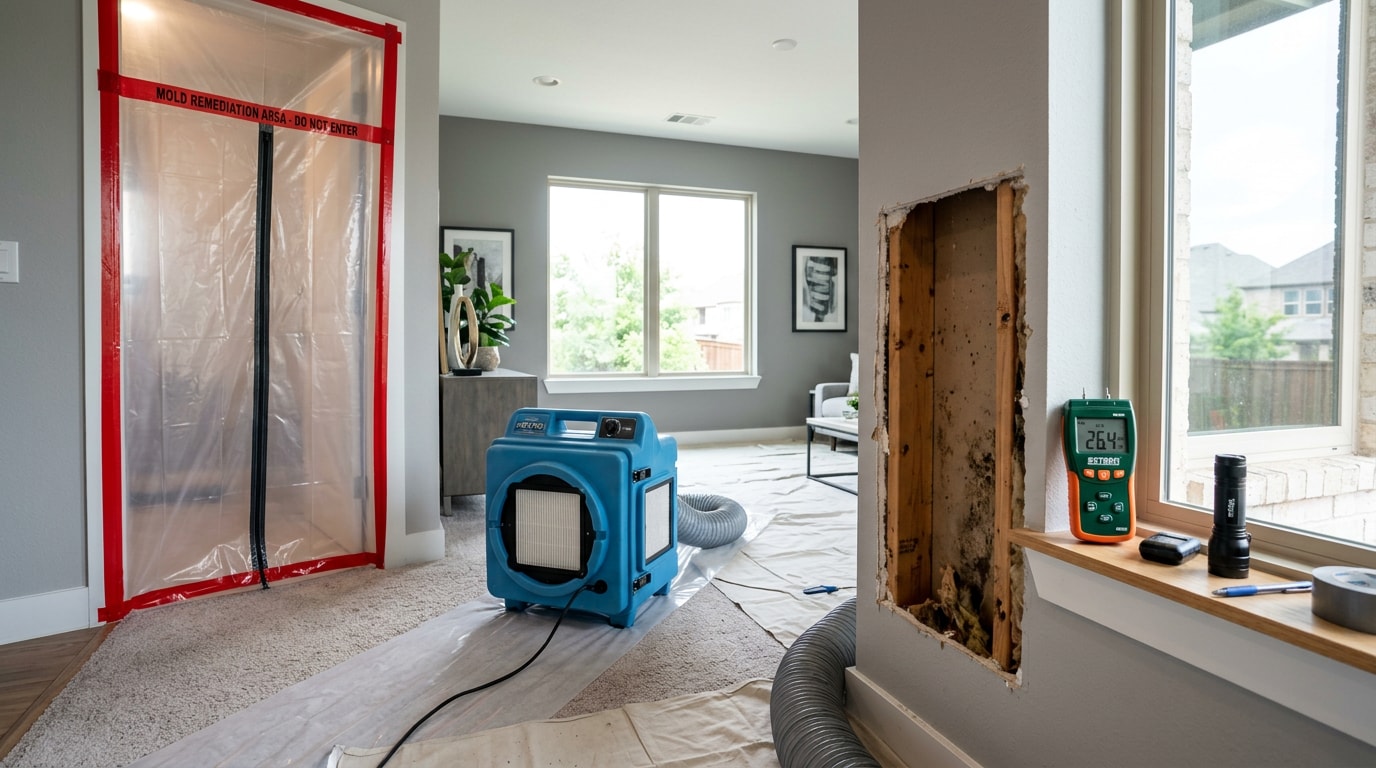
- Written scope before work starts. A real remediation protocol spells out the rooms involved, the materials being removed, and the containment method, not just a verbal estimate.
- Third-party lab verification. Air and surface samples should go to an independent lab, not get "eyeballed" by the same crew doing the removal.
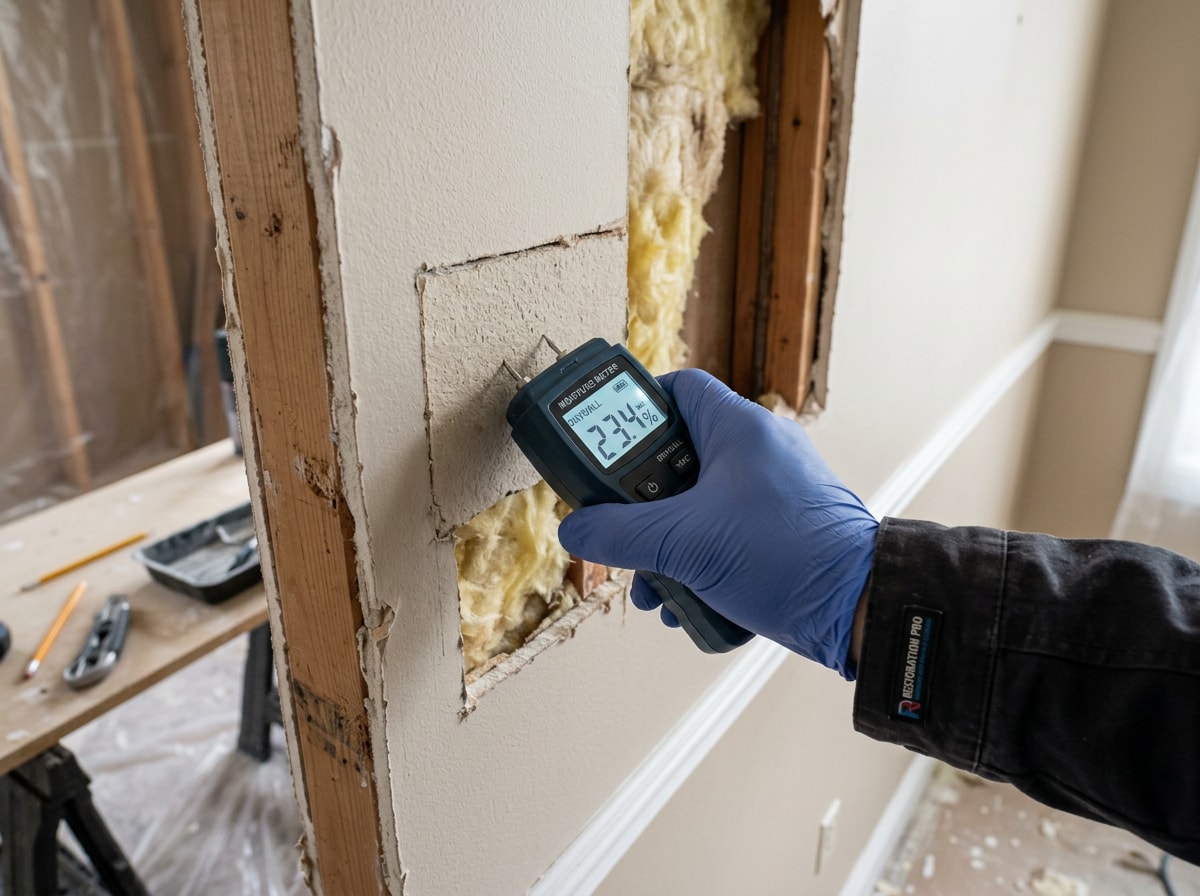
- Post-remediation clearance testing. The job isn't done until a separate test confirms spore counts are back to normal, not when the visible mold disappears.
- Moisture source repair, not just mold removal. If nobody touches the leak, the mold comes back. Ask who is fixing the water problem, and whether that's included in the quote.
- IICRC Certified Firm status, verified independently. Don't take a logo on a website at face value.
- Insurance documentation experience. If you're filing a claim, the company should know how to document the loss in a way your adjuster will accept.
On that last point, the IICRC maintains a public directory specifically because so many companies advertise credentials they don't hold. You do not have to take a website logo at face value; you can go to the IICRC Global Locator, search by ZIP code or company name, and confirm whether the firm is actually listed as an IICRC Certified Firm, since a company that claims certification but doesn't appear in the directory is a red flag worth questioning.
Types of Mold Treatment Companies in Dallas, TX
Not every provider is built for every job. Here's how the main categories break down so you can match the company to your property type.
| Company Type | Best Fit | Watch For |
|---|---|---|
| Full-service remediation and reconstruction firms | Homes or buildings needing removal plus repair (drywall, flooring, rebuild) | Confirm they don't skip clearance testing to move faster to the profitable reconstruction phase |
| National franchise brands | Large-scale jobs, multi-unit buildings, insurance-heavy claims | Local crew quality can vary by franchise owner; ask about the specific technicians assigned |
| Independent assessment-only firms | Pre-purchase inspections, insurance disputes, second opinions | Cannot legally also perform remediation on the same project under Texas law |
| Small local shops | Single-room or bathroom-scale mold, fast scheduling | Verify TDLR license and insurance directly since smaller shops may skip formal documentation |
A commercial property with a large HVAC system and a single-family home with a bathroom leak need different vetting entirely. Ask any mold inspection or mold remediation provider which category they fall into and whether their licensing covers your property type.
In our own field experience across Dallas-Fort Worth, the single biggest reason mold comes back within a year isn't sloppy removal work. It's a moisture source that never got fixed in the first place. That's why we treat mold removal and the underlying leak or humidity problem as one job, not two separate invoices.
What Mold Remediation Costs in Dallas, TX in 2026
Pricing depends heavily on where the mold is and how far it's spread. National cost data gives a reasonable planning range for most Dallas-area jobs.
| Mold Location | Typical Cost Range |
|---|---|
| Bathroom (surface only) | $500 - $1,000 |
| Crawl space | $500 - $2,000 |
| Basement | $500 - $3,000 |
| Attic | $1,000 - $4,000 |
| Wall cavity | $1,000 - $20,000 |
| HVAC system | $3,000 - $10,000 |
| Whole house | $10,000 - $30,000+ |
According to Angi's 2026 national cost data, mold remediation costs an average of $2,368 and typically ranges from $1,223 to $3,757 , with testing running an additional $250 to $350 on top of that. Treat these as planning figures. A written, line-item quote from a licensed Dallas provider after an on-site inspection is the only number you should actually budget against.
Red Flags That Signal You Should Walk Away
- A company offers a "free inspection" and pressures you to sign a remediation contract on the spot.
- They can't produce a TDLR license number when asked directly.
- No written protocol, just a verbal walkthrough and a price.
- They skip post-remediation clearance testing or call it "optional."
- The same company wants to both test for mold and remediate it on your project. Texas law generally doesn't allow this, and a company that doesn't know that is a company that doesn't know the rules.
If the EPA's own guidance is any indication, the agency is consistent that remediation only holds if the moisture problem gets solved too: the key to mold control is moisture control, and if mold is a problem in your home, you should clean up the mold promptly and fix the water problem. Any company that proposes removal without addressing the leak, the roof, or the humidity source is proposing a temporary fix.
The Bottom Line
The right mold treatment company for your Dallas property depends on your property type, your timeline, and whether insurance is involved, but the fundamentals don't change: verify the TDLR license, confirm the IICRC credentials independently, get the moisture source fixed, and don't accept a job that skips clearance testing. For homes and businesses across Dallas, TX and the broader Dallas-Fort Worth metro, that standard shouldn't change just because a quote is cheaper or faster.
Ready to get a licensed technician out to assess the problem? Get a free consultation and we'll walk the property, document what we find, and give you a written scope before any work begins.
Visit the Spotless Restoration USA homepage to see our full range of restoration services, or browse recent completed projects across the metro.
FAQ
How much does mold remediation cost in Dallas, TX?
Most Dallas-area mold jobs fall in line with national averages: around $2,368 on average, typically ranging from $1,223 to $3,757 , with bathroom-only jobs running as low as $500 and whole-house remediation reaching $10,000 or more. Get a written quote after an on-site inspection since square footage and location inside the home drive the real number.
Does homeowners insurance cover mold remediation in Texas?
It depends on the cause. Coverage usually applies when mold results from a sudden, accidental covered peril like a burst pipe, not from long-term neglect or a slow, unreported leak. Document the original water event with photos and dates before filing, and check your specific policy language for mold exclusions.
Is a Texas license required for mold remediation companies?
Yes. All non-exempt mold assessors and remediators must be licensed by the Texas Department of Licensing and Regulation (TDLR) . The state also separates assessor and remediator roles on the same project, so the company that tests for mold generally can't be the one that removes it.
What's the difference between mold removal and mold remediation?
"Mold removal" suggests total elimination, which isn't realistic since mold spores exist naturally almost everywhere. "Mold remediation" is the accurate term: it means bringing mold growth back down to normal levels and fixing the moisture source so it doesn't return, which is also the standard reflected in mold prevention work after a job is finished.
How long does mold remediation take?
A single bathroom or small area typically takes one to three days including containment, removal, and drying. Whole-house jobs involving HVAC systems or multiple rooms can run one to two weeks, plus additional time for post-remediation clearance testing before the space is cleared for normal use.
Can I remove mold myself instead of hiring a company?
For small, visible patches under about 10 square feet on a hard, non-porous surface, careful DIY cleanup with proper PPE is sometimes workable. Anything larger, anything involving HVAC systems or contaminated water, or any situation involving a household member with respiratory issues should go to a licensed professional instead.