Wind damage cleanup Dallas Fort Worth Metro, TX starts with one question: is it safe to even walk the property, or does a tarp need to go up before the next line of storms rolls through? If you're reading this with a damaged roof overhead, you need a clear sequence of steps, not a sales pitch. Here's what actually happens between the moment the wind dies down and the moment your home is back to normal.
What Wind Damage Actually Looks Like in North Texas
Most wind events here come from straight-line winds, derechos, and microbursts, not sustained hurricane-force systems. The National Weather Service notes that during strong thunderstorms, straight line wind speeds can exceed 100 mph , and even weaker gusts cause real damage: when winds are sustained at 40-50 mph, isolated wind damage is possible, and widespread significant wind damage can occur with higher wind speeds .
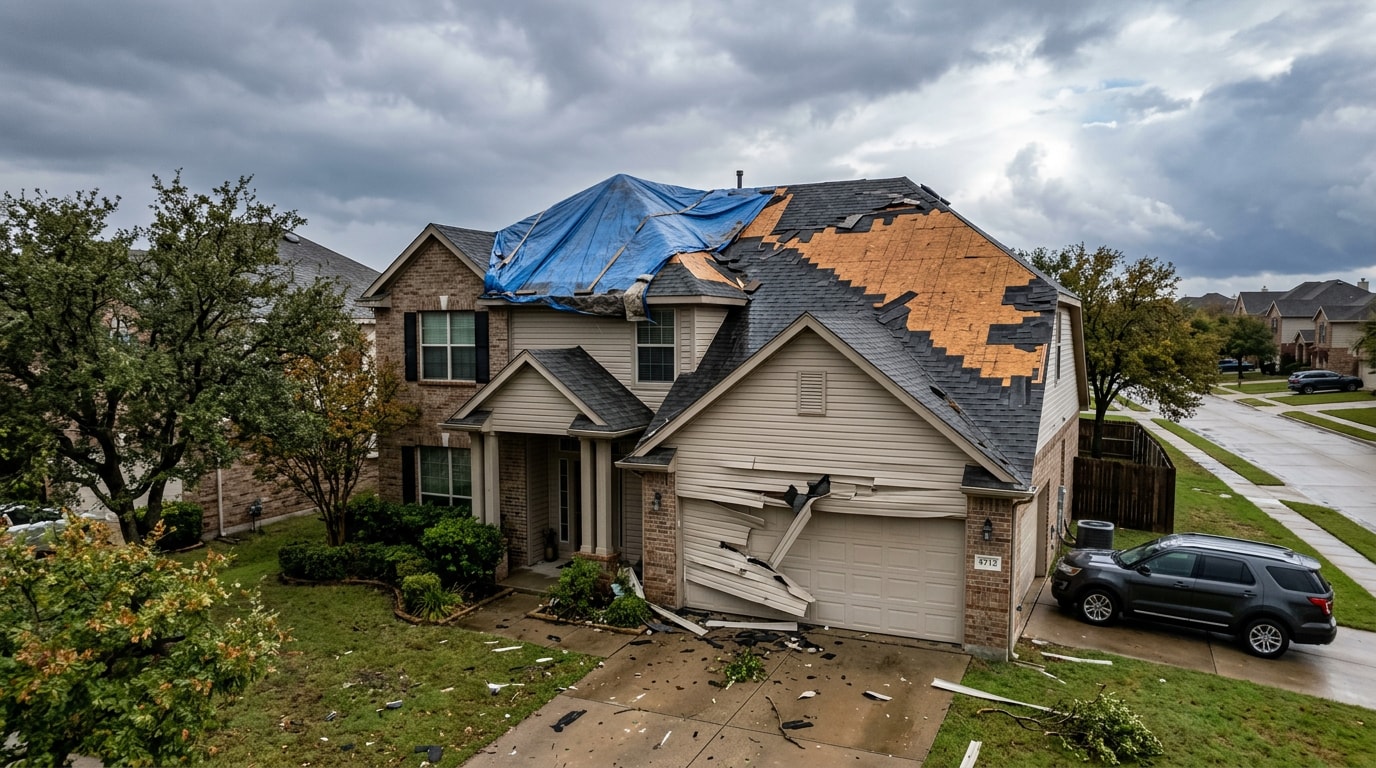
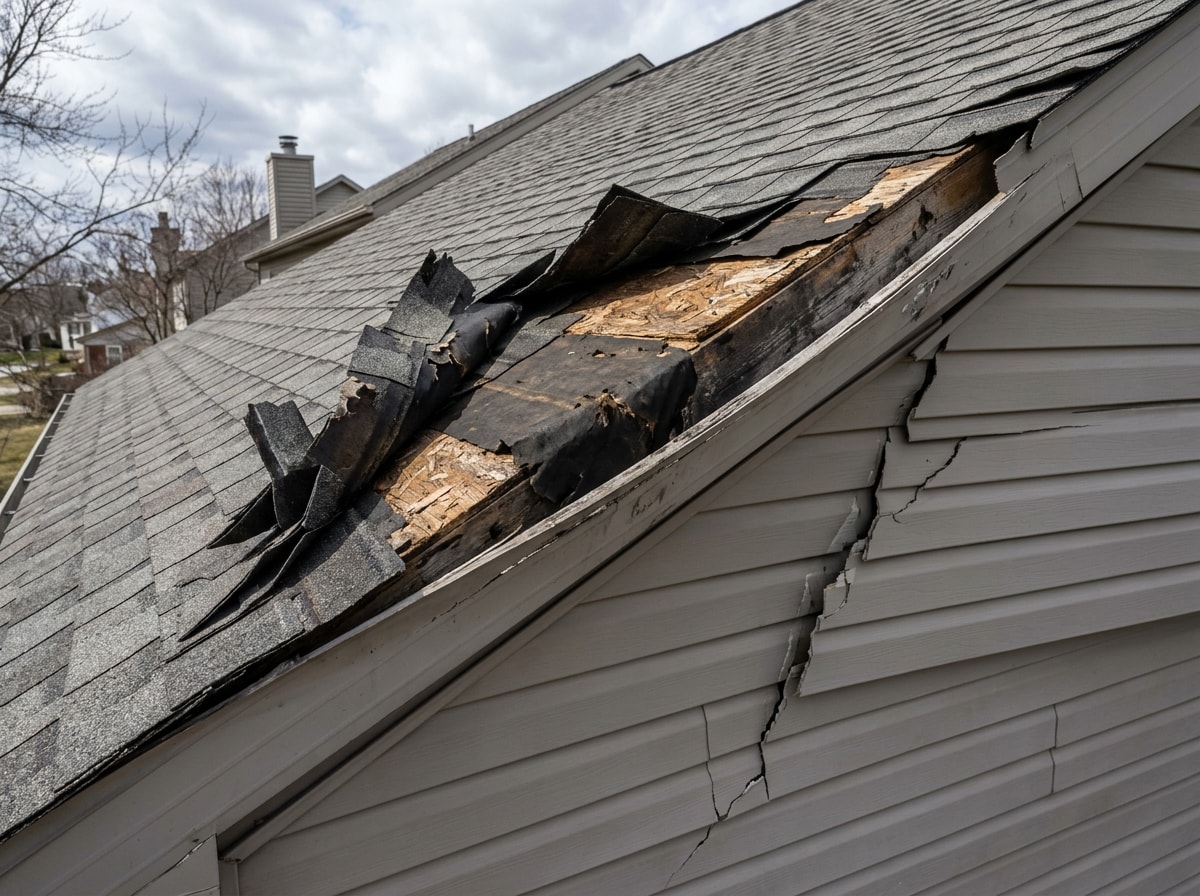
On a house, that usually shows up as torn or lifted shingles, dented or cracked siding, broken windows, and stress on the structural framing. Roof damage is almost always the entry point for water intrusion, which is why it's the first thing a restoration crew checks. Siding damage and broken windows follow close behind, especially on the side of the house that faced the wind. Structural stress, things like a sagging roofline or a shifted fascia board, is less obvious from the ground but matters more, which is why a professional water damage inspection is worth scheduling even when the damage looks cosmetic.
Occasionally the remnants of a Gulf system push wind-driven rain into North Texas, and the cleanup picks up a drying component on top of the usual repair work.
What to Do in the First Hour After Storm Damage
The first hour sets the tone for the whole claim. Work through it in order:
- Check for hazards first. Stay away from downed power lines, sagging tree limbs, and any part of the structure that looks unstable. OSHA's storm and debris cleanup safety resources are worth a quick read before you walk the property, especially around electrical lines.
- Photograph everything. Roof damage, broken windows, fence lines, fallen debris. This becomes the backbone of your insurance claim.
- Call your insurer. Report the claim and get a claim number before anything is moved or repaired.
- Call a restoration company for emergency tarping and board-up. This stops the damage from getting worse while you wait on the adjuster.
That sequence, safety, photos, insurer, tarp, is the core of every solid storm checklist, and skipping a step almost always costs more later. If you need someone on the phone now, get a free consultation and a crew can start documenting the damage the same day.
The 5-Step Wind Damage Cleanup Process
A professional cleanup follows a defined sequence rather than a patch-it-and-hope approach. Response-time claims vary a lot by company and by how widespread the storm is, so treat the table below as a realistic range, not a guarantee from any single business.
| Process Step | Commonly Marketed Response | Realistic DFW Timeline |
|---|---|---|
| Initial emergency dispatch | 45–90 minutes | 60–120 minutes (longer during widespread storms) |
| Tarping/board-up completion | Same day | Same day to next morning |
| Water mitigation start | Within 4 hours | 4–12 hours depending on crew availability |
| Reconstruction scheduling | 1–3 days after assessment | 3–7 days, pending insurance approval |
| Insurance sign-off | Varies by adjuster | 1–3 weeks typical |
1. Emergency Response and Damage Assessment
The process starts with a thorough inspection of the roof, exterior structures, signs of water intrusion, and any debris impact. Many crews now use drone roof inspections to assess steep or unsafe sections without putting anyone on a damaged roof, which speeds up documentation.
2. Emergency Mitigation and Property Stabilization
Once the assessment is done, the priority shifts to stopping further damage: roof tarping, board-up for broken windows and doors, water extraction if rain got in, and temporary structural protection. This stage secures the property; it isn't a repair.
3. Water Mitigation and Drying
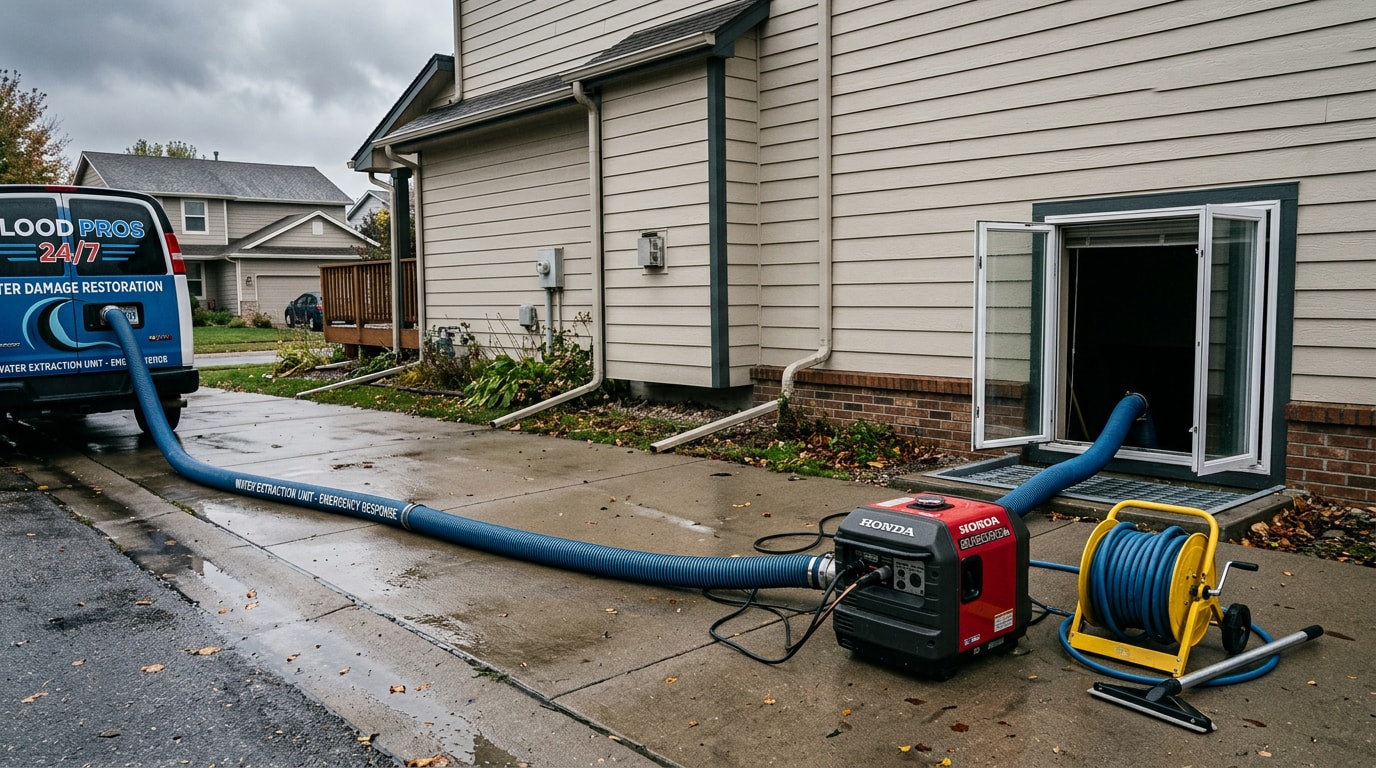
Wind-driven rain finds its way through compromised roofing or siding more often than homeowners expect. Crews use moisture detection equipment, industrial air movers, and dehumidifiers to pull hidden moisture out of walls, insulation, and subflooring through structural drying services. Skipping this step is one of the most common reasons mold shows up weeks later, which is why moisture control is checked before a project is closed out. If the wind event caused interior flooding, our guide on basement flood clean up in Fort Worth covers what that drying process looks like in more detail.
4. Restoration and Reconstruction
With the property stabilized and dried, the rebuild begins: roofing replacement, siding repair, drywall, flooring, and other home reconstruction work needed to bring the house back to pre-loss condition. Scope varies widely. A roof-only claim might wrap in a couple of weeks, while major structural work can take months.
5. Insurance Coordination and Project Completion
Throughout the process, a reputable crew works directly with your adjuster, documents damage thoroughly, and in many cases bills the insurer directly so you're not fronting the full cost. This step often determines how quickly a claim closes. For broader water-related cleanup needs tied to the same storm, see our water damage restoration services.

What Wind Damage Cleanup Costs in DFW
Costs vary by severity, but the order holds steady across most jobs: emergency tarping and board-up is the lowest-cost line item, water intrusion cleanup and drying costs more depending on square footage affected, and full rebuilds involving structural damage run highest. Get a written, itemized estimate before any crew starts, since scope can shift once hidden damage turns up.
Most homeowner policies cover sudden wind damage, but a separate flood policy through the National Flood Insurance Program is required for rising-water events, a distinction that trips up a lot of claims. Wind and hail deductibles in Texas are also frequently structured as a percentage of your dwelling coverage rather than a flat dollar figure, which can change your out-of-pocket cost significantly. After a round of severe North Texas storms, the Texas Department of Insurance addressed questions about deductibles, noting that insurers have the ability to make decisions on deductibles on a case-by-case basis . In fact, in situations where an insurer has not adjusted a first claim or repairs haven't been made yet, an insurer can waive applying a second deductible for a follow-up storm, something few homeowners know to ask about.
Storm Damage Service Areas Across DFW
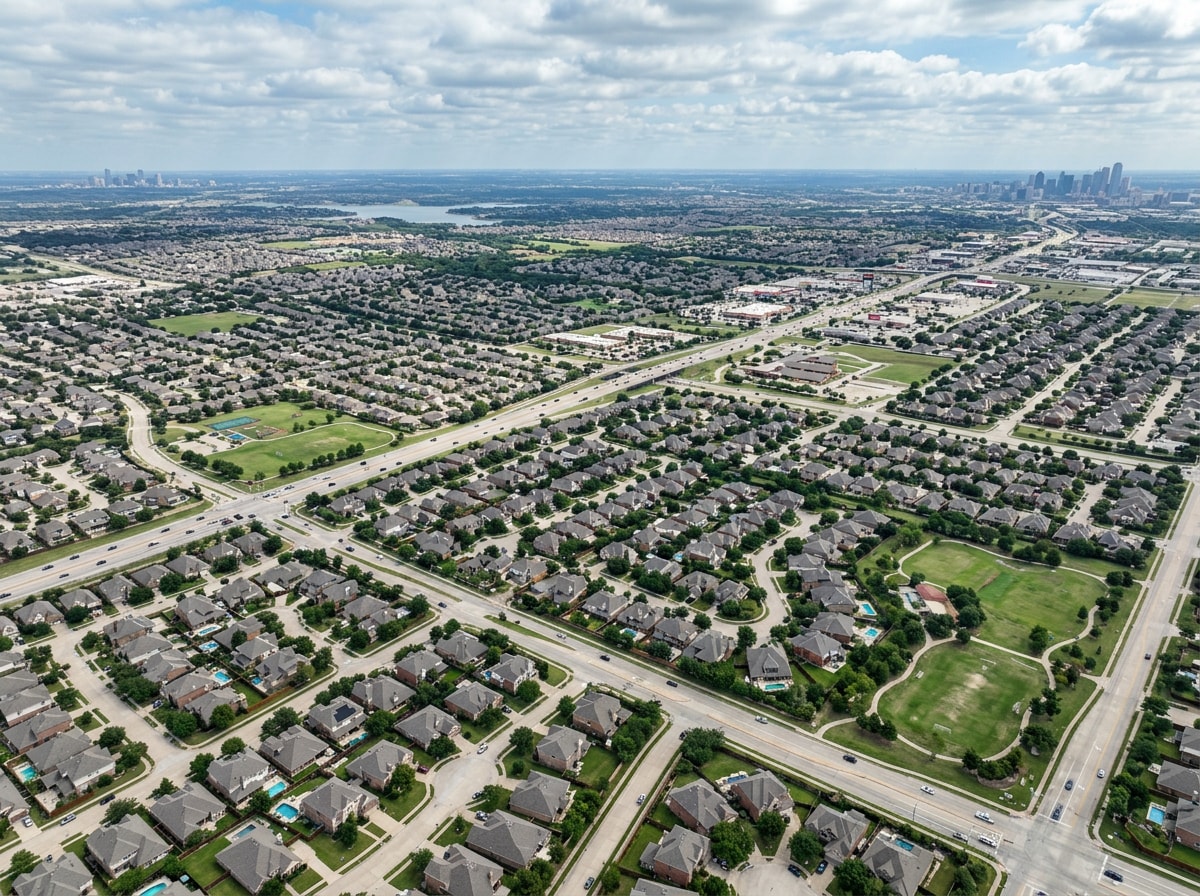
Coverage across the Metroplex stretches from downtown Dallas and Fort Worth out through Plano, Arlington, Irving, and the surrounding suburbs, spanning Dallas, Tarrant, Collin, Denton, and Rockwall counties. Crews are positioned regionally rather than dispatched from a single hub, which shortens arrival times when a wide storm system hits multiple cities at once. Check our full Dallas Fort Worth Metro service area page if you're unsure whether your address falls inside an active zone, or visit our homepage for a full list of services. You can also browse past projects to see completed wind and storm damage repairs.
Our crews responding to wind events across the Metroplex have seen the same pattern repeat: the homes that come out ahead financially are the ones where someone documented damage and called for tarping within the first hour, not the ones that waited to see if the roof "held up okay." If you want help identifying what's actually structural versus cosmetic, our general construction team can walk the property alongside the restoration crew.
FAQ
How quickly can restoration crews respond to wind damage in Dallas-Fort Worth?
Most established companies offer 24/7 emergency response, with arrival times commonly ranging from 45 to 120 minutes under normal conditions. During major regional storm events, response times stretch because crews are pre-staged but spread thin across a wide metro, so expect delays when an entire region gets hit at once.
What types of storm damage do restoration crews handle?
Wind damage to roofs and siding, hail damage, tornado damage, lightning strikes, flooding from heavy rain, fallen tree impact, and broken windows and doors all fall within scope. The repair approach differs by damage type, but the emergency stabilization steps (tarping, board-up, water extraction) are largely the same.
Does insurance cover wind damage cleanup?
Most homeowner policies cover sudden wind and hail damage, and restoration companies typically work directly with insurers, providing photos, video, and detailed estimates to support the claim. Your actual out-of-pocket cost depends heavily on whether your wind/hail deductible is a flat dollar amount or a percentage of your dwelling coverage, so check your declarations page before you assume a number.
What does wind damage cleanup usually involve?
It generally involves repairs to roofing, siding, windows, and structural components, plus restoring interiors damaged by water or debris and securing the property against further loss. Most jobs also include water extraction, drying, and mold prevention checks before reconstruction starts. For a related breakdown of terminology, see our post on what remediation means in construction.
How much does wind damage cleanup cost in DFW?
There's no single number, since cost depends on square footage affected and whether structural repairs are needed. Emergency tarping and board-up run lowest, water mitigation costs more based on how much of the structure got wet, and full rebuilds involving structural damage cost the most. An itemized, written estimate after inspection is the only reliable way to know your number.
How long does wind damage repair take from start to finish?
Simple roof and siding repairs can wrap in one to two weeks once insurance approves the scope. Jobs involving structural reconstruction or extensive water damage can take several months, particularly if materials are back-ordered or the insurance review drags on.