Natural disaster recovery companies in Irving, TX handle the hours right after a storm, fire, or flood when every minute of delay adds cost and risk. Irving sits inside the Dallas County flash-flood corridor and takes direct hits from hail, straight-line winds, and the occasional tornado most storm seasons. This guide breaks down what these companies actually do, what separates a qualified crew from a pop-up contractor, and how to keep an insurance claim from stalling your repair.
What Natural Disaster Recovery Companies in Irving, TX Actually Do
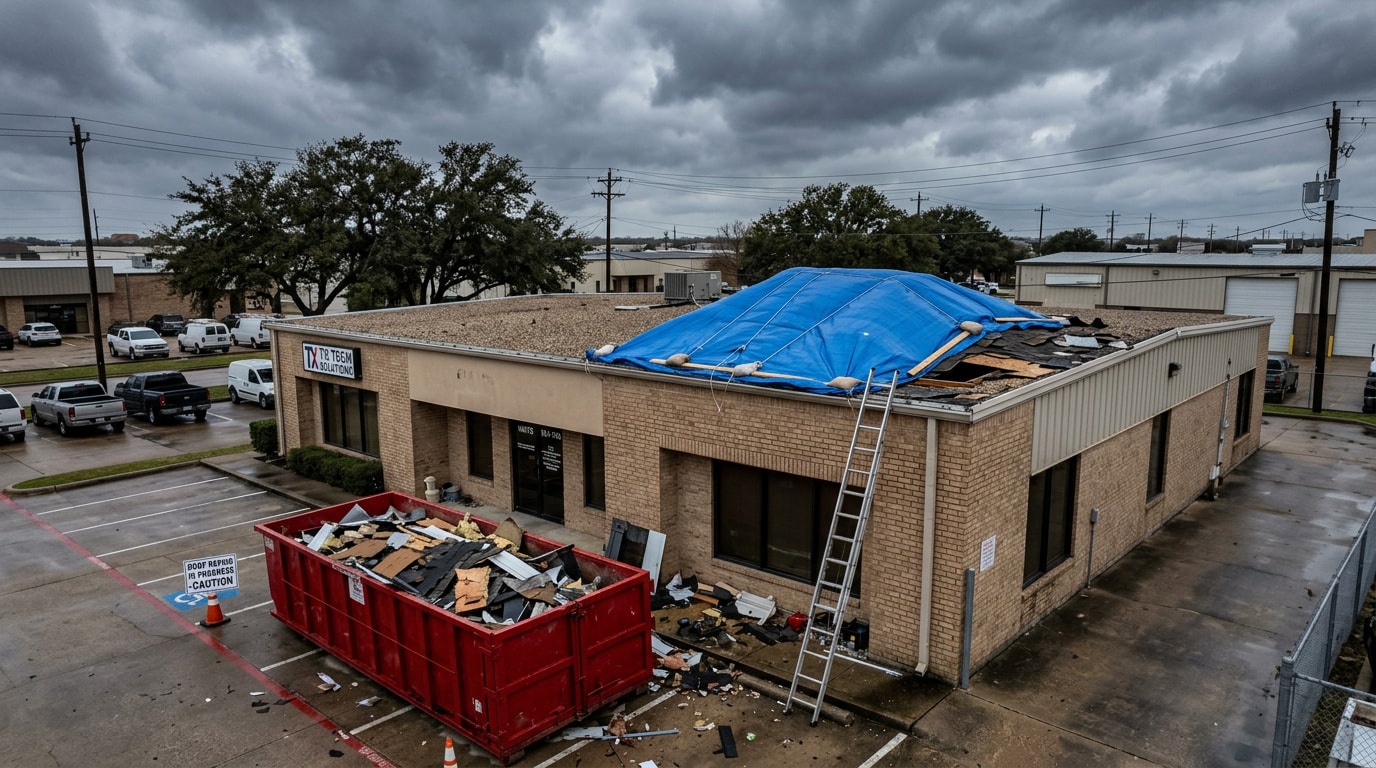
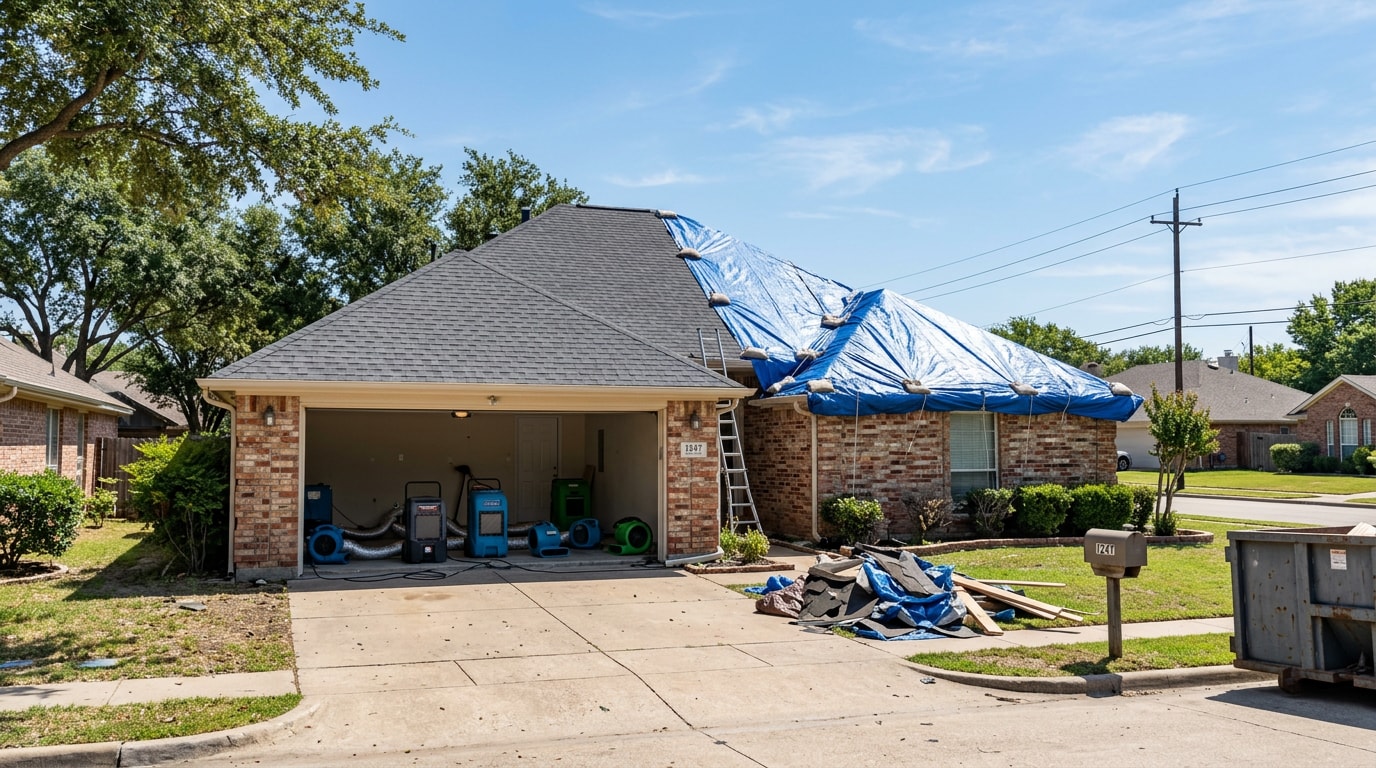
A disaster recovery company's job starts long before the rebuild. The first 24 to 48 hours are mitigation: stopping water from spreading, boarding up broken windows, tarping a damaged roof, and pulling out anything that's actively making the damage worse.
From there, the work splits into two phases:
- Mitigation — emergency extraction, drying, debris removal, and securing the structure
- Restoration — repairing or rebuilding what mitigation couldn't save
Crews that handle both phases under one roof tend to move faster than homeowners who have to coordinate a mitigation company, then a separate general contractor, then a painter. You can see the full scope of disaster-related repair work on the Spotless Restoration USA homepage.
Why Irving Needs Disaster Recovery Specialists
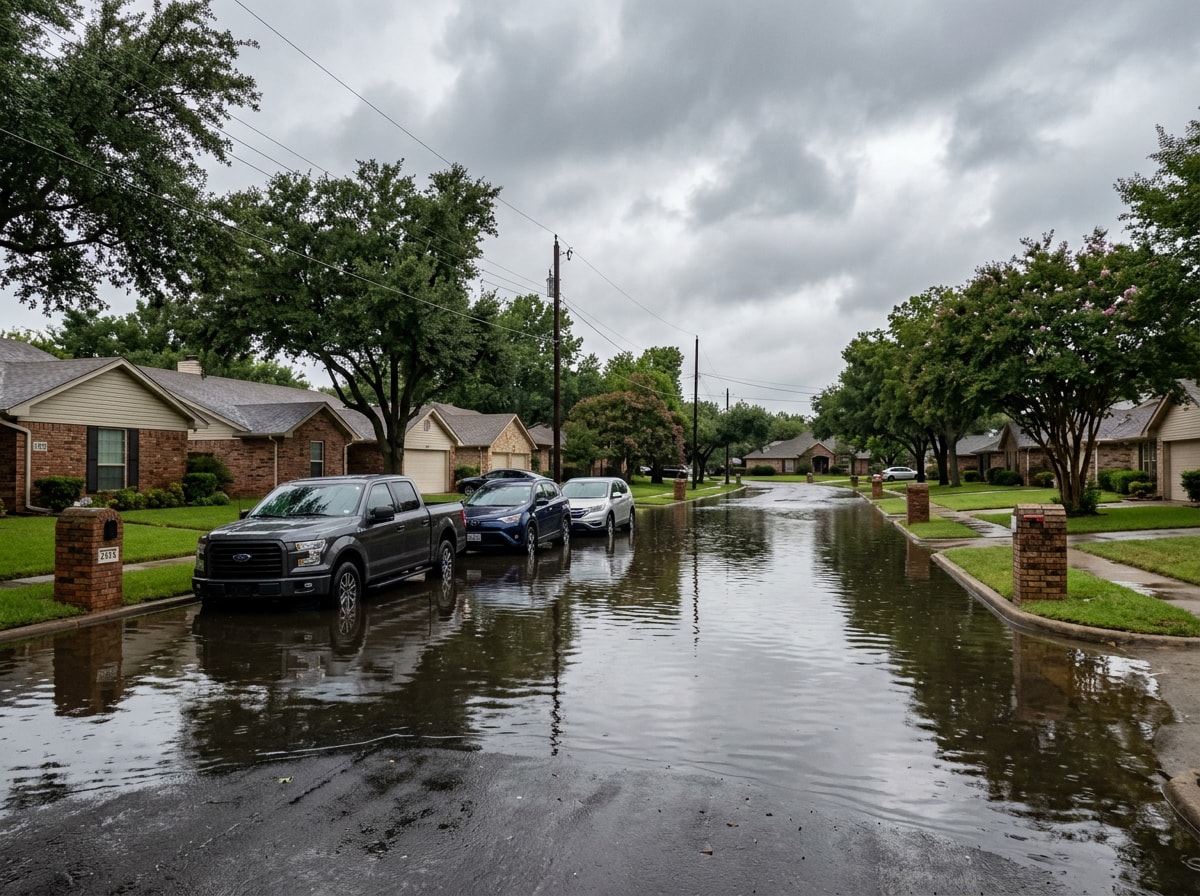
Irving's risk profile isn't hypothetical. Dallas County was named a primary county eligible for federal disaster assistance after severe storms, straight-line winds, tornadoes, and flooding beginning in April 2024 . That declaration covered real property damage across the county, Irving included, and it's a reminder that storm damage here isn't a once-a-decade event.
Fire risk tells a similar story nationally. In 2024, home structure fires caused $11.4 billion in direct property damage, and a home structure fire was reported every 96 seconds on average . Smoke and soot don't wait for a convenient time, and neither should the response.
Flooding adds its own complication: most homeowner policies don't cover it. The National Flood Insurance Program (NFIP) is managed by FEMA and delivered to the public through a network of insurance companies and the NFIP Direct , and it's a separate policy from standard homeowners coverage. Property owners in Irving who assume their regular policy covers flood damage are often the ones left paying out of pocket after a storm.
Core Services to Expect From a Qualified Recovery Company
Every reputable natural disaster recovery company in Irving builds its work around a handful of core disciplines. Each one requires different equipment, timelines, and training.
Water Damage Restoration
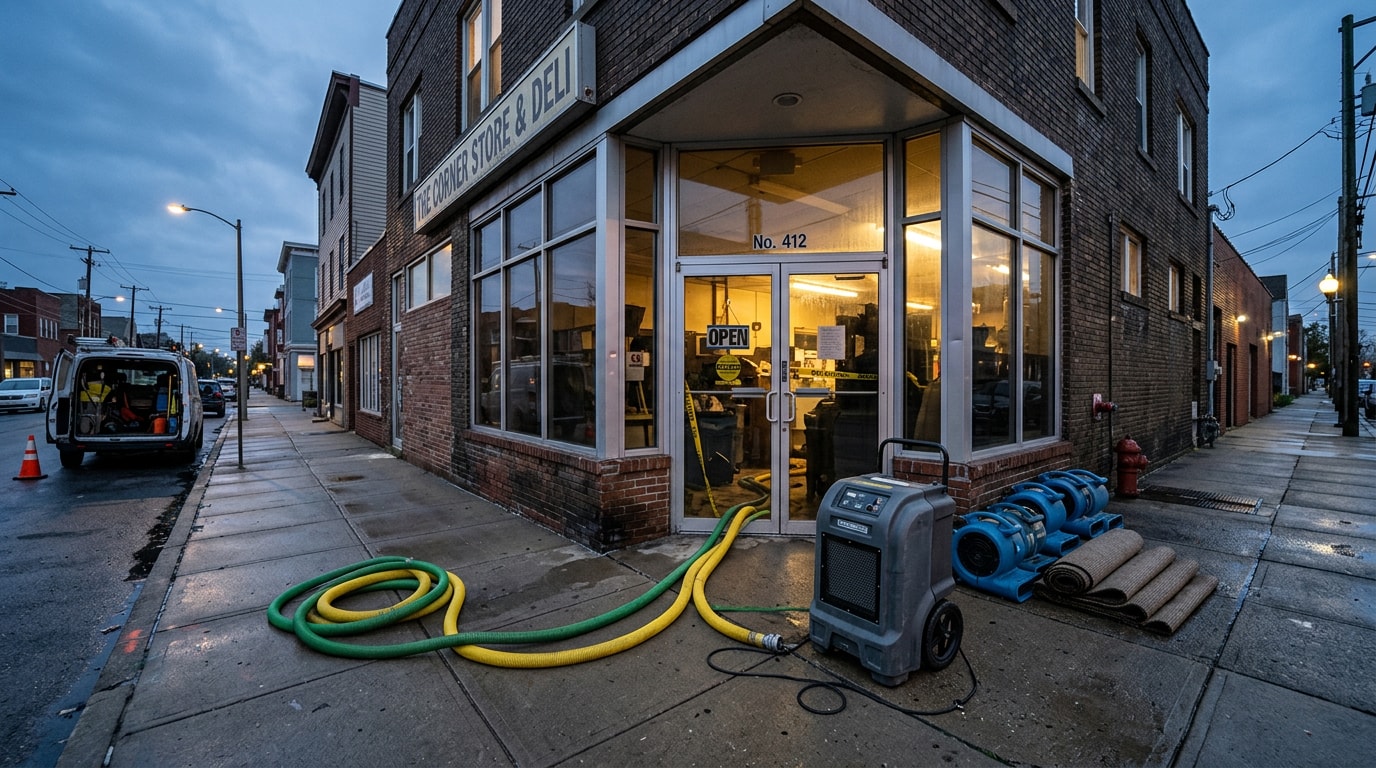
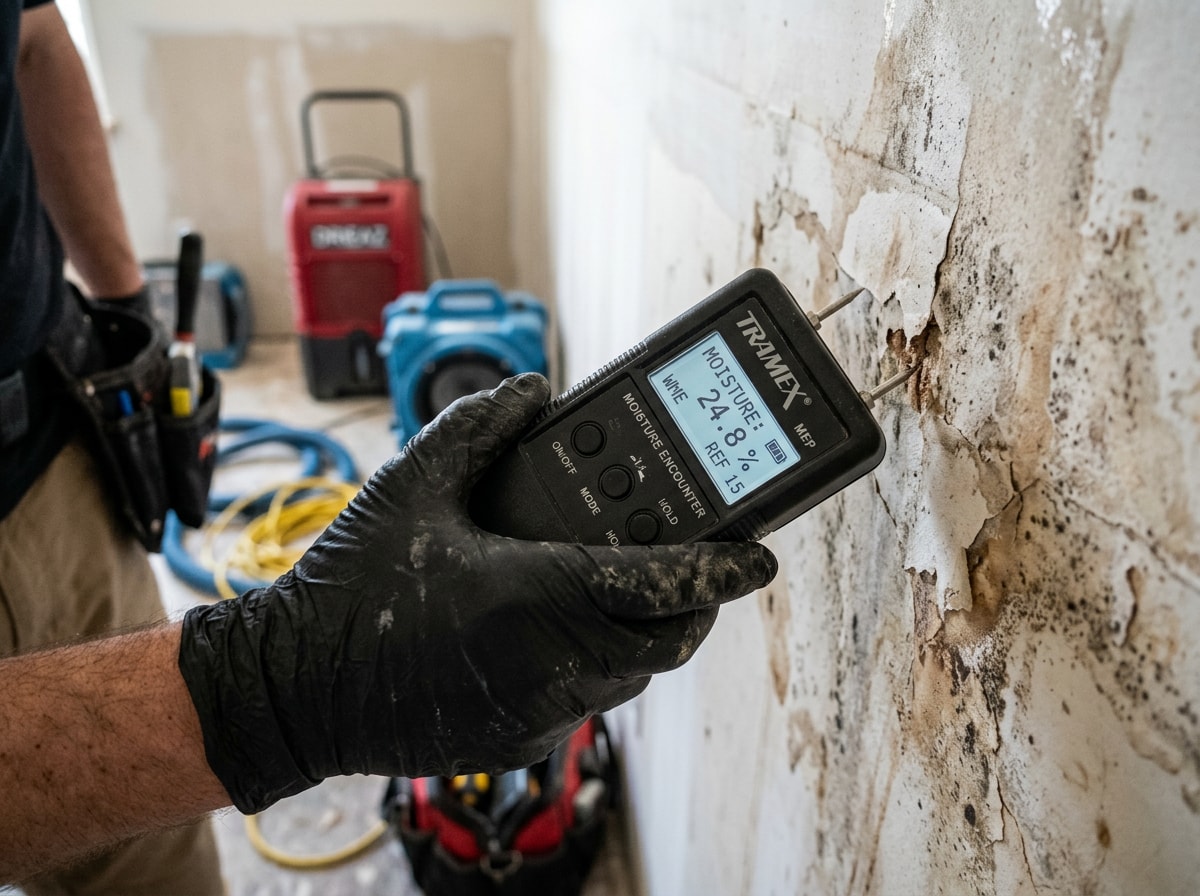
Water damage restoration starts with emergency extraction, then moves into structural drying and dehumidification to get ahead of mold growth. Professional crews follow the IICRC's S500 standard, which classifies water by contamination level and drying difficulty rather than guesswork. That standard is what separates a realistic drying timeline from a vague promise.
- Water Damage Restoration
- Emergency Water Removal
- Flood Damage Repair
- Water Damage Inspection
- Structural Drying Services
In the field, moisture that looks dry on the surface is often still saturated behind baseboards and under flooring days later. That's why a moisture meter check, not just a visual walkthrough, should be standard before a job is called finished.
Fire Damage Restoration
Acidic soot residue starts etching metal, plastic, and painted surfaces within hours of a fire. Speed matters here as much as technique. A full fire restoration plan addresses both the visible char and the odor that settles into drywall, insulation, and fabric long after the smoke clears.
- Fire Damage Restoration
- Smoke Damage Cleanup
- Soot Removal
- Fire Damage Reconstruction
- Fire Damage Inspection
Storm and Flood Damage
North Texas storm season brings wind, hail, fallen trees, and flash flooding capable of damaging a roof, siding, and foundation in a single afternoon. Storm response usually starts with emergency tarping or board-up to prevent the damage from spreading while a full inspection gets scheduled. Hail damage in particular hides beneath shingles, so a trained eye on the roof matters more than a glance from the driveway.
Mold Remediation
Any water event left untreated for more than 24 to 48 hours creates mold risk, especially in North Texas humidity. A recovery company should catch this before it becomes its own separate problem.
Rebuild and Reconstruction
Once mitigation is complete, damaged structures often need framing repair, drywall, flooring, or a full remodel before a property is livable again.
How to Choose Between Natural Disaster Recovery Companies in Irving, TX
Not every company that shows up with a van and a wet-vac is equipped to handle a full disaster claim. Use this table to compare what you're actually being offered.
| What to Check | Why It Matters |
|---|---|
| IICRC certification | Confirms technicians follow standardized protocols for water, fire, and mold work rather than learning on the job |
| 24/7 live response | Water and fire damage worsen by the hour; a voicemail at 2 a.m. costs you real money |
| Licensed and insured | Protects you financially if equipment damages your property or a worker is injured on-site |
| Direct insurance billing | Reduces your out-of-pocket costs while a claim processes |
| Written scope of work | Prevents scope creep and surprise charges mid-project |
| Local Irving/DFW presence | Faster arrival times and familiarity with local permitting and building codes |
A company that checks every box on paper but shows up late or communicates poorly isn't actually solving your problem. The best disaster recovery teams pair technical credentials with clear, steady communication from the first call to the final walkthrough.
Insurance Claims: What to Expect
Filing a claim after a storm, fire, or flood is rarely simple, and paperwork alone can delay repairs for weeks. A reputable restoration company will:
- Document damage thoroughly with photos, moisture readings, and detailed notes
- Communicate directly with your adjuster on your behalf
- Provide a written scope and estimate that matches the adjuster's assessment
- Offer direct insurance billing where available to reduce upfront costs
Coverage always depends on your specific policy, so no restoration company can guarantee a claim's outcome. If your damage involves flooding specifically, confirm whether you're covered under a separate NFIP policy before assuming your homeowners policy applies. For a deeper walkthrough of the claims and cleanup process in this market, see the Flood Clean Up in Irving, TX guide.
Ready to get a damage assessment started? Request a consultation and a technician can walk the property with you before you sign anything with an adjuster.
Areas We Serve
Storm and flood damage doesn't respect city lines, and most Irving-based recovery companies extend coverage across the broader metro.
You can also browse completed jobs on the projects page to see the scope of work other Irving-area properties have gone through.
FAQ
What does a natural disaster recovery company include in its service?
Disaster recovery typically includes emergency mitigation (water extraction, board-up, tarping), structural drying, smoke and soot removal, debris disposal, mold prevention, and full structural repair. The goal is addressing both visible damage and hidden issues, like trapped moisture, that cause bigger problems later.
How much does natural disaster recovery cost in Irving, TX?
Cost depends on the type and extent of damage, but most companies offer a free on-site inspection and a written estimate before work begins. Direct insurance billing can significantly reduce what you pay out of pocket if your claim is approved.
Does homeowners insurance cover natural disaster damage?
It depends on the disaster. Wind, hail, and fire damage are usually covered under a standard homeowners policy. Flood insurance is specific to flooding since most homeowners insurance does not cover flood damage , so flood damage typically requires a separate NFIP or private flood policy.
How fast should I call a restoration company after a storm or fire?
As soon as it's safe to do so. Water damage can start growing mold within 24 to 48 hours, and soot becomes harder to remove from surfaces the longer it sits. Most reputable companies run 24/7 emergency lines for exactly this reason.
Are disaster recovery services available for both homes and businesses?
Yes. Residential and commercial restoration use the same core techniques, though commercial jobs usually involve more square footage and tighter timelines to limit business downtime.
Do restoration companies work directly with my insurance adjuster?
Most do. They document the damage, prepare a detailed scope of work, and communicate directly with the adjuster to keep the claim moving. That said, the final claim decision always rests with the insurance company, not the restoration contractor.
What's the difference between mitigation and restoration?
Mitigation is the emergency response that stops damage from spreading, like water extraction or board-up. Restoration is the repair and rebuild work that follows once the property is stabilized. A company that handles both avoids the delay of switching contractors mid-project.
---
This guide was reviewed by the Spotless Restoration USA team, IICRC-trained technicians serving Irving and the greater Dallas-Fort Worth metro. Questions about a specific property? Contact us for a free damage assessment.