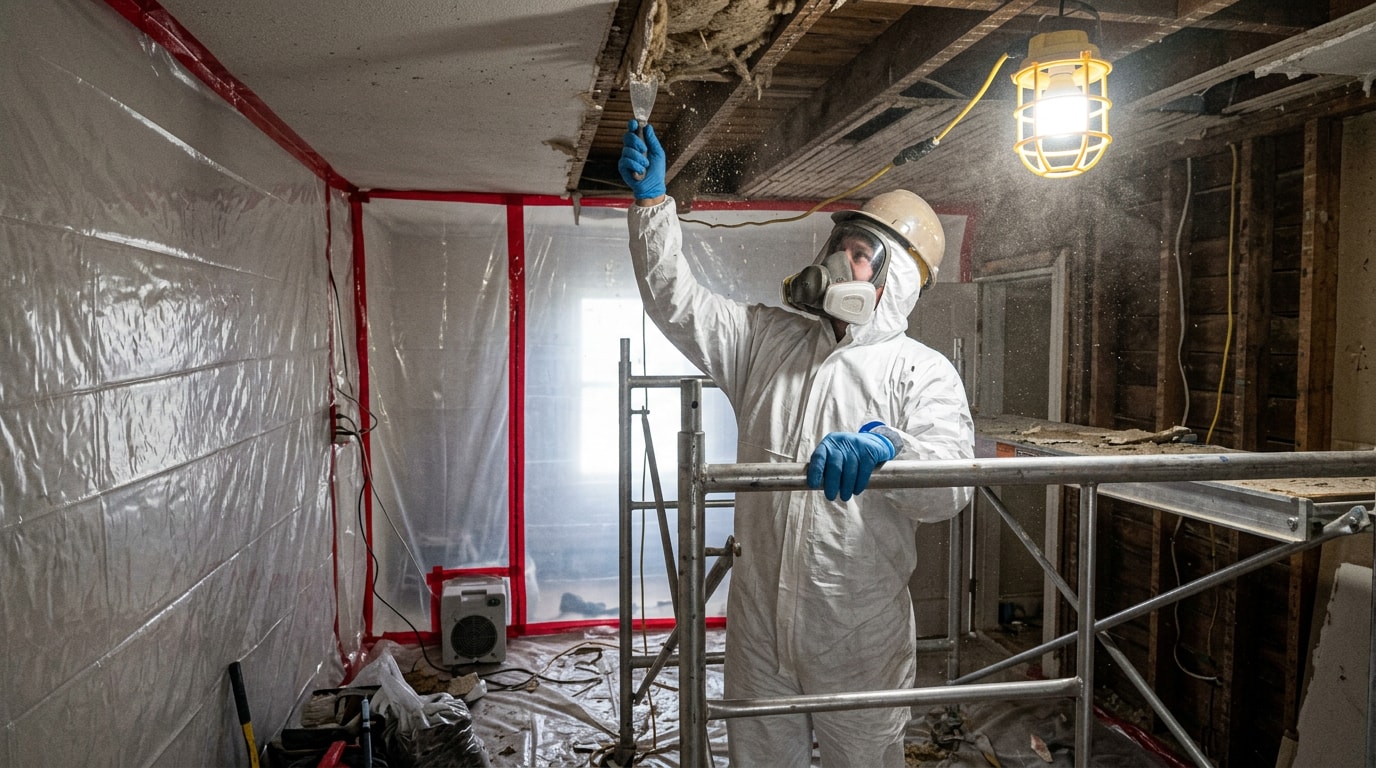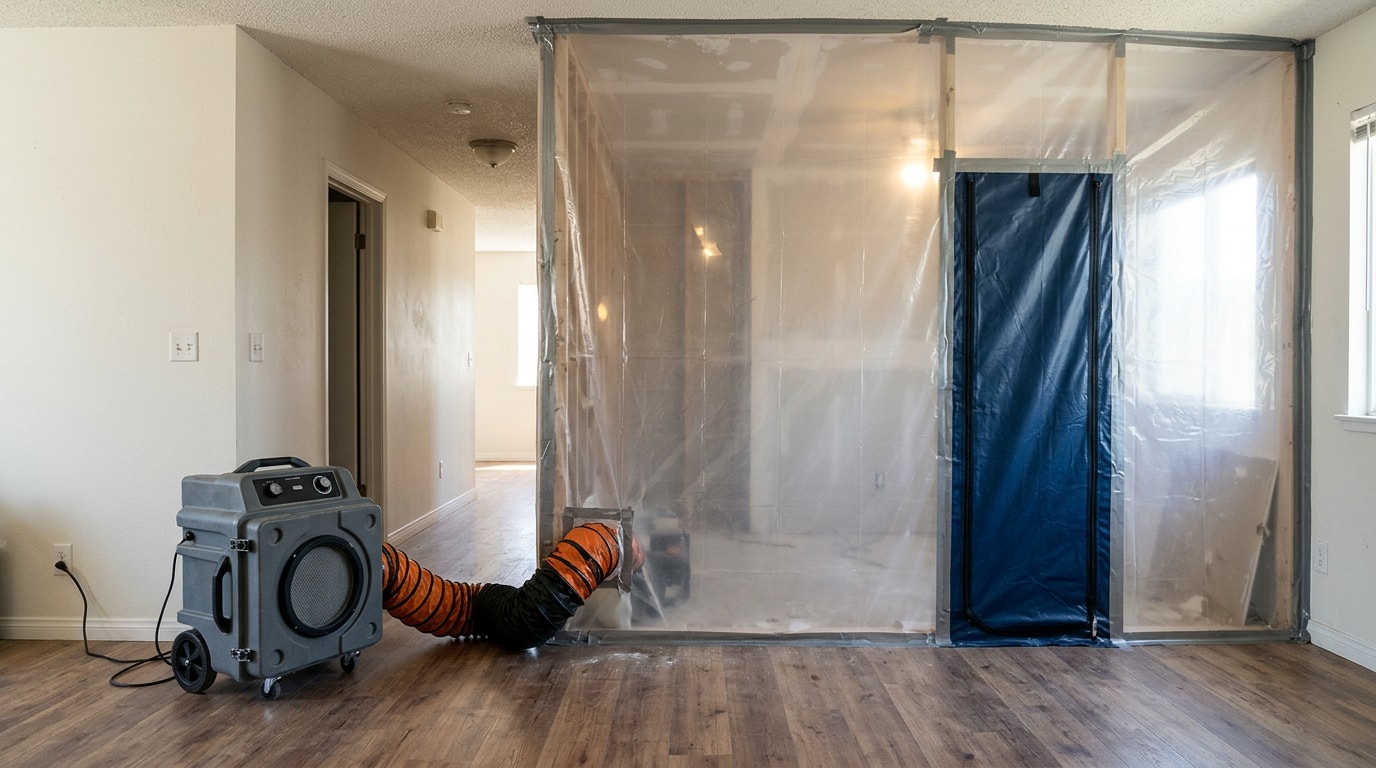
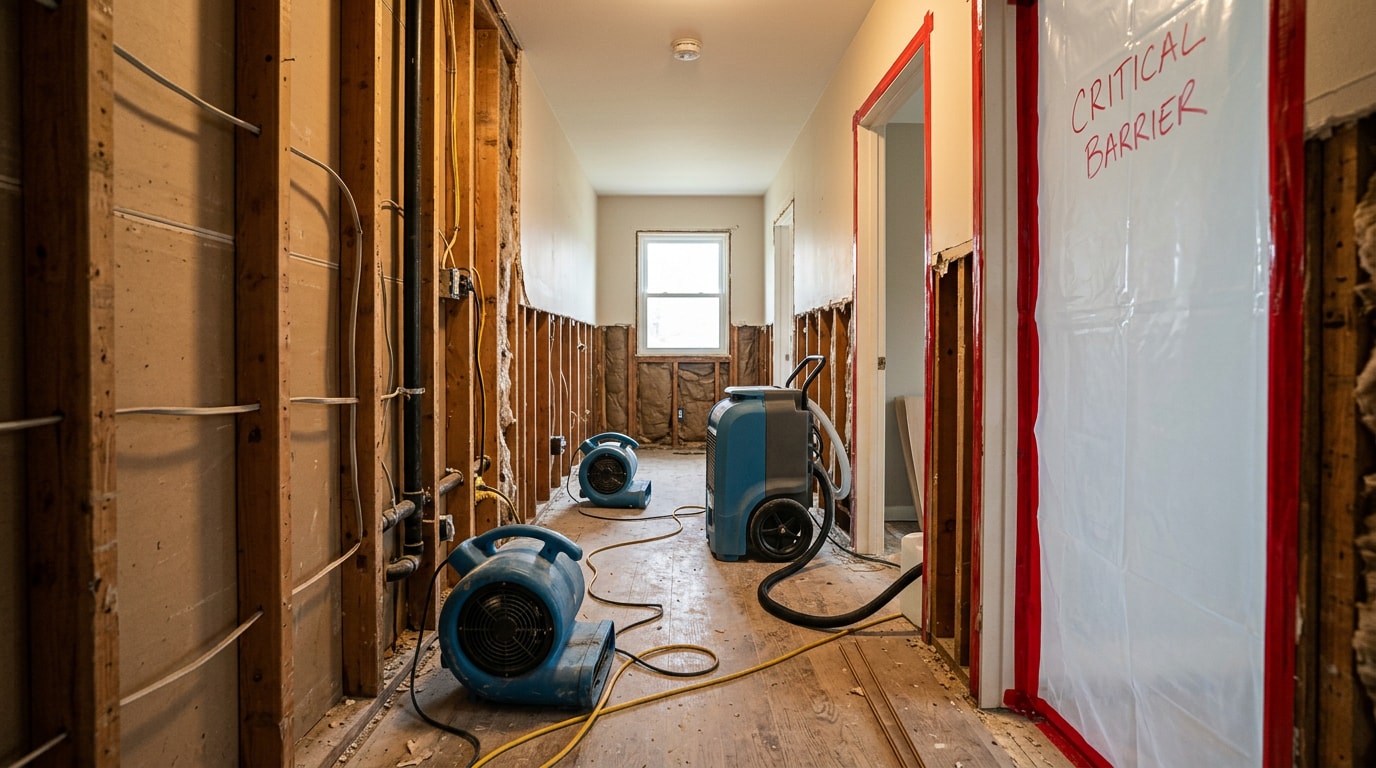
Remediation work in Fort Worth, TX means more than pulling out wet drywall or running a fogger after a mold scare. It's the hazard-removal phase of a much longer sequence that also includes emergency response, documentation, drying, and rebuild, and skipping a step in that sequence is a common reason homeowners end up paying twice for the same repair. Here's how the process actually works, phase by phase, and what questions separate a thorough contractor from one cutting corners.
What Is Remediation Work in Fort Worth, TX?
Property damage restoration is the full process of returning a damaged home or building to its pre-loss condition after water intrusion, fire, storms, or mold contamination. Remediation is one piece of that process: it's the hazard-removal stage, where contaminated materials are pulled out, mold is cleared, or hazardous residue is disposed of.
Restoration (often called mitigation) is the separate stage that stops and reverses active damage through extraction, drying, and cleaning. Reconstruction is the stage after that, where removed materials get rebuilt. Homeowners across Tarrant County use these three terms interchangeably, which is exactly why a contractor's scope of work can sound confusing on a first call.
Knowing where remediation sits in that sequence helps you ask sharper questions before work starts. For the fuller picture of how water damage restoration fits alongside remediation and rebuild, it helps to see all three stages mapped out together, which is what the next section does.
Remediation vs. Restoration vs. Reconstruction
A real-world example makes the difference easy to see. Picture a burst pipe behind a bathroom wall that goes unnoticed for a few days and leads to mold growth on the drywall.
| Stage | What Happens | Example (Burst Pipe → Mold) |
|---|---|---|
| Restoration/Mitigation | Stop and reverse active damage | Extract standing water, dry framing, monitor humidity |
| Remediation | Remove the hazard | Cut out and dispose of mold-affected drywall and insulation |
| Reconstruction | Rebuild what was removed | Install new drywall, paint, and reconnect fixtures to code |
When people search "remediation work" in Fort Worth, they're almost always asking about that middle step, hazard removal, not the drying or the rebuild. Industry procedures describe how water damage restoration should be carried out in residential, commercial, and institutional buildings, and the systems and personal property inside them , which is why each phase calls for different equipment, training, and sometimes a different license. You can review the published ANSI/IICRC S500 standard directly if you want the technical source behind those distinctions.
The Six Phases of Professional Remediation and Restoration
A full-service crew typically moves through six phases, and each one builds on the one before it:
- Emergency stabilization
- Mitigation and remediation
- Damage assessment
- Structural drying
- Cleaning and sanitizing
- Reconstruction
Skipping a phase, or hiring separate vendors who don't coordinate across them, usually means redoing work later.
Emergency Response: The First 24 Hours
The first 24 hours focus on stopping active damage and securing the property before a formal remediation plan is even written. Crews board up broken windows, tarp damaged roofing, shut off water sources, and begin pulling standing water.
This window also matters for the insurance side of things. Adjusters are known for writing surface-level estimates during initial walkthroughs, which makes a thorough first-24-hours response, with photos, moisture readings, and a written scope, one of the homeowner's best tools for a fair claim later.
Board-up, tarping, and emergency water removal aren't cosmetic steps. They're what separates a contained loss from one that spreads into framing, insulation, and HVAC systems.
Damage Assessment and Documentation
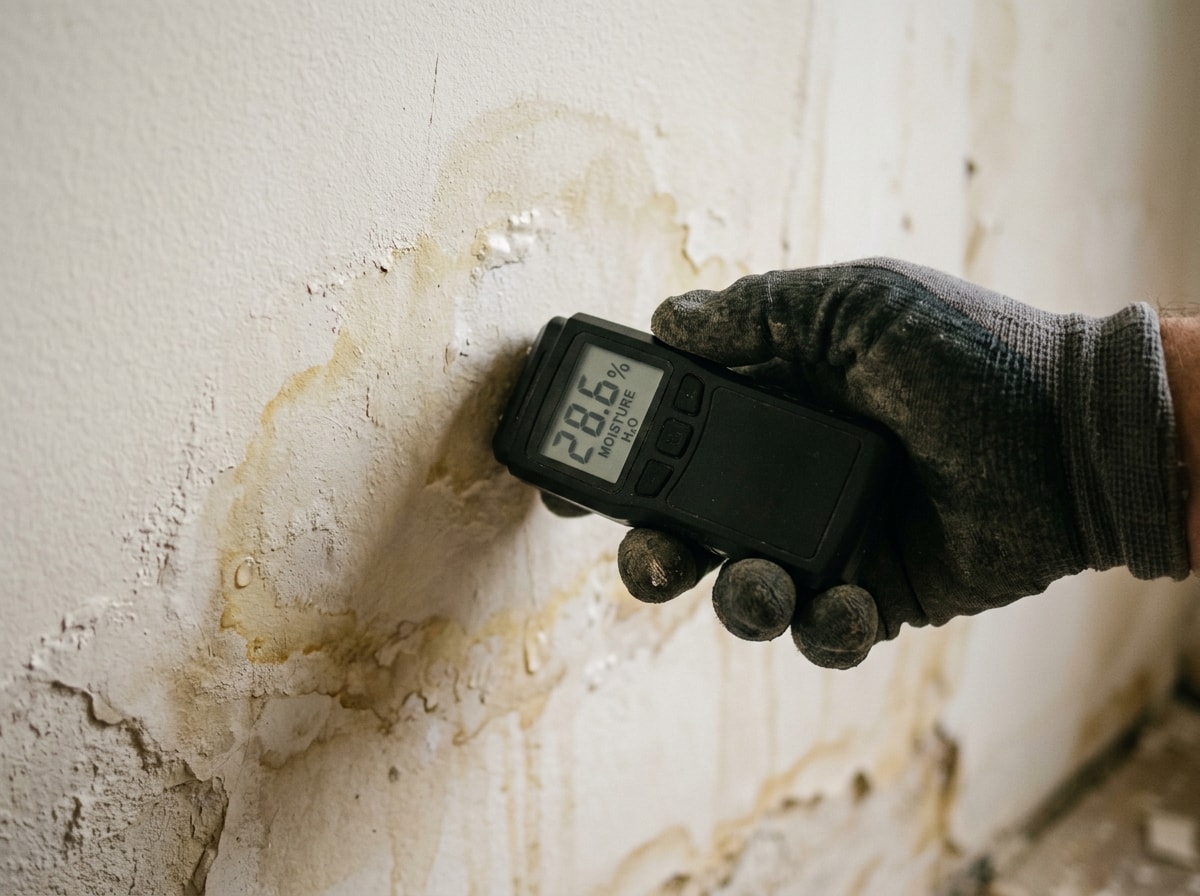
Professional crews photograph all visible damage, maintain detailed drying logs, and track moisture readings throughout the structural drying process. That documentation becomes the backbone of both the remediation plan and the insurance report submitted to the adjuster.
This step carries more weight than it looks. Over seventy percent of U.S. property insurance claims are estimated using Xactimate , a standardized line-item pricing program, which means a homeowner's strongest leverage is often the quality of documentation their contractor collected on day one. Thin records tend to produce thin payouts.
A detailed water damage inspection also tells the crew exactly which materials need remediation versus which ones can be dried and saved, a distinction that directly affects the final cost.
Restoration Timelines by Damage Type
Timeline expectations vary a lot by cause. Fort Worth's humidity, seasonal storm patterns, and the extent of the loss all factor into how long a project takes.
Water Damage Restoration Timeline
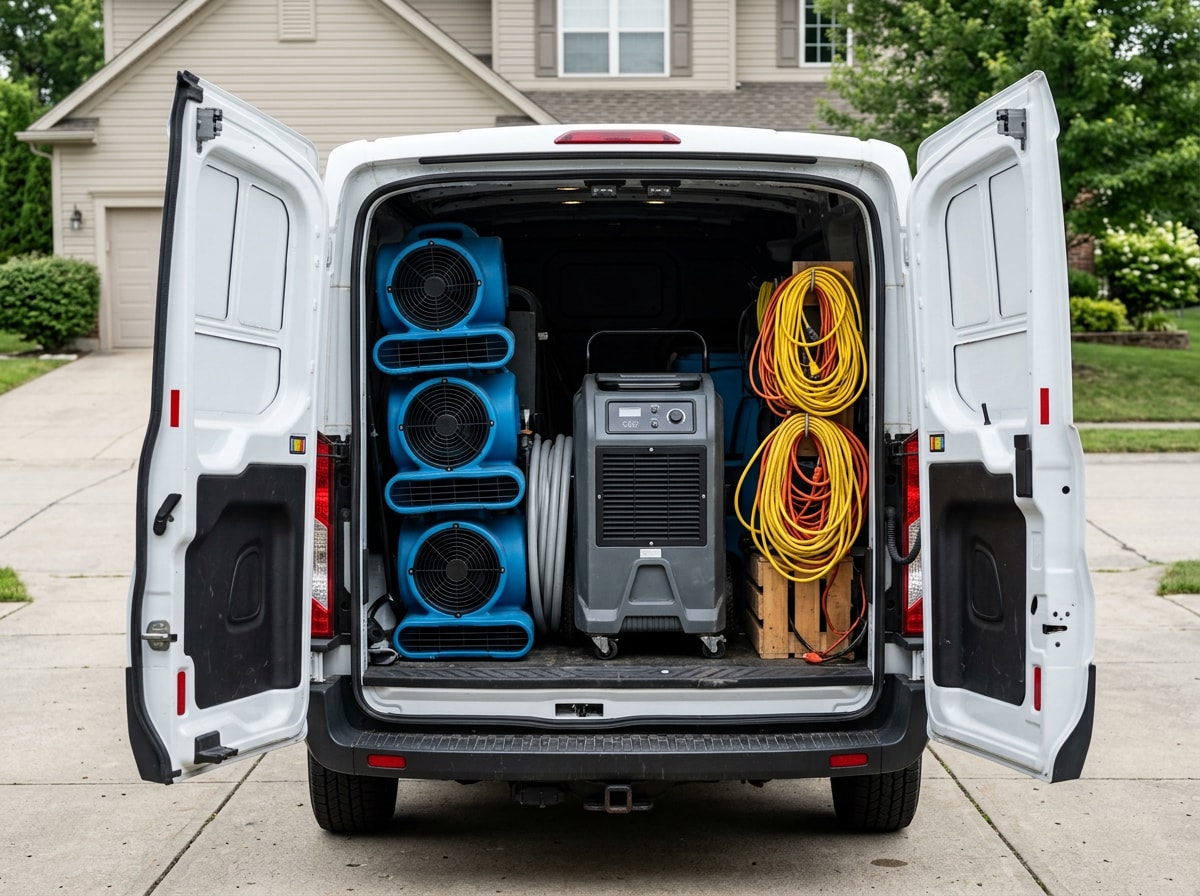
Extraction usually happens within the first day. Structural drying, running air movers and dehumidifiers to pull moisture out of framing, subfloor, and drywall, is the longest stretch and gets checked daily with moisture meters until readings return to normal.
Fort Worth's humidity can extend that drying window noticeably during summer months, when outdoor moisture levels are already high.
Fire Damage Restoration Timeline
Smoke damage cleanup for contents and surfaces generally moves faster than full fire damage restoration, which includes reconstruction of charred framing or flooring and can stretch much longer. The variance is wide because severity ranges from a contained kitchen fire to a loss that spreads through multiple rooms.
A detailed fire damage inspection early on gives a more realistic timeline than a generic estimate.
Storm Damage Restoration Timeline
Fort Worth sees severe thunderstorms, hail, tornadoes, and high winds, often within the same season, which keeps local demand for tarping and emergency roof repairs high. Storm restoration timelines depend heavily on how many properties are affected at once.
Tarping and board-up usually happen within a day of the storm. Full repairs, especially roofing, can take longer depending on material availability and insurance approval.
What Remediation Work Costs in Fort Worth
Costs vary by damage type, but mold remediation gives a useful benchmark. Most Texas mold remediation projects fall between $500 and $6,000, with the average job landing somewhere around $2,000 to $3,500 , and Dallas-Fort Worth projects specifically tend to run drier than coastal markets, since most jobs here originate from plumbing leaks rather than ambient humidity .
TMARR compliance adds another layer: for jobs above the regulatory size threshold, a licensed assessor has to be involved separately from the remediation crew, which is a cost factor worth asking about up front rather than discovering mid-project. If financing is a concern, it's worth reading how homeowners typically cover mold remediation costs in Fort Worth before committing to a scope of work.
Water, fire, and storm restoration costs follow similar logic. Smaller, contained losses cost less and resolve faster. Widespread damage that reaches framing, electrical, or structural elements pushes both price and timeline up, and insurance coverage, material costs, and code upgrades required during reconstruction all factor into the final number.
Getting an itemized, documented estimate early, rather than a verbal ballpark, is the best way to avoid a mismatch between what a homeowner expects and what the job actually requires.
Texas Mold Assessment & Remediation Rules (TMARR)
For jobs over 25 contiguous square feet, the remediation of visible mold must be conducted by a licensed Mold Remediator , and that work has to follow a written protocol prepared in advance. Texas licenses people and companies who inspect and test for mold separately from those who clean and remove it .
That separation isn't bureaucratic friction for its own sake. Texas prohibits the same company from handling both assessment and remediation on one project, specifically to prevent a conflict of interest where a firm inflates problems during inspection to secure the removal work .
Hiring someone without the right license for a job that legally requires one can void insurance coverage and create problems if the property is sold later. Mold remediation done incorrectly can also leave contamination behind that looks resolved on the surface but isn't. Full details on licensing requirements are available directly through TDLR's mold program page.
If you need both a mold inspection and remediation handled correctly under these rules, start with mold remediation services rather than assuming any general cleaning crew can take the job.
Working With Insurance Companies
Mold coverage adds a layer of complexity beyond cost. Whether a policy covers mold remediation often comes down to cause: sudden and accidental events, like a burst pipe, are more likely to be covered than mold that developed from long-term neglect or a pre-existing leak that went unaddressed.
Homeowners aren't required to accept an adjuster's first estimate as final. A documented, photo-backed scope of work from a restoration contractor can support a supplemental claim if the initial estimate falls short of what the repair actually requires. If you're unsure where your claim stands, requesting a consultation before signing off on an adjuster's number is a reasonable first step.
Rebuilding After Remediation
Remediation alone doesn't finish the job. Once contaminated or damaged materials, drywall, flooring, insulation, are removed, they have to be rebuilt, and that rebuild has to meet current code, not the standard the home was originally built under.
This is where reconstruction becomes its own distinct phase, with its own permitting and inspection requirements before a property is truly back to pre-loss condition.
Building Code Upgrades During Reconstruction
Building codes in Fort Worth evolve on a cycle, so a home built decades ago under older standards generally cannot be legally rebuilt to those same original specifications after a major loss. The city has currently adopted the 2021 International Building, Mechanical, Plumbing, Fuel Gas, Fire, and Existing Building Codes, along with the 2015 Energy Conservation Codes and the 2018 International Swimming Pool and Spa Code .
This is often where "law and ordinance" coverage in an insurance policy comes into play, since code upgrades can add cost beyond a basic like-for-like repair. Current permit requirements are published through the City of Fort Worth Development Services building and energy codes page, and it's worth confirming before reconstruction begins. For interior rebuilds, home reconstruction services and general contractor work typically run in parallel with these permit steps.
Choosing a Remediation Company in Fort Worth
Restoration isn't a single task, so full-service capability matters. A company that can handle water damage, fire damage, mold remediation, storm restoration, and complete reconstruction saves a homeowner from coordinating separate vendors for each phase.
Licensing checks matter just as much as service range. A few questions worth asking before signing anything:
- Does the company document damage with photos and moisture logs?
- Will they work directly with the insurance adjuster?
- Do they provide a written scope before starting demolition?
- For mold work, can they confirm the correct Texas license for the project size?
- For storm and emergency work, is response genuinely available around the clock?
Clear answers to these questions early tend to predict a smoother project overall. You can see examples of completed work on the projects page, or go to the homepage to review the full range of services available.
Fort Worth-Specific Considerations
Local climate shapes remediation work in Fort Worth more than many homeowners expect. High humidity slows structural drying and raises mold risk after any water intrusion, while the region's storm frequency keeps demand for emergency tarping and board-up services steady through spring and early summer.
A job that might dry in a drier climate in a few days can take noticeably longer in Fort Worth's muggier months, which is worth factoring into any timeline a contractor provides. For current watches and warnings affecting the area, the National Weather Service Fort Worth/Dallas office publishes live hazardous weather outlooks that are worth checking before and after a major storm.
If you're in Fort Worth or elsewhere across the Dallas Fort Worth Metro, requesting a consultation before damage spreads further is the fastest way to get an accurate scope and a realistic timeline.
FAQ
How much does mold remediation cost in Fort Worth?
Most Texas mold remediation jobs fall between roughly $500 and $6,000, with contained single-room projects typically landing in the lower half of that range. Jobs that require licensed assessment under TMARR or that affect HVAC systems tend to push toward the higher end.
How long does mold remediation take in Fort Worth?
Most contained-area mold remediation jobs take a few days to complete. Larger infestations, or those requiring formal assessment and post-remediation verification, can extend that timeline by several additional days.
Will insurance cover mold removal?
Coverage usually depends on cause. Mold from a sudden, accidental event like a burst pipe is more likely to be covered, while mold linked to long-term neglect or an unaddressed leak often is not.
Do I have to use the restoration company my insurance recommended?
No. Homeowners have the right to choose the restoration vendor they trust, rather than the one an insurance agent or adjuster suggests during the claims process.
Do restoration contractors need special certification in Texas?
For general water and fire restoration, there's no single statewide license requirement, though many reputable crews train to industry standards like the IICRC's S500. For mold work above the 25-square-foot threshold specifically, Texas does require a licensed Mold Remediation Contractor and a separately licensed assessor.
What's the difference between restoration, remediation, and reconstruction?
Restoration stops and reverses active damage through extraction and drying. Remediation removes hazards like mold or contaminated materials. Reconstruction rebuilds what was removed, completing the return to pre-loss condition.