Abatement contractors in Plano, TX are the professionals property owners call when a pre-1990 building turns out to be hiding asbestos, lead paint, or mold. Each hazard is identified differently, regulated by a different agency, and removed with a different process. This guide breaks down how that actually works so you know what to expect before a crew shows up.
What Abatement Contractors in Plano Actually Remove
"Abatement" covers three related but distinct jobs: asbestos removal, lead paint removal, and mold remediation.
Asbestos is a naturally occurring mineral fiber that was mixed into building products for decades because it resisted heat and added durability. Exposure to asbestos increases your risk of developing lung disease, and that risk is made worse by smoking. The danger isn't the material sitting undisturbed in a wall or ceiling. It's what happens when that material gets cut, sanded, or torn out without the right containment.
Lead paint presents a similar pattern: it's generally stable until disturbed by sanding, scraping, or demolition, at which point it can create hazardous dust. Mold is different again. It grows wherever moisture lingers, and it's typically confirmed through a visual inspection and moisture readings rather than a lab-tested sample.
Where These Hazards Hide in Older Plano Properties
Manufacturers didn't add asbestos randomly. They engineered it into specific products for strength, heat resistance, or sound control, which is why it tends to show up in predictable spots in pre-1989 construction.
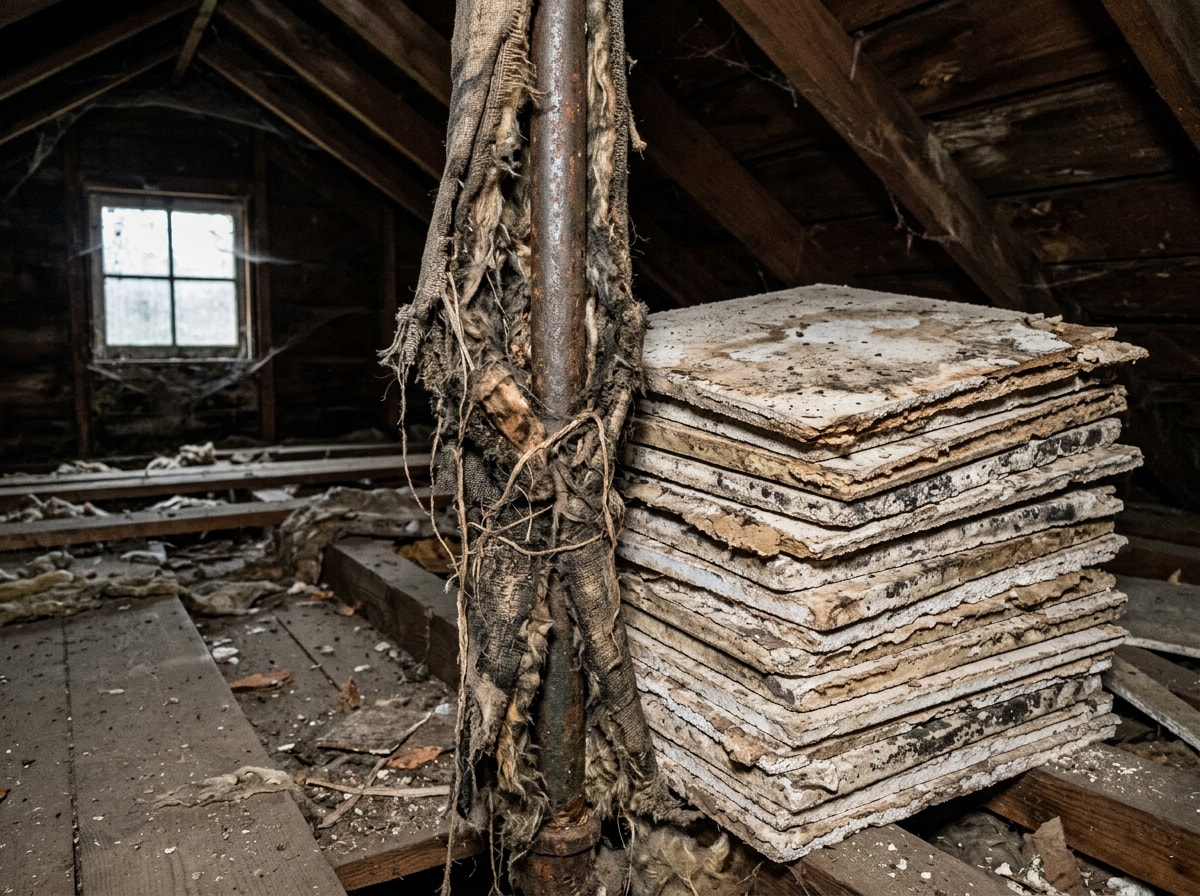
- Reinforced building materials — cement board, flooring, and siding often had asbestos mixed in for added strength.
- Insulation — attic insulation, pipe wrap, and duct coverings in homes built before the 1990s frequently used asbestos for fire resistance.
- Fireproofing — older commercial buildings sometimes used sprayed-on fireproofing containing asbestos to coat structural steel beams.
- Soundproofing — acoustic ceiling tiles and popcorn-texture ceilings were common carriers of asbestos fibers.
- Painted trim and walls — homes built before 1978 may have multiple layers of lead-based paint under newer coats.
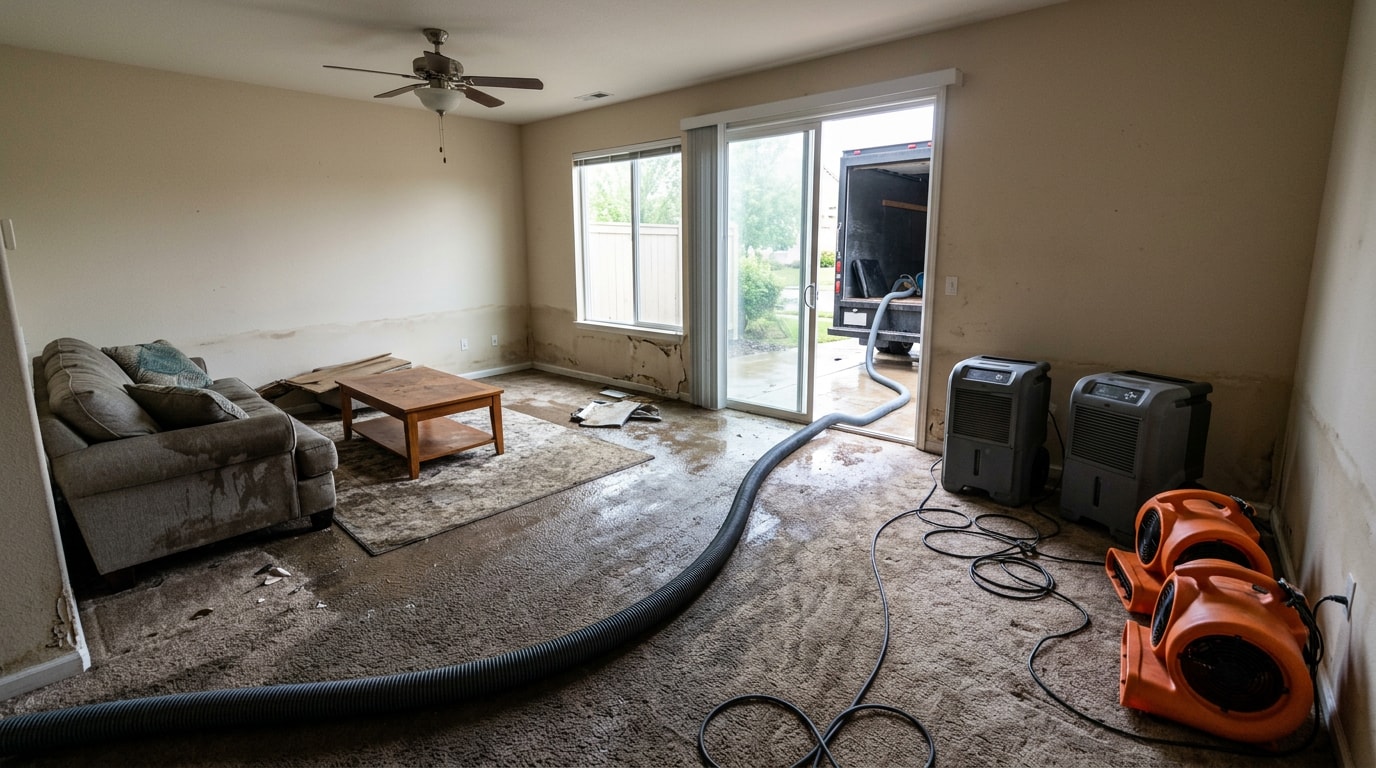
- Damp, low-airflow spaces — crawlspaces, bathrooms, and areas with a history of water intrusion are where mold typically takes hold.
Renovating or demolishing a pre-1989 Plano building disturbs these materials, raising the risk of fiber or dust release. A survey before work starts helps avoid an unplanned exposure mid-project.
How Asbestos, Lead, and Mold Differ in Testing and Oversight
These three hazards get lumped together under "abatement," but they're confirmed and regulated in different ways.
| Hazard | How It's Typically Confirmed | Who Should Handle Removal |
|---|---|---|
| Asbestos | Lab-tested bulk samples | Licensed asbestos abatement contractor |
| Lead paint | Surface test kits or an inspector's assessment | Lead-safe certified renovator |
| Mold | Visual inspection and moisture meter readings | Mold remediation professional |
Regulatory paths differ, too. Texas applies state licensing requirements to asbestos and lead abatement work, while mold remediation follows its own separate licensing track. A single renovation project, such as tearing out old insulation and stripping painted trim at the same time, can trigger the need for a contractor qualified in more than one category at once. If moisture damage is part of what's driving the mold, it's also worth having it checked through mold inspection services before remediation begins.
Step-by-Step: What the Abatement Process Looks Like
- Inspection and sampling. A licensed inspector collects physical samples from suspect materials and sends them to a lab for confirmation. Visual inspection alone can't confirm asbestos.
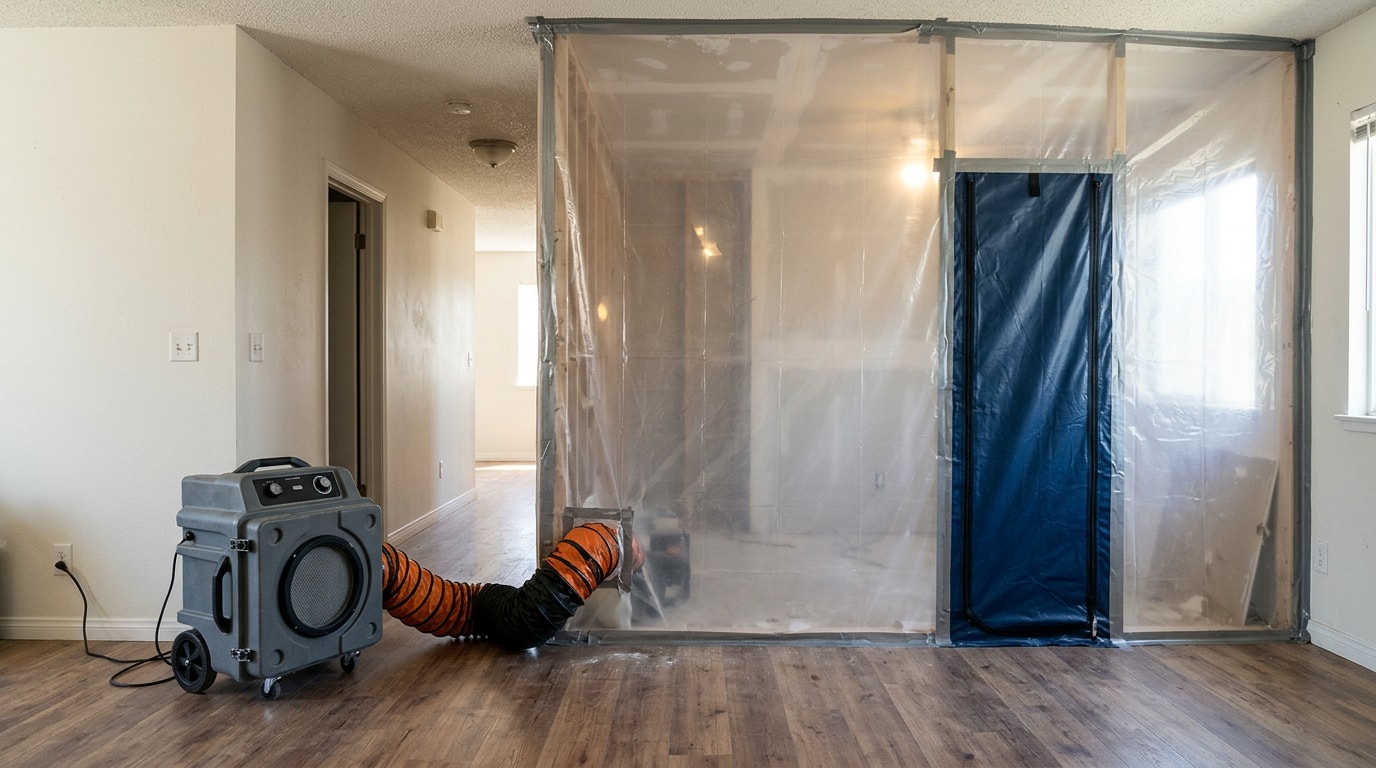
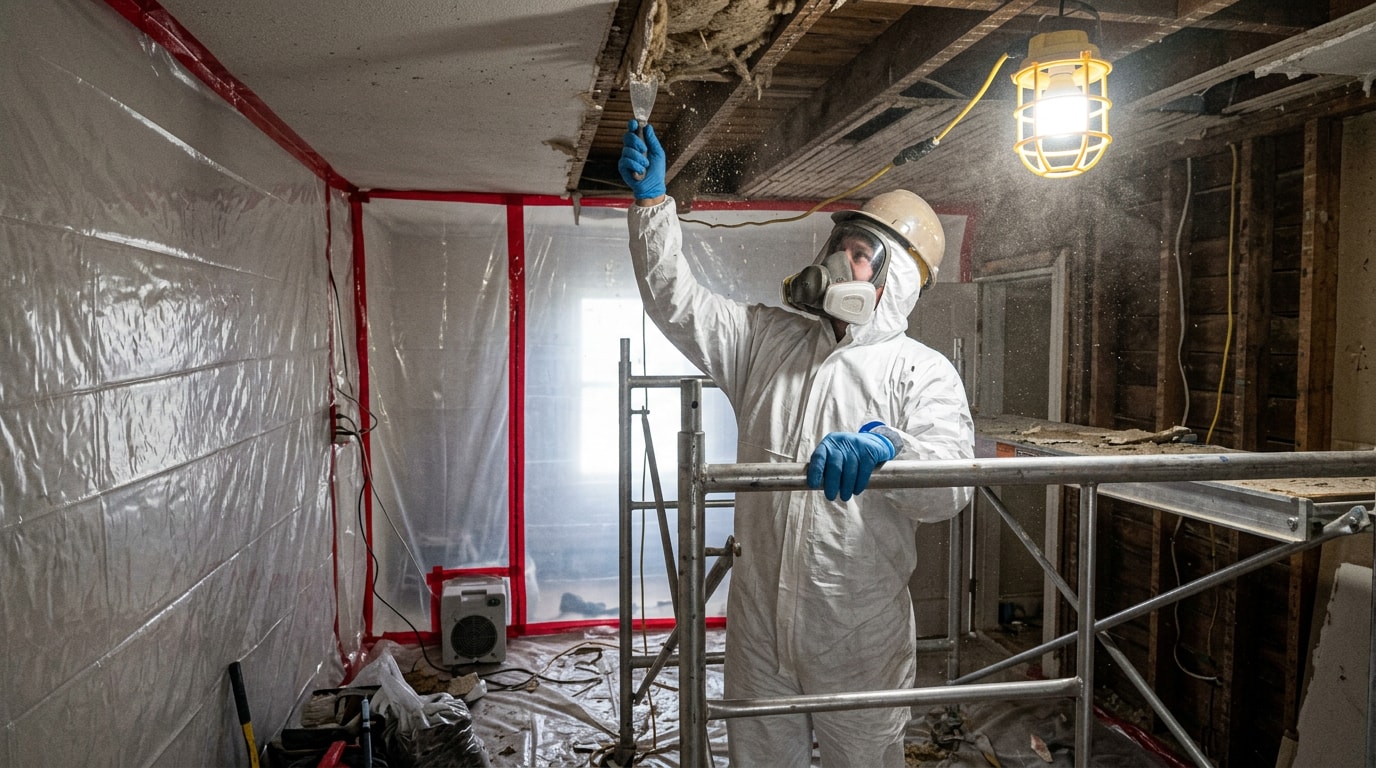
- Containment setup. Once a material is confirmed, crews isolate the work area with plastic barriers and negative-air pressure to stop fibers or dust from spreading into the rest of the building.
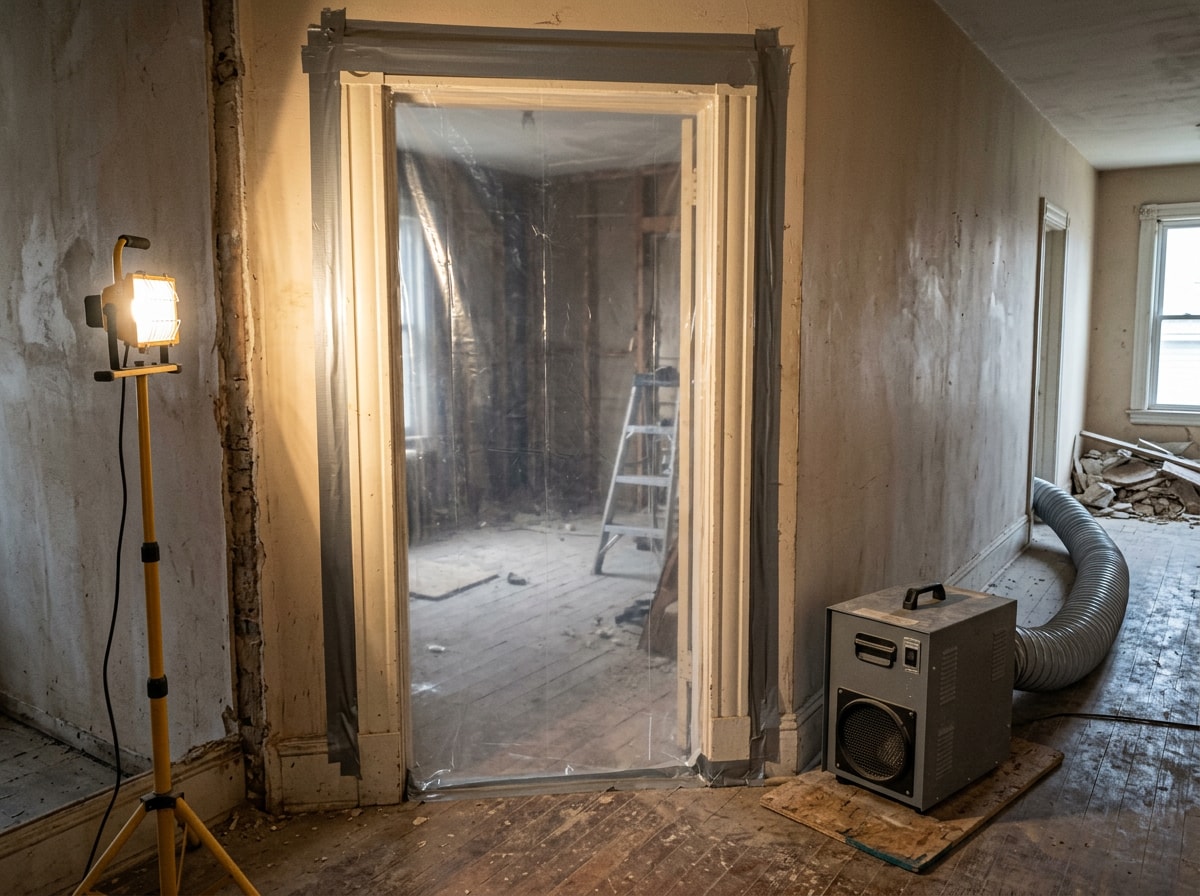
- Removal. Materials are removed using wet methods and specific work practices designed to keep fibers from becoming airborne.
- Bagging and disposal. All contaminated material is bagged, labeled, and transported to an approved disposal site.
- Clearance and reconstruction. Once the area tests clear, repair or rebuild work can begin. Many abatement projects need follow-up home reconstruction services once walls, ceilings, or flooring have been opened up.
If you're not sure which stage your property is at, a free consultation is the fastest way to find out whether you need testing, full abatement, or just a moisture fix.
Texas Rules Abatement Contractors in Plano Must Follow
Asbestos work in Texas sits under three overlapping sets of rules, and property owners are often surprised by how specific the thresholds are.
Federal NESHAP rules set the trigger points for a full abatement procedure. Regulated asbestos containing material reaches that threshold at 260 linear feet on pipes, 160 square feet on other facility components, or a total volume of 35 cubic feet. Below those amounts, only the notification requirement applies; above them, strict removal and disposal procedures kick in.
On the worker-safety side, OSHA's construction asbestos standard covers demolition and salvage, removal and encapsulation, renovation, installation of asbestos products, spill cleanup, and transport or disposal on a construction site.
Texas adds its own notification layer on top of the federal rule. Notification must be made to the Department of State Health Services before beginning renovation projects that disturb any asbestos-containing material, or before demolishing a building, even when no asbestos is present.
That notification has to happen no less than 10 working days before the start of demolition or asbestos abatement activity, except in emergencies. Property owners working through a larger commercial scope should expect this timeline to factor into project planning; our regulatory remediation guide walks through how that compliance process plays out on real jobs.
Serving Plano and Collin County
Plano sits within Collin County, and the age of housing stock varies block by block, which affects how likely a given property is to contain legacy building materials. Abatement work across the city spans ZIP codes including:
- 75023
- 75024
- 75025
- 75074
- 75075
If your property falls outside city limits, abatement contractors covering the broader Plano, TX area typically also serve surrounding Collin County communities. You can see the full range of services we handle on our homepage.
What to Ask Before You Hire an Abatement Contractor
A quick vetting conversation before signing anything can save you from a rushed, under-scoped job.
- Can you provide your current state license number for the category of work involved?
- Will you provide a written containment and work-practice plan before starting?
- Who handles the 10-day state notification if the project requires it?
- What lab confirms clearance testing once removal is finished?
- Where does the disposal manifest show the waste was taken?
- Is post-abatement repair, like drywall or flooring replacement, included or billed separately?
If a contractor hesitates on any of these, treat it as a red flag.
FAQ
How do I know if my home has asbestos?
Visual inspection alone can't confirm asbestos. A licensed inspector collects physical samples and sends them to a lab for testing before any abatement plan is made.
Do I need a permit for asbestos abatement in Plano, TX?
Larger abatement projects generally require advance notification to the state health department before demolition or renovation work begins, regardless of the project's size. Smaller residential jobs still benefit from documentation even where notification thresholds aren't met.
How much does asbestos abatement cost?
Costs vary widely based on the material type, the quantity affected, and how accessible the area is. Treat any number you see online as general market information rather than a fixed estimate for your property.
Can I remove asbestos myself in Texas?
Even where DIY removal isn't strictly prohibited for every property type, professional removal is strongly recommended because of the inhalation health risks and the licensing requirements tied to proper containment and disposal.
Does homeowners insurance cover asbestos abatement?
Coverage usually depends on the cause, such as sudden damage versus a pre-existing condition. Documentation from a professional water damage inspection or asbestos survey supports any insurance claim you file.
What's the difference between abatement and remediation?
Abatement generally refers to removing a hazardous material entirely, like asbestos or lead paint. Remediation usually refers to treating an active problem, like mold growth, including addressing the moisture source that's feeding it.
How long does an abatement project take?
Timing depends on scope. A small, contained area might clear in a day or two once containment is set up, while a project that crosses the federal notification threshold has to account for the mandatory waiting period before work can even begin.
Ready to find out what's actually in your Plano property? Request a consultation and get a clear plan before any walls come down.