Flood restoration companies in Plano, TX aren't all built the same, and that gap shows up fast once water is already in your walls. The right provider handles extraction, drying, repairs, and insurance paperwork as one connected job instead of passing you between three different crews. Here's what separates a trustworthy flood restoration company from a quick cleanup outfit, and the questions worth asking before you sign anything.
Why Flood Risk Is Climbing for Plano Homeowners
Flooding in Plano isn't limited to hurricane season anymore. On October 1, 2026, the National Weather Service's Fort Worth office issued flash flood warnings across Dallas, Denton, and Tarrant counties as storms dumped heavy rain across North Texas, and cities expected to see flooding that day included Dallas, Plano, Garland, Mesquite, McKinney, Frisco, Richardson, Allen, Rowlett, Desoto, Cedar Hill, Wylie, Duncanville, Lancaster, Farmers Branch, Balch Springs, and University Park . That event followed a long dry stretch, which is exactly the pattern that catches homeowners off guard: drought-hardened soil sheds rainfall instead of absorbing it, so even a fast-moving storm can push water into homes that have never flooded before.
Add in aging pipe infrastructure and sewage backups during heavy rain, and flood cleanup has become a far more frequent call for homeowners across the Dallas Fort Worth Metro, TX area, not just a once-a-decade event. If you're searching for flood damage restoration in Plano, TX right now, you're not overreacting. You're reacting to a real shift in local weather patterns.
What a Trustworthy Flood Restoration Company Actually Does
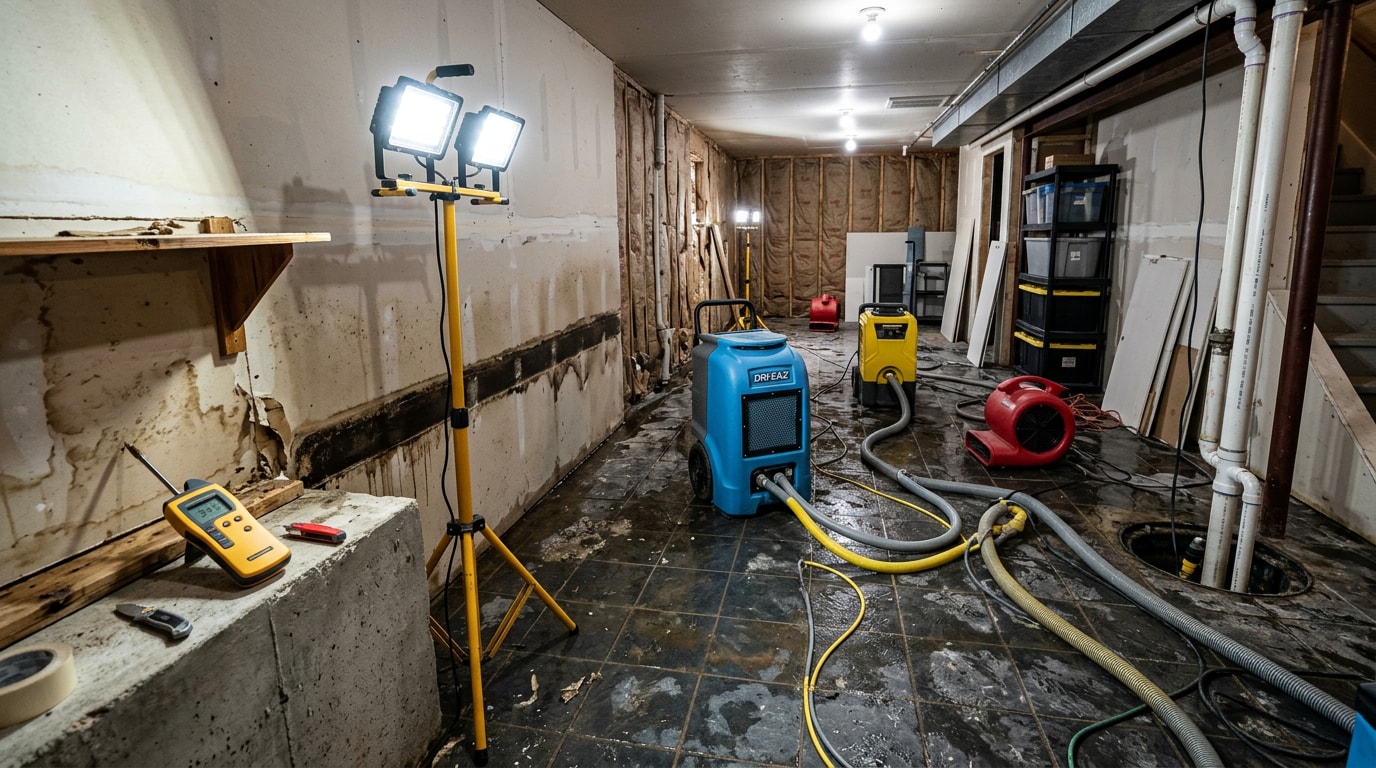
Professional flood damage restoration covers four connected stages: water extraction, structural drying, repair of damaged materials, and mold prevention treatment before fungal growth gets a foothold. A full-service provider handles all four in-house, without handing pieces off to subcontractors you've never vetted.
Most complete flood damage restoration services also include content cleaning and sanitization for anything touched by contaminated water, plus structural drying that's monitored with moisture meters rather than guessed at with a box fan. Skipping that monitoring step is exactly how homeowners end up calling a mold remediation crew six weeks later.
A trusted provider combines removal, decontamination, drying, structural repair, and insurance coordination into one process rather than treating each step as a separate job. That consistency matters because gaps between steps, like a delay between drying and repair, let secondary damage take hold.
One Team or Many? Why the Handoff Matters
Some companies run the entire job start to finish: one crew, one point of contact, from the emergency call through final reconstruction. Others dry the structure, then hand you off to a separate repair contractor to finish the job.
The single-company model usually means clearer accountability and fewer scheduling gaps, since the people who dried your walls are the same people repairing them and know exactly what's behind the drywall. The multi-vendor route can bring in more specialized repair crews for unusual jobs, but it often adds a slower timeline and more coordination on your end, including re-explaining the damage history to a second company.
In our own calls across Plano and the surrounding metro, the homes that bounce back fastest are the ones where the same team that extracted the water is also the one signing off on the rebuild. Ask any flood damage repair company you're considering whether rebuild work, including drywall and flooring replacement similar to home reconstruction, happens in-house or gets subcontracted out.
Water Damage Classes: Why Two "Floods" Can Cost Very Different Amounts
Not all water intrusions are equal, and that's a big reason flood restoration quotes vary so widely. Restoration professionals classify jobs by both category (how contaminated the water is) and class (how much of the structure absorbed it).
| Category | Water Source | Typical Risk Level |
|---|---|---|
| Category 1 | Clean supply line or appliance leak | Lowest, if dried fast |
| Category 2 | Washing machine overflow, gray water | Moderate, needs sanitizing |
| Category 3 | Sewage backup, storm or floodwater | Highest, treated as contaminated |
A contained Category 1 leak in one bathroom and a Category 3 flooded basement are entirely different jobs, which is why a water damage inspection always comes before a real quote. Anyone willing to give you a firm price over the phone, before seeing the damage, is guessing.
Questions to Ask a Flood Restoration Company Before Hiring
Run through these before you sign a work order.
Are you licensed and insured? Licensing and liability coverage protect you if a worker is injured or equipment damages your property mid-job. An IICRC Certified Firm is a business that employs one or more IICRC Certified Technicians , and you can verify any company's certification status directly with the IICRC before you hire them.
What's your hands-on experience with flood damage specifically? Years of extraction and mold-prevention work in homes like yours tell you more than a marketing page does. Ask for examples of recent jobs nearby.
Do you provide genuine 24/7 emergency service? A delayed response lets water soak deeper into materials, driving costs up fast. Confirm the company offers real emergency water removal around the clock, not a daytime line with a voicemail after hours.
Can you work directly with my insurance provider? Ask whether the company bills your insurer directly and handles claims documentation on your behalf. This one detail can save you weeks of paperwork during an already stressful recovery.
When Flood Damage Becomes an Emergency in Plano
Call a professional the moment you see standing water, basement flooding, or saturated drywall. Waiting rarely saves money and usually costs more.
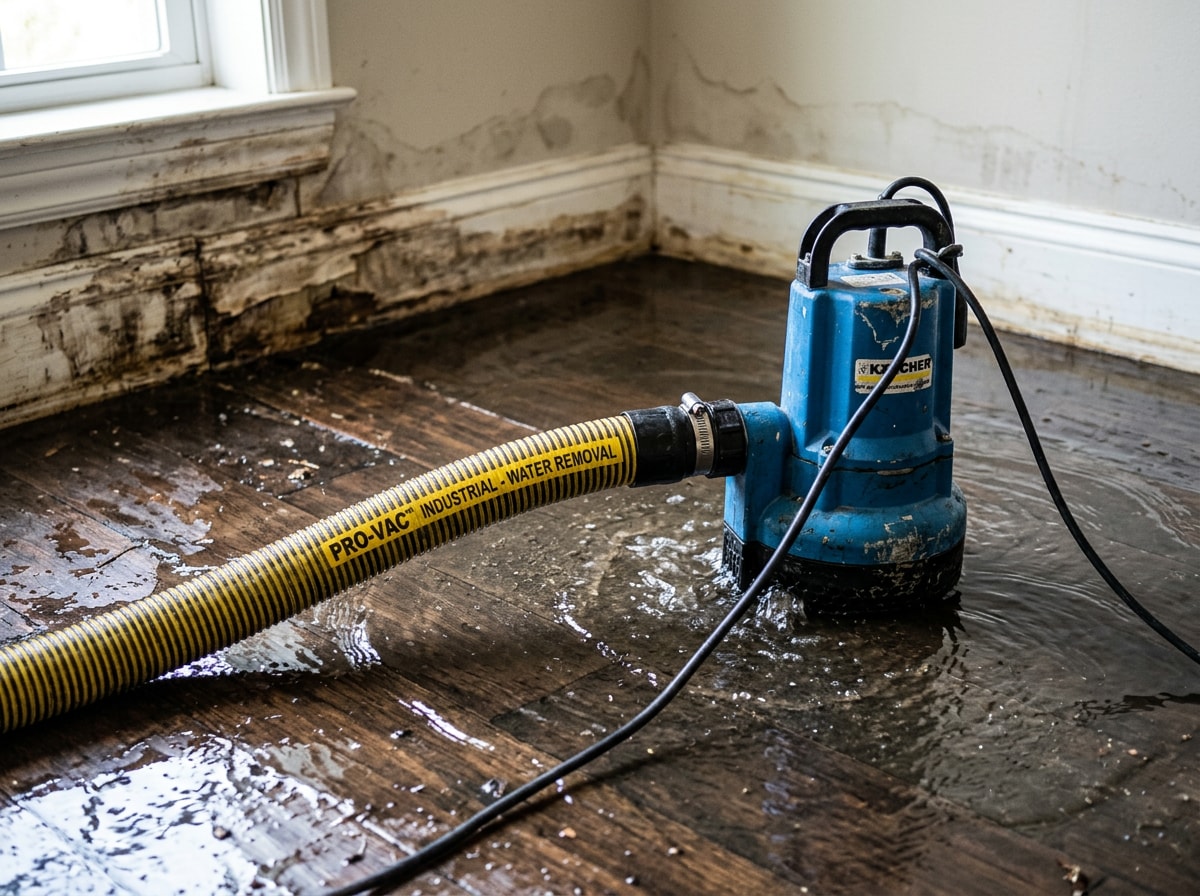
Heavy rain is one of the most common triggers for basement flooding Plano homeowners deal with every spring and fall. Floodwaters hide dangers that can cause sickness, injury or even death, including animals and insects, live wires, harmful bacteria, dangerous chemicals, sewage, and sharp objects and debris , so standing water is never a DIY cleanup job once it's been sitting for more than a few hours. The standard response is fast extraction followed by targeted drying, since even a day of standing water creates conditions where mold removal becomes a second project layered on top of the first.
What Flood Damage Restoration Costs in Plano, TX
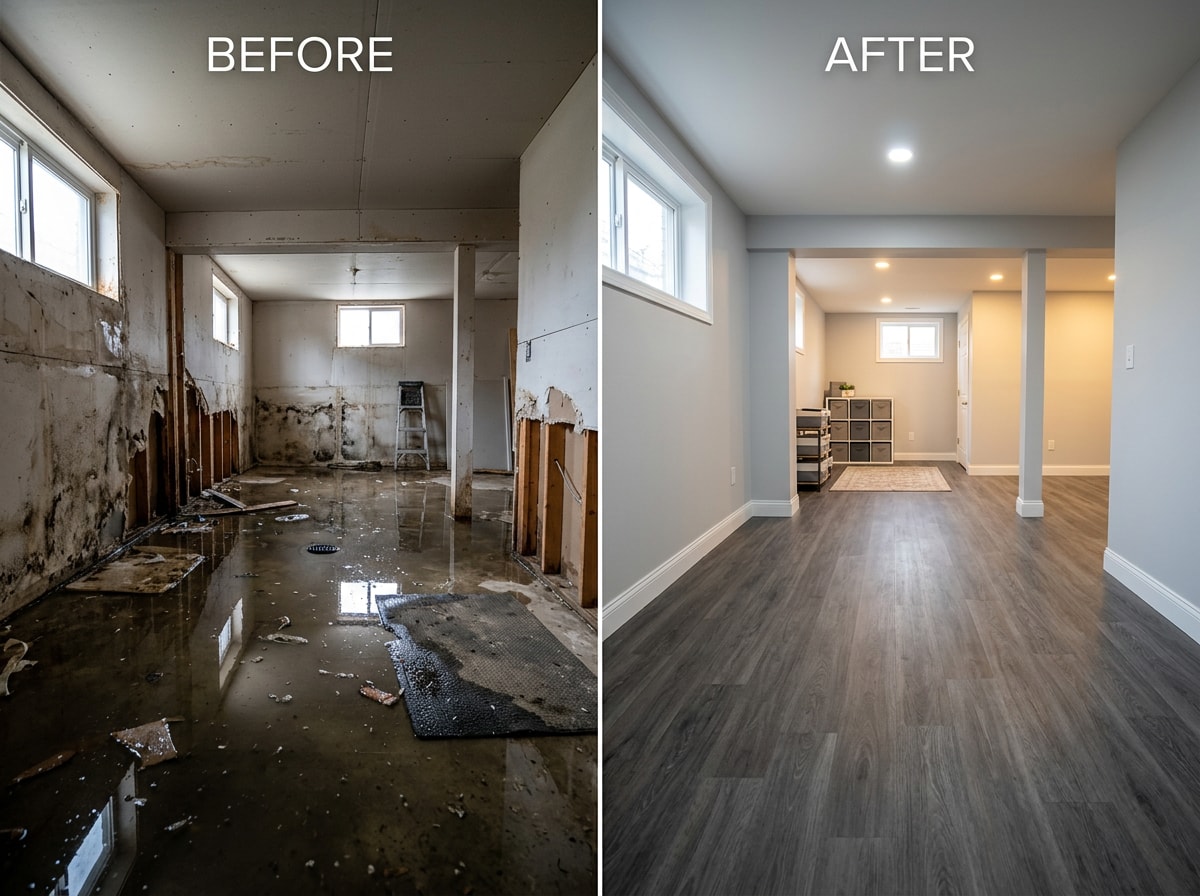
Cost depends on how much water intruded, the size of the affected area, the materials involved, and whether mold remediation or after-hours emergency service is needed. Pricing scales with the water damage class and category discussed above, since pulling moisture out of a single bathroom is a different scope than drying an entire flooded first floor.
The only reliable number comes from an in-person inspection. Most reputable companies, including Spotless Restoration USA, offer a free estimate before any work begins. Get a free consultation to get an accurate number for your specific situation rather than guessing from a phone estimate.
Serving Plano and the Dallas-Fort Worth Metro
Spotless Restoration USA handles flood, water, fire, and mold restoration across Plano, TX and neighboring communities, including Dallas, TX, Fort Worth, TX, Arlington, TX, and Irving, TX. You can see examples of recent work on our projects page, or visit the Spotless Restoration USA homepage to see the full range of services we handle in-house, from water and fire damage to mold removal and general contracting.
FAQ
How much does flood damage restoration cost in Plano, TX?
Costs vary widely based on damage severity, but most jobs range from a few hundred dollars for minor cleanup to several thousand for extensive structural work. A documented in-person estimate is the only reliable number before you commit.
Does insurance cover flood damage?
Most homeowners insurance does not cover flood damage. Flood insurance is a separate policy that can cover buildings, the contents in a building, or both , typically through the National Flood Insurance Program. Damage from burst pipes or internal plumbing failures is usually covered under standard homeowners policies instead, since that's treated as a different type of water loss than storm or rising-water flooding.
How long does water damage restoration take?
Most restoration timelines run three to five days for drying alone, though structural repairs can extend the project to several weeks. The size of the affected area, materials involved, and severity of the flooding all affect the final drying time.
What's the difference between water damage restoration and flood damage restoration?
The processes overlap, but flood damage usually involves contaminated Category 3 water from outside the home, like storm runoff or sewage backup, which requires more sanitization than a clean supply-line leak. Both fall under the same water damage restoration umbrella, but flood jobs typically take longer and cost more.
Will I need mold remediation after a flood?
Not always, but the risk climbs fast once water sits for more than 24 to 48 hours. If drying starts quickly and moisture levels are verified with equipment rather than a guess, many homes avoid needing separate mold prevention work altogether.
Should I drive through a flooded road to get home and check on my property?
No. It only takes 12 inches of fast-moving water to carry off a small car and 18 inches of water to sweep a larger vehicle away , according to National Weather Service safety guidance. Wait until local officials confirm roads are clear, then call a restoration company rather than risking the drive.