Fire mold restoration Dallas, TX homeowners need almost always involves two problems, not one: the fire itself and the mold that follows the water used to put it out. Dallas's humid summers and overworked HVAC systems turn that water into a mold problem within days if nobody dries the structure fast. This guide covers how the combined cleanup actually works, what Texas law requires of the contractor you hire, and what to expect for cost and timeline.
Why Fire and Mold Damage Show Up Together in Dallas
Dallas weather does property owners no favors. Humid summers trap moisture in wall cavities, sudden storms knock out power and spark electrical fires, and overworked HVAC systems push damp air through ductwork year-round.
In the Dallas-Fort Worth homes we've restored, the most common secondary mold damage starts in the subfloor beneath kitchens and bathrooms, exactly where firefighting water sits longest before anyone notices.
Consider a common scenario: a kitchen fire gets extinguished, but the water used to fight it soaks into subflooring and drywall. Without fast structural drying, that same house has visible mold within 48 hours. The EPA's own guidance says wet materials should be dried within 24 to 48 hours specifically to prevent mold from establishing itself. Plan to dry wet, non-moldy materials within 48 hours to prevent mold growth.
Handling fire cleanup and mold remediation under one contract, with one point of contact, closes that gap instead of leaving it for a second company to find weeks later. Get a free consultation before small moisture pockets turn into a bigger rebuild.
How Our Fire and Mold Restoration Process Works
A standard combined fire-and-mold job follows five stages: assessment, stabilization, removal of damaged materials, drying and decontamination, and rebuild.
- Assessment – Technicians inspect with moisture meters in walls and subfloors, not just a visual walkthrough of charred areas.
- Stabilization – Crews board up openings, shut off compromised utilities, and contain the affected zones.
- Removal – Burned, saturated, or unsalvageable materials come out before drying begins.
- Drying and decontamination – Structural drying and soot/odor removal run side by side, since waiting lets odors set deeper into porous materials.
- Rebuild – Framing, drywall, and flooring go back in once moisture readings confirm the structure is dry.
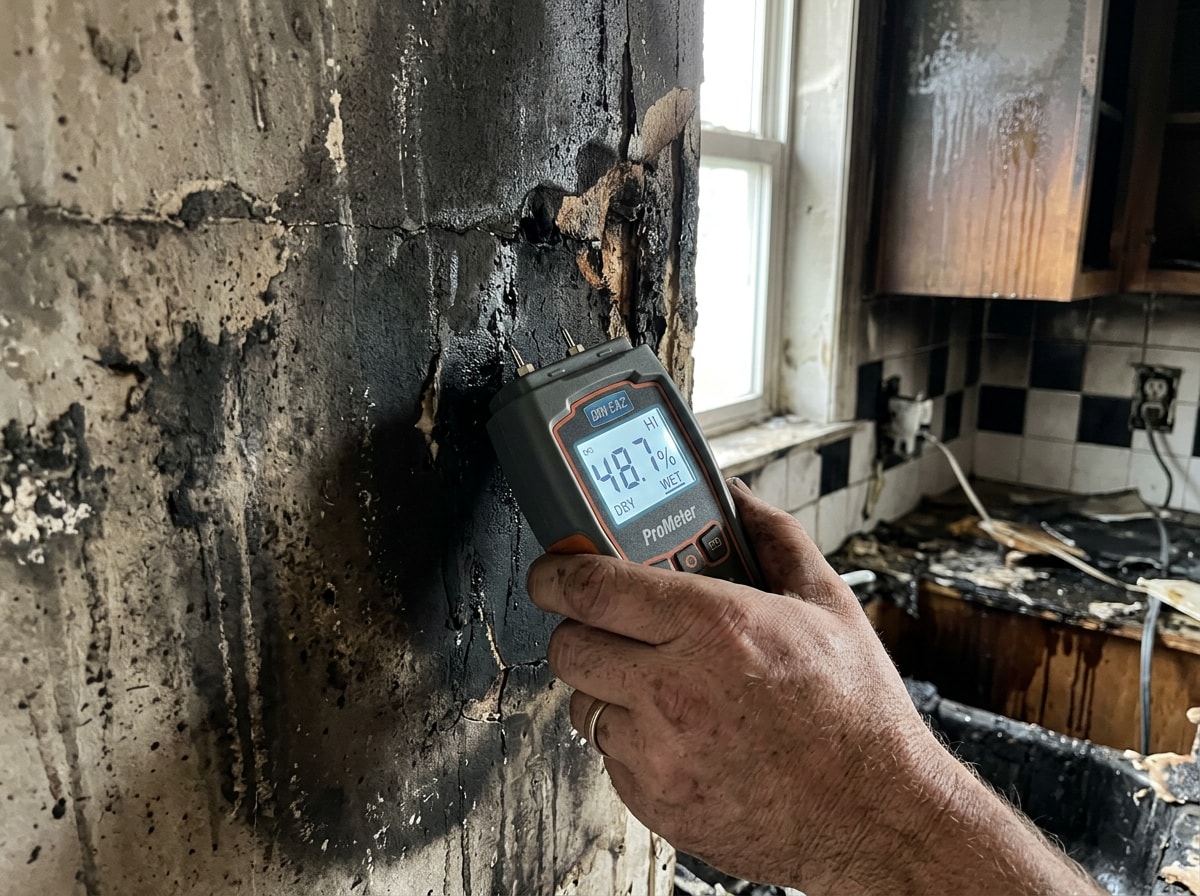
Our fire damage restoration and mold remediation teams coordinate on the same job file, so nobody is waiting on a second company to start.
Fire Damage Restoration in Dallas, TX
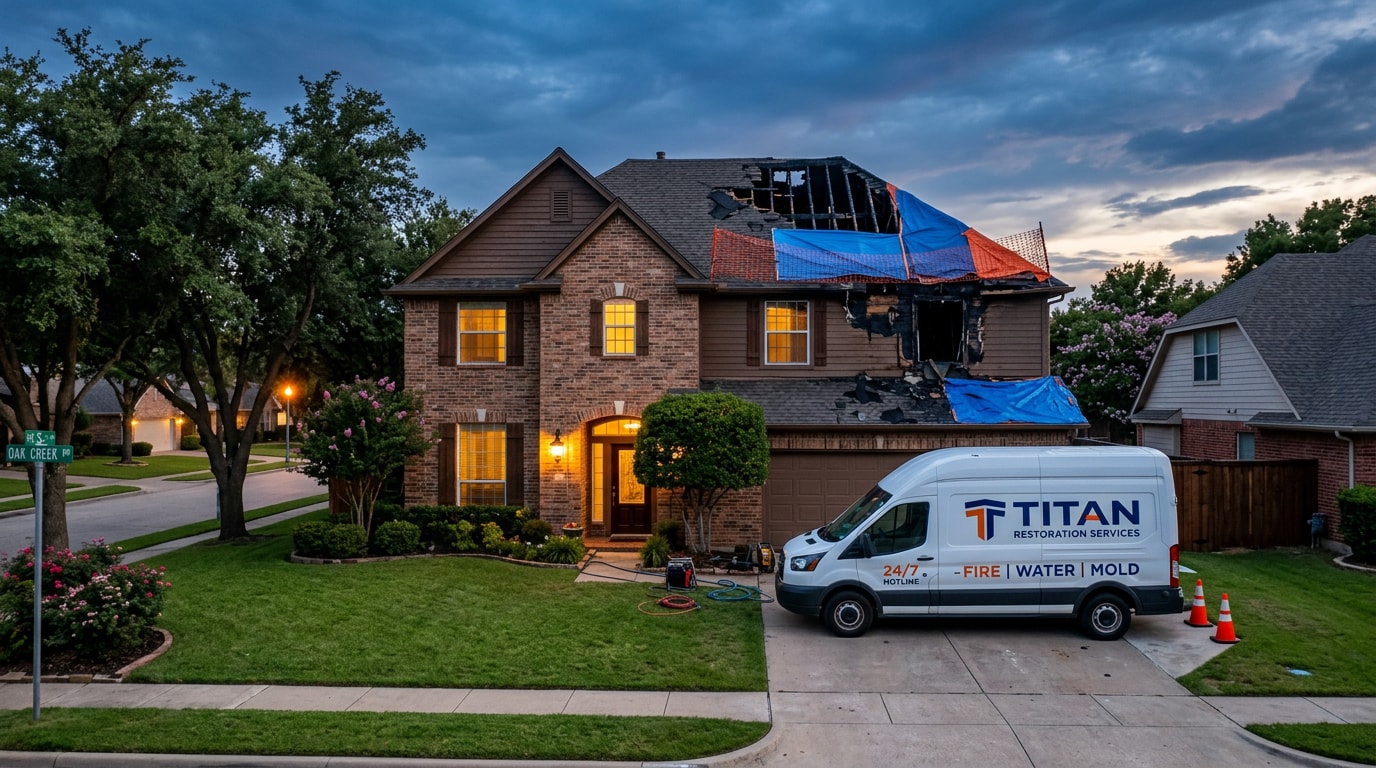
Fire damage rarely stops at the burned materials themselves. Smoke travels through HVAC systems and settles in rooms that never saw flame, soot etches into porous surfaces within hours, and the water used to extinguish the fire soaks into framing and flooring.
House fires are also more common than most homeowners assume. Nationally, a home structure fire is reported roughly every 96 seconds, and nearly one-quarter of the fires occurred in home properties, including one- or two-family homes and apartments or other multifamily housing, yet these fires caused three-quarters of the civilian fire deaths and injuries , according to NFPA's most recent national fire loss report.
Timelines vary by scope. A single contained room, like a kitchen fire that didn't spread, might be fully restored in one to two weeks once drying, soot cleanup, and minor repairs are done. A major structural fire affecting framing, roofing, or multiple rooms can take six to twelve weeks or longer, especially when full fire damage reconstruction is needed.
Complete Fire and Smoke Damage Cleanup
A thorough cleanup scope typically includes four steps:
- Debris removal of burned and unsalvageable materials.
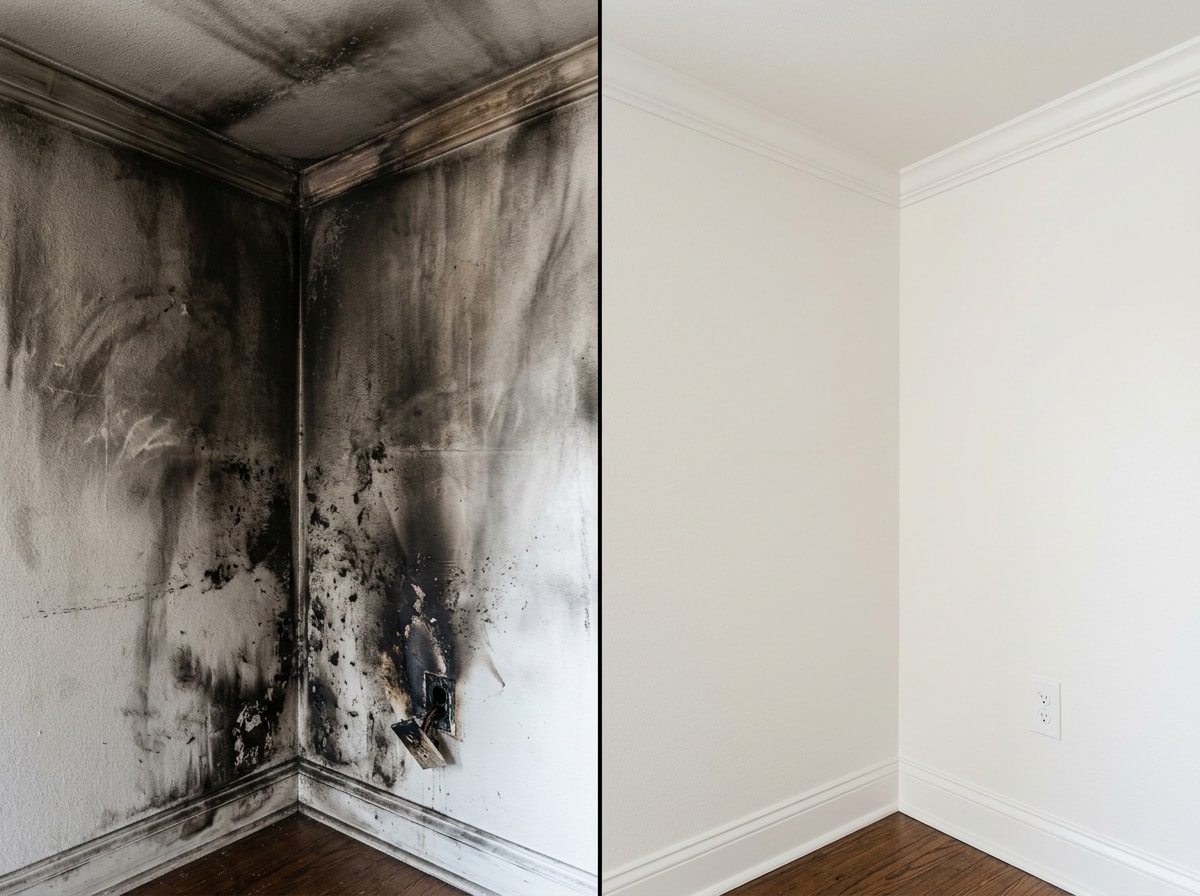
- Smoke and soot cleanup on walls, ceilings, and contents.
- Odor removal using sealants or thermal fogging rather than air fresheners.
- Reconstruction of framing, drywall, or flooring that didn't survive.
Skipping any one of these usually means the problem resurfaces. Odor returning in humid weather is the most common complaint when cleanup was rushed. A fire damage inspection before work starts catches hidden soot migration that a visual walkthrough misses.
Mold Remediation in Dallas, TX
Mold is the most common secondary consequence of fire damage in Dallas, largely because of how much moisture firefighting efforts introduce into a structure that already has compromised ventilation.
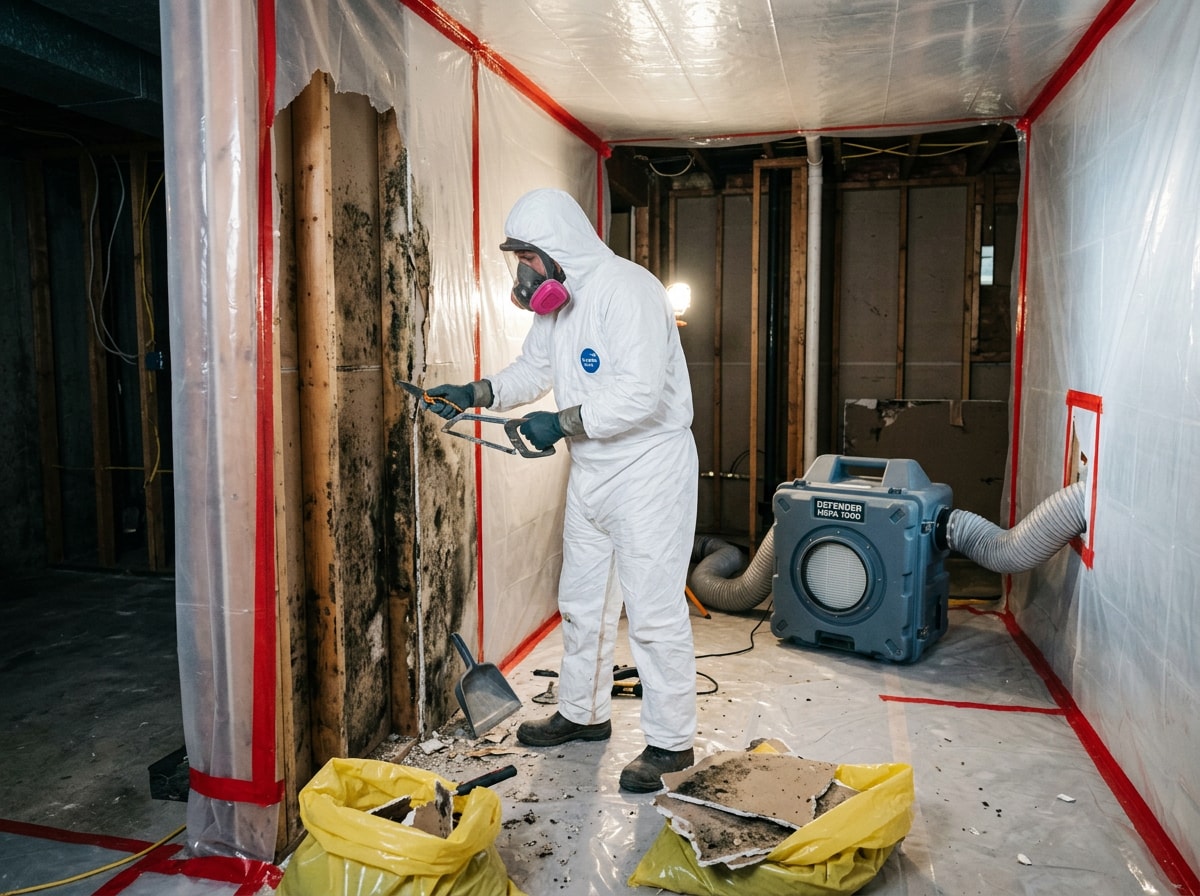
Effective mold remediation starts with identifying the moisture source, not just the mold itself, since treating visible growth without fixing the underlying water problem guarantees recurrence. Containment comes next: technicians seal off the work area and use negative air pressure to keep spores from spreading into unaffected rooms during soot removal and demolition. HEPA filtration air scrubbers then capture airborne particulates that standard shop vacuums cannot.
Industry mold remediation work in Texas follows the ANSI/IICRC S520 standard, which describes the procedures to be followed and the precautions to be taken when performing mold remediation in residential, commercial, and institutional buildings . A contractor citing this standard is working from a documented protocol, not guesswork.
Explore our mold remediation services or request a moisture control assessment if you suspect a slow leak behind a wall.
Certified Mold Removal and Prevention
Certified mold removal relies on EPA-approved treatment products designed to address spores at the source rather than just bleaching surface discoloration, which often leaves the problem intact underneath.
Prevention afterward matters just as much as removal. Practical steps include:
- Fixing the moisture source permanently.
- Running dehumidifiers in historically damp rooms.
- Scheduling an HVAC inspection to check for condensation buildup in ductwork, a frequent and often-overlooked mold source in older Dallas homes.
Our mold prevention and mold inspection services cover both steps as a package rather than treating prevention as an afterthought.
Texas Mold License Rules Most Homeowners Don't Know About
Texas regulates mold work more strictly than federal guidance alone. The EPA's general guidance for schools and commercial buildings sets its small-scale threshold at 10 square feet, but a license holder must notify TDLR of a mold remediation project at least five days before it is to begin, though there is no notification requirement for projects with mold that contaminates less than 25 contiguous square feet .
That gap matters when you're hiring a contractor. Texas also builds in a conflict-of-interest rule that most national guides never mention: a person may hold licenses, but may not do both jobs on the same project , meaning the same company generally cannot both assess your mold and perform the remediation on larger jobs.
| Contamination Size | Federal (EPA) Guidance | Texas (TDLR) Requirement |
|---|---|---|
| Under 10 sq ft | Homeowner can typically clean it up with basic PPE | No state license required for the work |
| 10–25 sq ft | Professional remediation recommended | License required for paid work; no 5-day TDLR notice needed |
| Over 25 sq ft | Professional remediation required | TDLR license required; 5-day advance notice to TDLR required |
Always ask for a contractor's TDLR license number before signing a scope of work. Contact our team if you want help verifying credentials on a quote you've already received.
Why Choose Spotless Restoration USA
Three things separate a reliable restoration partner from a crew that shows up with a wet vac.
IICRC-certified technicians follow documented, industry-standard protocols instead of guesswork, which matters for both insurance approval and actual results. 24/7 emergency response means a crew can start mitigation within hours, often the difference between a manageable repair and a full gut renovation. Insurance claims assistance takes the paperwork burden off the homeowner at a time when they already have enough to manage.
Coverage across Dallas neighborhoods, Lakewood, Uptown, Downtown, Oak Cliff, and the surrounding suburbs, means a technician can typically reach an active loss quickly rather than making a family wait through a multi-hour drive. We also serve the wider Dallas-Fort Worth Metro area, including Fort Worth, Arlington, Plano, and Irving.
If your loss also involves standing water beyond what firefighting crews left behind, our structural drying services run on the same timeline as fire cleanup rather than as a separate call. For a broader look at how remediation fits into a rebuild, see our guide on what remediation actually means in construction{{SITE_URL}}/blog/what-is-remediation-in-construction-dallas-tx).
You can see examples of completed jobs on our projects page, or visit our homepage for a full service overview. Get a free consultation and a crew can typically assess the damage within hours of your call.
FAQ
What should I do immediately after a house fire?
Do not re-enter the property until fire officials confirm it's structurally safe. Hidden damage to flooring and framing can make areas collapse without warning. Once it's safe, document everything with photos for your insurance claim, and arrange professional drying within 24 to 48 hours to head off secondary mold growth.
How long does fire damage restoration take?
It depends on scope. A single contained room typically takes one to two weeks from assessment to completion. Major structural fire damage affecting multiple rooms, framing, or the roof can take six weeks to several months, particularly when full reconstruction is involved.
How long does mold remediation take?
Most standard mold remediation jobs take one to five days once containment and removal begin. Jobs involving structural repairs, HVAC contamination, or large-area growth beyond a single room can extend well past that window.
What is considered fire damage?
Fire damage covers more than the burned structure itself. It includes soot and smoke contamination on surfaces and contents, lingering smoke odor absorbed into porous materials, and secondary water damage from firefighting efforts. Restoration typically has to address all of these, not just the visibly charred areas.
Does homeowners insurance cover mold caused by a fire?
Most standard policies cover mold damage when it results directly from a covered peril, like water used to extinguish a fire. Coverage usually narrows or excludes mold caused by long-term neglect or a pre-existing leak, so documentation of the timeline matters for the claim.
Do you need a licensed mold contractor in Texas?
Yes, for any paid mold remediation work. Texas requires contractors to hold a license from the Texas Department of Licensing and Regulation, and the assessor on a job generally cannot also be the remediator on the same project.
Do you work with insurance claims adjusters?
Yes, documentation support and direct coordination with adjusters is a standard part of the process. Technicians typically provide detailed damage reports, photos, and moisture readings that adjusters use to process claims faster.