Commercial disaster restoration in Arlington, TX is the process of stabilizing, cleaning, and rebuilding a business property after water, fire, mold, or storm damage shuts it down. For a retailer, warehouse, or office, every closed hour has a dollar value attached to it. This guide breaks down what the process actually involves, what it costs, and how to vet a contractor before you're standing in a flooded sales floor at 2 a.m.
What Counts as a Commercial Disaster?
Most commercial losses in Arlington fall into one of five categories, and each one requires different equipment, certifications, and response timing.
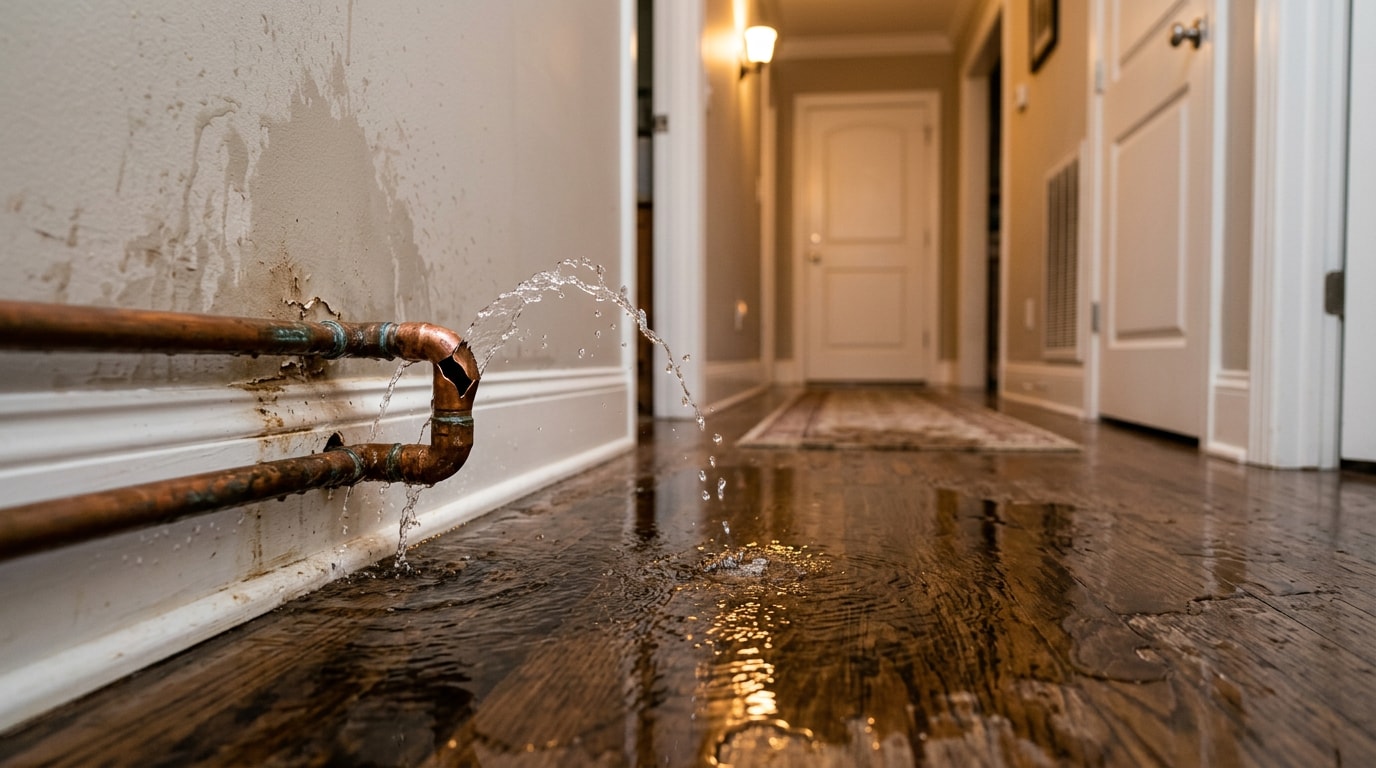
- Water damage - burst pipes, roof leaks, appliance failures, or storm flooding that requires extraction and structural drying
- Fire and smoke damage - structural burns, soot residue, and smoke odor that penetrates HVAC systems and porous materials
- Mold growth - moisture problems left untreated long enough for colonies to establish in drywall, ceiling tile, or ductwork
- Storm and wind damage - roof breaches, window failures, and structural compromise from North Texas weather events
- Biohazard incidents - sewage backups, trauma scenes, or contamination events requiring specialized cleanup protocols
Knowing which category applies to your situation tells you what to expect before a crew even pulls into the parking lot.
How the Restoration Process Works
Commercial restoration follows a fairly consistent sequence, regardless of whether the loss is a single flooded storage room or a multi-floor fire.
- Assessment and documentation - a technician inspects the damage, measures moisture or soot spread, and photographs everything for the insurance file.
- Mitigation and stabilization - board-up, roof tarping, or water extraction to stop the damage from spreading further.
- Demolition - removal of materials that can't be salvaged, like saturated drywall or charred framing.
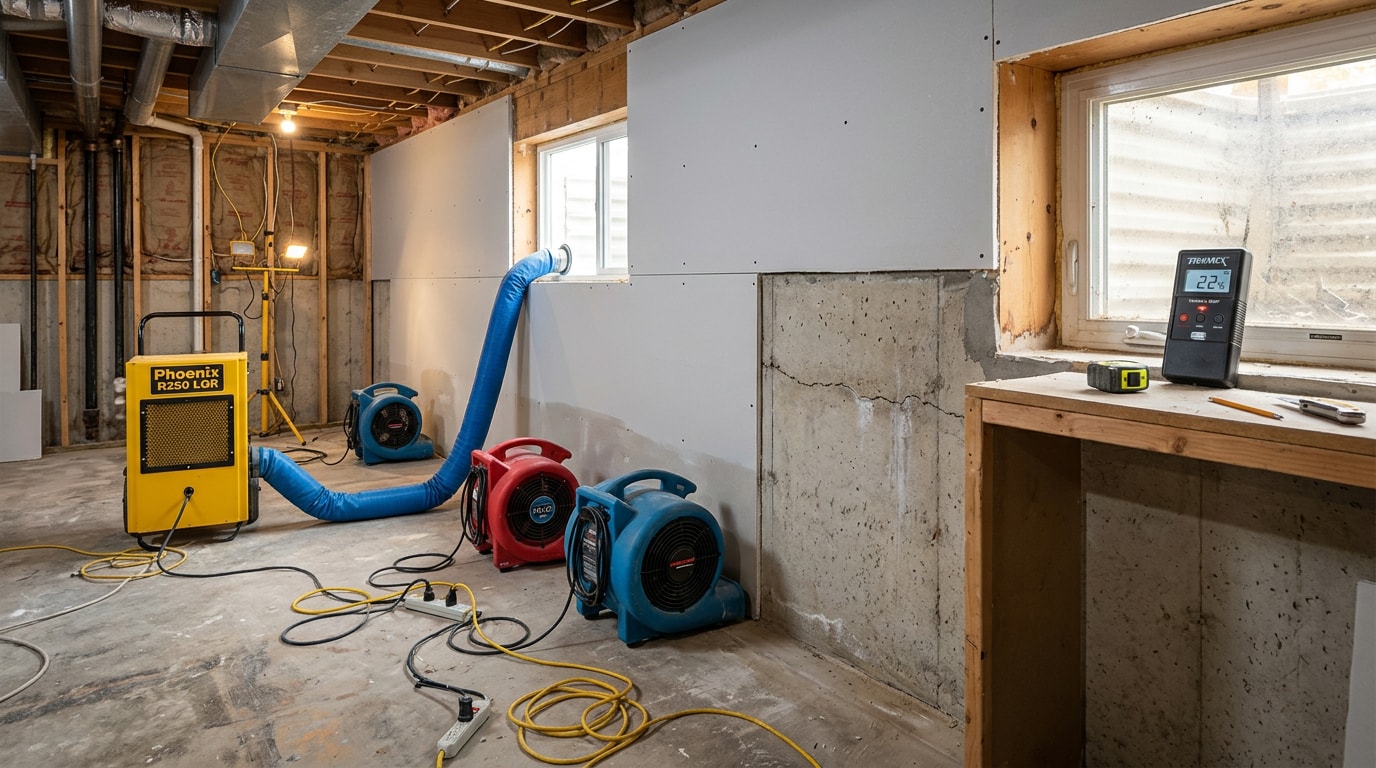
- Drying, cleaning, or deodorizing - industrial dehumidifiers, air movers, or specialized cleaning agents depending on the loss type.
- Reconstruction - rebuilding walls, flooring, and finishes, often coordinated through a general contractor team when the scope goes beyond cosmetic repair.
- Final walkthrough and insurance sign-off - confirming the space meets code and that documentation supports the claim.
In our dispatch experience across the Dallas-Fort Worth Metro, commercial jobs that start mitigation within the first few hours typically finish drying several days faster than jobs where water or smoke damage sat overnight before anyone called for help.
Core Commercial Restoration Services in Arlington, TX
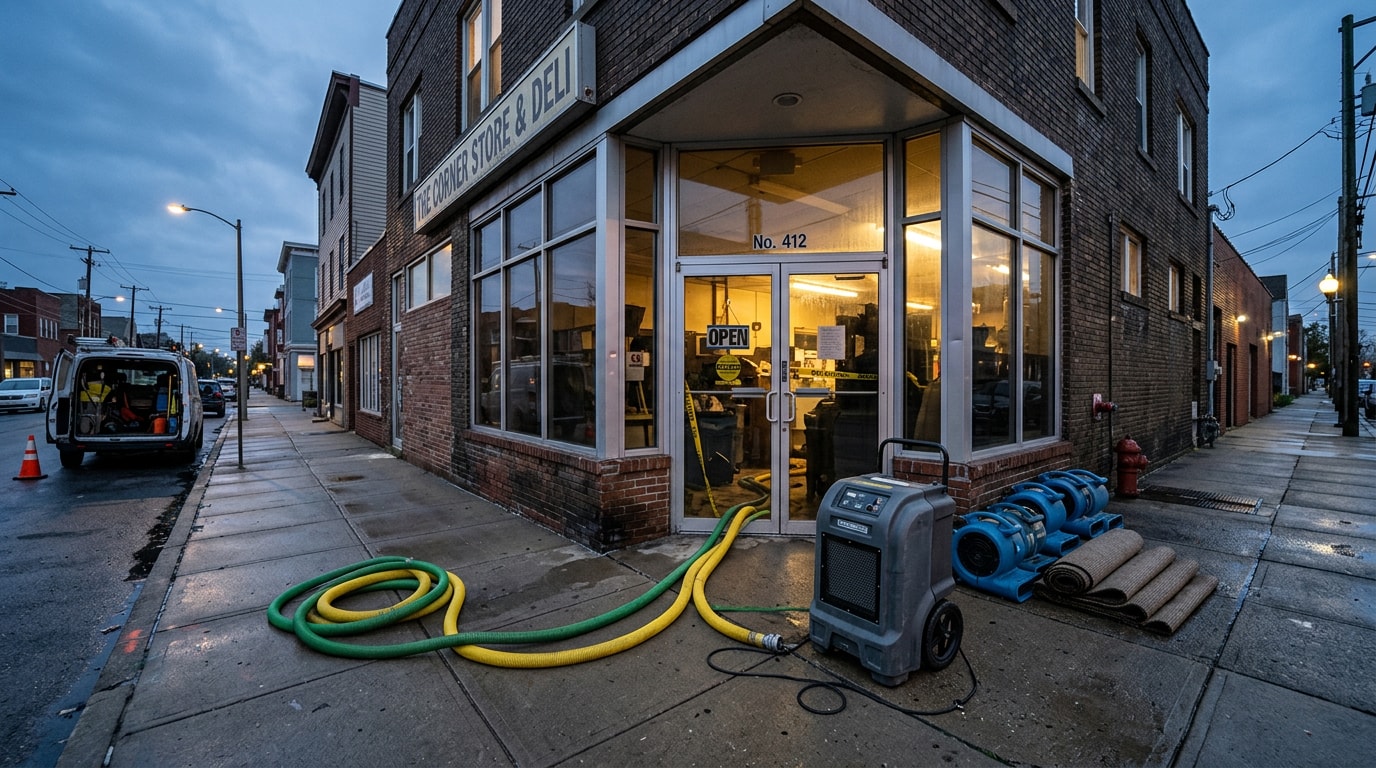
A single provider should be able to carry a loss from the first phone call through the final rebuild, instead of handing you off between separate water, fire, and demolition vendors.
Water Damage and Flood Response
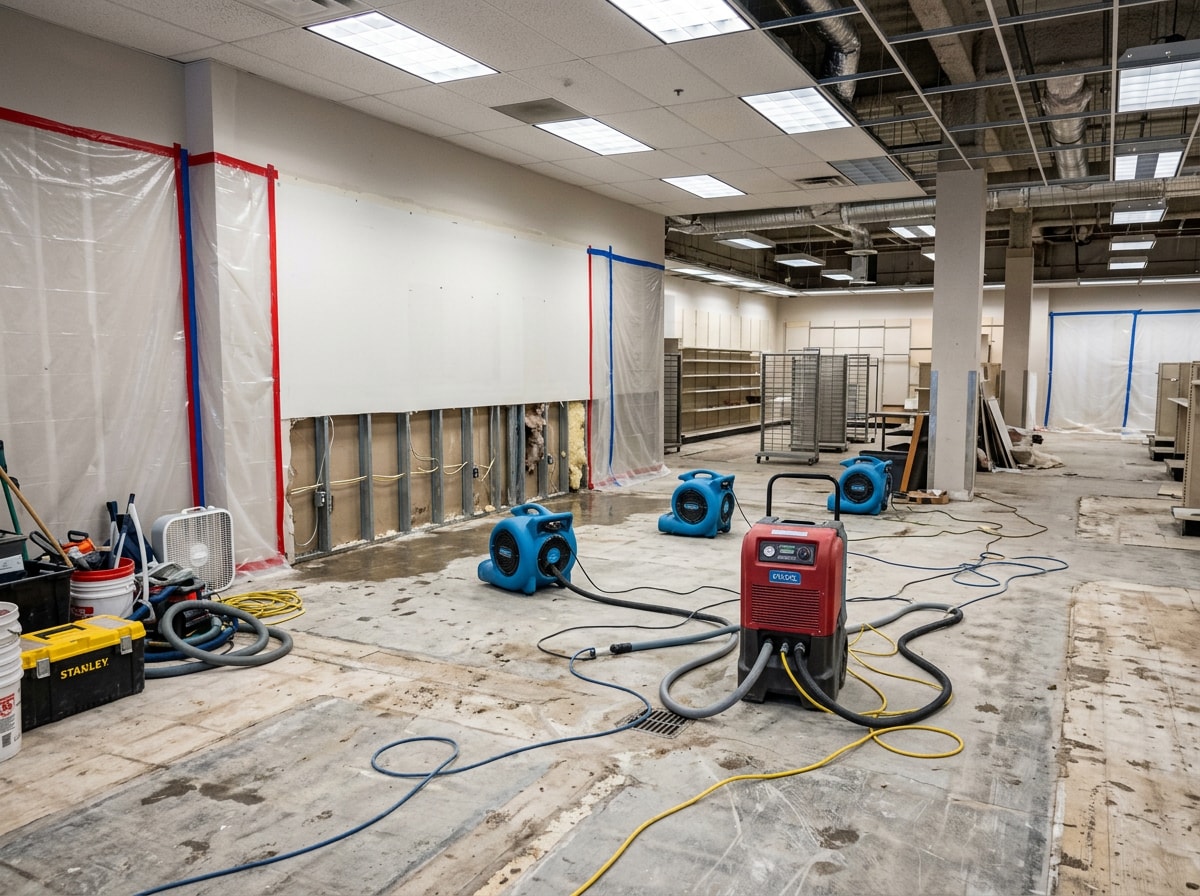
Fast extraction limits how far moisture travels into subfloors, drywall, and electrical systems. Emergency water removal crews should be able to mobilize within hours, since drying windows are time-sensitive. A same-day water damage inspection also documents the loss category and class, which matters for how your claim gets processed. For larger flooding events, flood damage repair covers everything from extraction through final flooring and trim work.
Fire, Smoke, and Soot Cleanup
Commercial fire damage restoration starts with board-up and tarping to stop secondary water or weather intrusion, then moves into smoke damage cleanup and soot removal from walls, contents, and HVAC ductwork. Soot in ductwork is easy to miss, but it keeps affecting indoor air quality long after the visible damage is gone. Nationally, industrial and manufacturing property fires alone cause an estimated $1.5 billion a year in direct property damage, which is part of why insurers scrutinize commercial fire claims so closely. Once the structure is stable, fire damage reconstruction rebuilds framing, roofing, and finishes to code.
Mold Remediation for Commercial Buildings
Mold is a liability problem as much as a physical one. Left unaddressed, it can trigger health and safety code violations on top of the repair cost. In Arlington's humid climate, a commercial HVAC system that stays wet after a water event can develop visible colonies within 24 to 48 hours, which is why the EPA's guidance on mold remediation recommends drying wet materials within that same 48-hour window to prevent growth from starting in the first place. Commercial mold remediation addresses active growth, while mold prevention strategies focus on keeping moisture under control after the repair is done.
Storm and Structural Repairs
Roof breaches, broken windows, and wind-driven water intrusion all fall under storm response. These jobs often blend mitigation with full general contracting work, since a compromised roof or wall assembly needs structural repair, not just cleanup.
Protecting Business Continuity During Recovery
A disaster brings problems that go beyond the physical repair: lost revenue, tenant notifications, and the risk that customers notice a prolonged closure and go elsewhere.
A recovery plan should scale to the business, whether it's a single storefront or a multi-tenant industrial complex. The priority order usually looks like this:
- Life safety and code compliance first
- Critical systems (power, water, HVAC) restored next
- Inventory and contents protected throughout
- Cosmetic repairs and finish work last
Property managers juggling multiple tenants often find this sequencing is what separates a one-week inconvenience from a months-long vacancy problem.
What Commercial Restoration Costs and How Long It Takes
Costs and timelines vary widely by damage type, square footage, and how quickly mitigation started. These are general industry ranges, not a quote, since every loss needs an on-site assessment for accurate pricing.
| Damage Type | Typical Timeline | General Cost Range* |
|---|---|---|
| Contained water loss (single room) | 3-5 days | $1,500 - $8,000 |
| Multi-room flood or burst pipe | 1-3 weeks | $8,000 - $40,000 |
| Localized fire or smoke damage | 2-6 weeks | $10,000 - $60,000 |
| Major structural fire or storm loss | 2-6 months | $75,000+ |
| Commercial mold remediation | 3-10 days | $3,000 - $25,000 |
*Ranges reflect general industry patterns and will shift based on scope, materials, and insurance coverage.
Insurance approval, not the physical labor, is usually what slows a project down the most. A contractor experienced in commercial claims can shorten that gap considerably.
How to Vet a Commercial Disaster Restoration Company
Before signing with anyone, run through a short checklist:
- IICRC certification - confirm the crew holds current certifications under standards like the ANSI/IICRC S500 for water damage and S520 for mold, for the specific damage type you have.
- Documented response time - ask for a written commitment on arrival windows, not a vague "as soon as possible."
- Commercial insurance claims experience - a company that bills insurers directly and understands commercial policy language saves weeks of back-and-forth.
- Local crew availability - a locally based team can often arrive faster than a national brand dispatching from another metro, though both models can work depending on the scope of the loss.
- One point of contact - disaster planning, mitigation, restoration, and reconstruction should run through a single project manager, not separate vendors you have to coordinate yourself.
Running a prospective contractor through these five points, instead of picking the first search result, is one of the more reliable ways to avoid problems mid-project. Spotless Restoration USA ({{SITE_URL}}/) serves Arlington and the wider Dallas Fort Worth Metro, and our Arlington, TX service page lists direct coverage details for the area. For a closer look at what local vetting should involve, our Arlington restoration and cleaning services guide covers additional questions to ask before hiring.
If you're dealing with active damage right now, don't wait on quotes from three different companies. Request a consultation and get an assessment started the same day.
This guide was reviewed by the Spotless Restoration USA commercial response team, IICRC-certified technicians who handle water, fire, mold, and storm losses across Arlington and the Dallas-Fort Worth Metro. Questions about a specific property? Contact us directly.
FAQ
Do restoration companies handle both small and large commercial restoration projects?
Yes. A capable team should have the equipment and staffing to handle a single retail unit or a sprawling industrial facility, scaling crew size to match the loss.
How long does commercial restoration take?
Anywhere from a few days for a small, contained loss to several months for major structural damage. Insurance approval timelines, not the physical work, are usually the bottleneck.
How much does commercial restoration cost?
Cost depends on the type of damage, the square footage affected, and the scope of repairs needed. See the cost table above for general ranges, but an on-site assessment is the only way to get an accurate number for your property.
How do I choose the right commercial disaster restoration company?
Verify IICRC certification, confirm a documented response-time commitment, and ask about direct commercial-insurance billing experience before you commit to a provider.
Does insurance cover commercial disaster restoration?
Most commercial property policies cover sudden, accidental damage like burst pipes, fire, and storm events, but coverage details vary by policy. A restoration company with commercial claims experience can help document the loss in a way your adjuster expects.
What's the difference between commercial and residential restoration?
Commercial jobs account for things residential losses usually don't: tenant notifications, inventory loss, equipment downtime, and code compliance across larger or multi-use spaces. The equipment and crew size scale up accordingly.